Salad VS Spaghetti
A detailed nutritional comparison
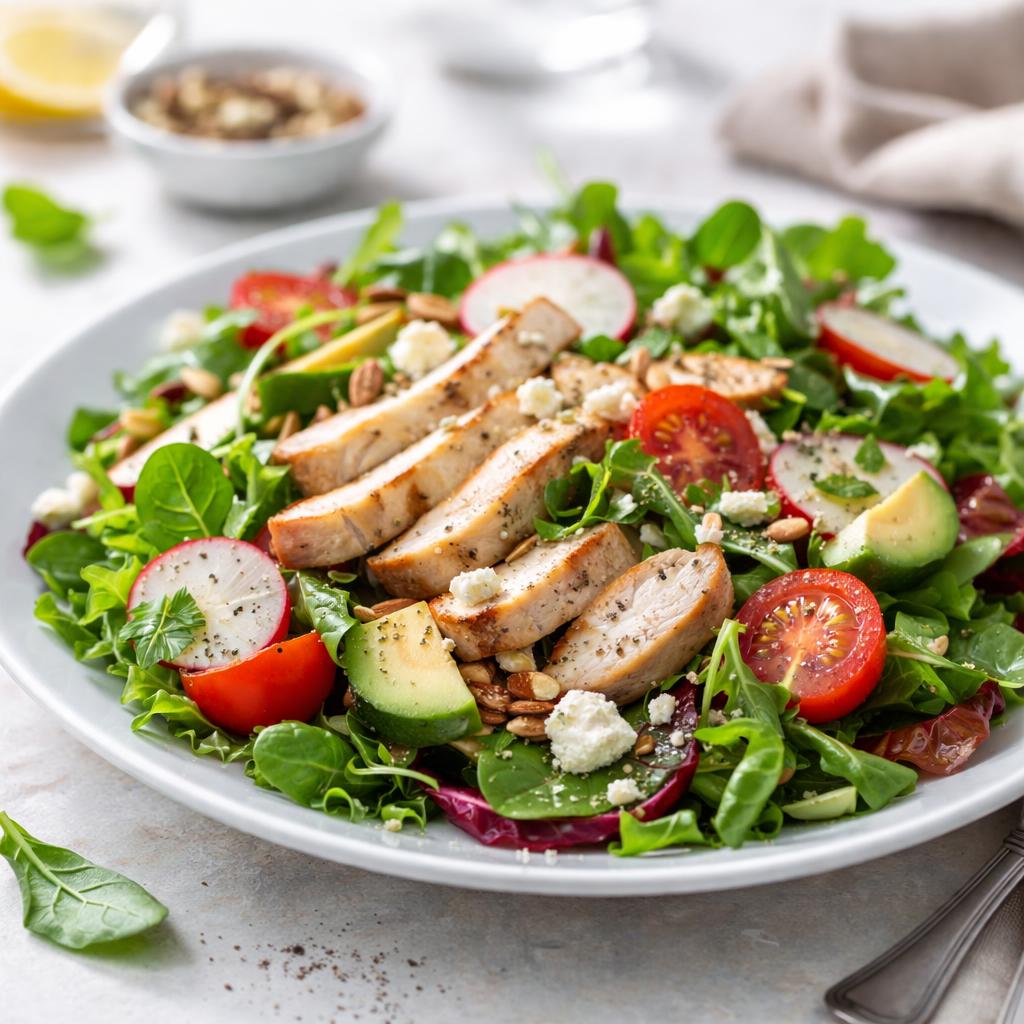
Salad
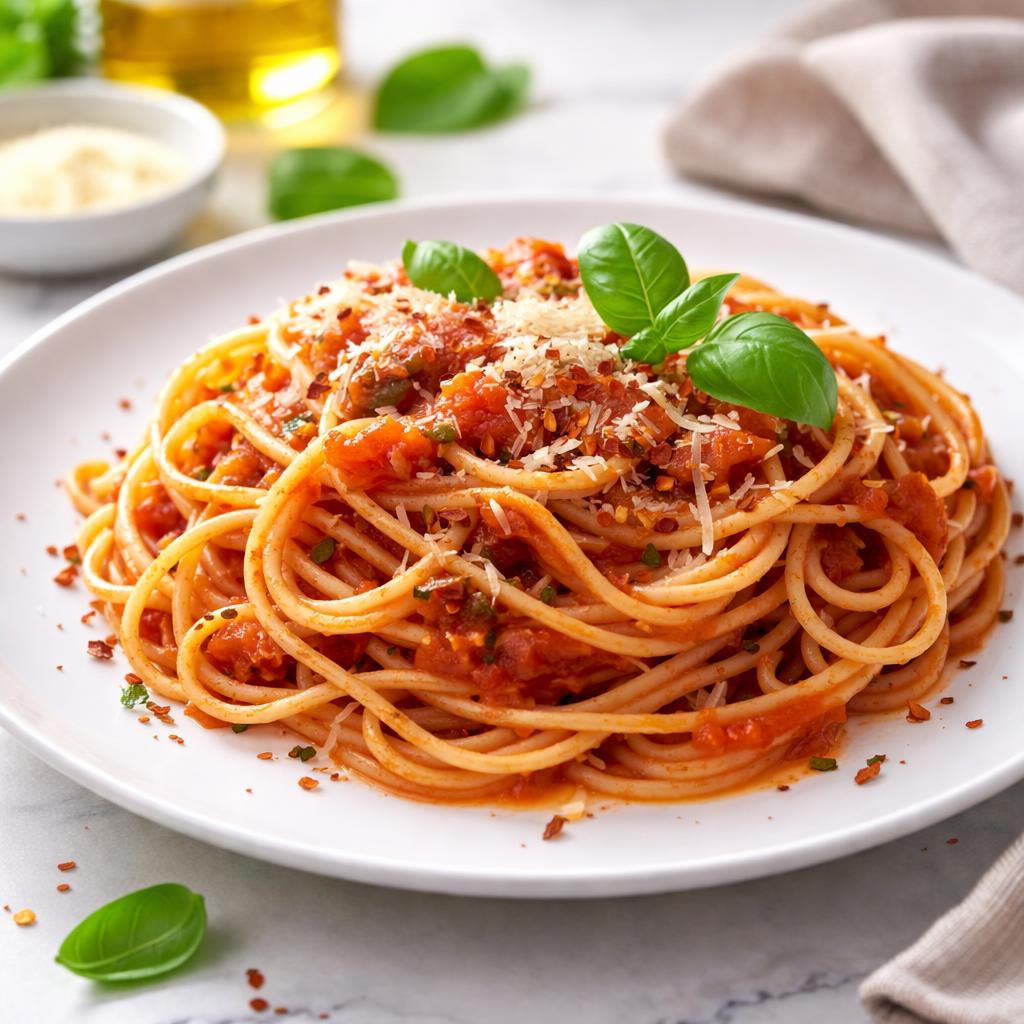
Spaghetti
🎯 Quick Verdict
Salad and spaghetti differ greatly in nutritional profiles. Salad is lower in calories and carbohydrates, making it ideal for weight management, while spaghetti offers more protein and is a better source of sustained energy due to its carbohydrate content. Salad shines for its vitamins and fiber, while spaghetti works as a filling meal option, especially for active individuals requiring more energy.

Smart Nutrition Tracking with SnapCalorie

📊 Nutritional Comparison
Macronutrients
| Nutrient | Food 1 | Food 2 | Winner |
|---|---|---|---|
| Calories | 120 | 220 | ✓ |
| Protein | 3g | 8g | ✓ |
| Carbs | 15g | 43g | ✓ |
| Fat | 7g | 3g | ✓ |
| Fiber | 4g | 2g | ✓ |
Vitamins & Minerals
| Nutrient | Food 1 | Food 2 | Winner |
|---|---|---|---|
| Vitamin C | 25mg | 1mg | ✓ |
| Calcium | 50mg | 10mg | ✓ |
| Iron | 1mg | 1.5mg | ✓ |
🏆 Category Winners
Protein
Spaghetti has more than double the protein compared to salad.
Fiber
Salad provides twice the fiber content per serving.
Calories
Salad contains nearly half the calories of spaghetti.
Vitamins
Salad is richer in key vitamins like vitamin C and calcium.
🥗 Diet Compatibility
Keto
Food 1: Compatible
Food 2: Not Compatible
Salad is low-carb, while spaghetti is high-carb.
Vegan
Food 1: Compatible
Food 2: Compatible
Both foods are plant-based by nature.
Gluten Free
Food 1: Compatible
Food 2: Not Compatible
Spaghetti often contains gluten unless specified as gluten-free pasta.
Paleo
Food 1: Compatible
Food 2: Not Compatible
Salad fits paleo guidelines, while spaghetti does not due to grain content.
Low-Carb
Food 1: Compatible
Food 2: Not Compatible
Salad is low-carb with just 15g per serving, compared to 43g in spaghetti.
💪 Health Benefits Comparison
Food 1 Benefits
- Rich in fiber for digestive health
- High in vitamin C for immune support
- Low calorie, ideal for weight management
- Supplies healthy fats when paired with olive oil or avocado
Food 2 Benefits
- Provides sustained energy from complex carbohydrates
- Good protein source for muscle maintenance
- Contains iron for improved oxygen transport in the body
- Filling and satisfying, useful for active individuals
✅ The Bottom Line
Salad is the better option for those looking to manage their weight, increase fiber intake, or follow low-carb diets. On the other hand, spaghetti is a good choice when you need a filling, energy-dense meal, especially for athletes or individuals with higher calorie needs.
Choose Food 1 for: Weight loss, low-carb diets, fiber boost
Choose Food 2 for: Energy, active lifestyles, nutrient-dense meal options


