Salad VS Scallops
A detailed nutritional comparison
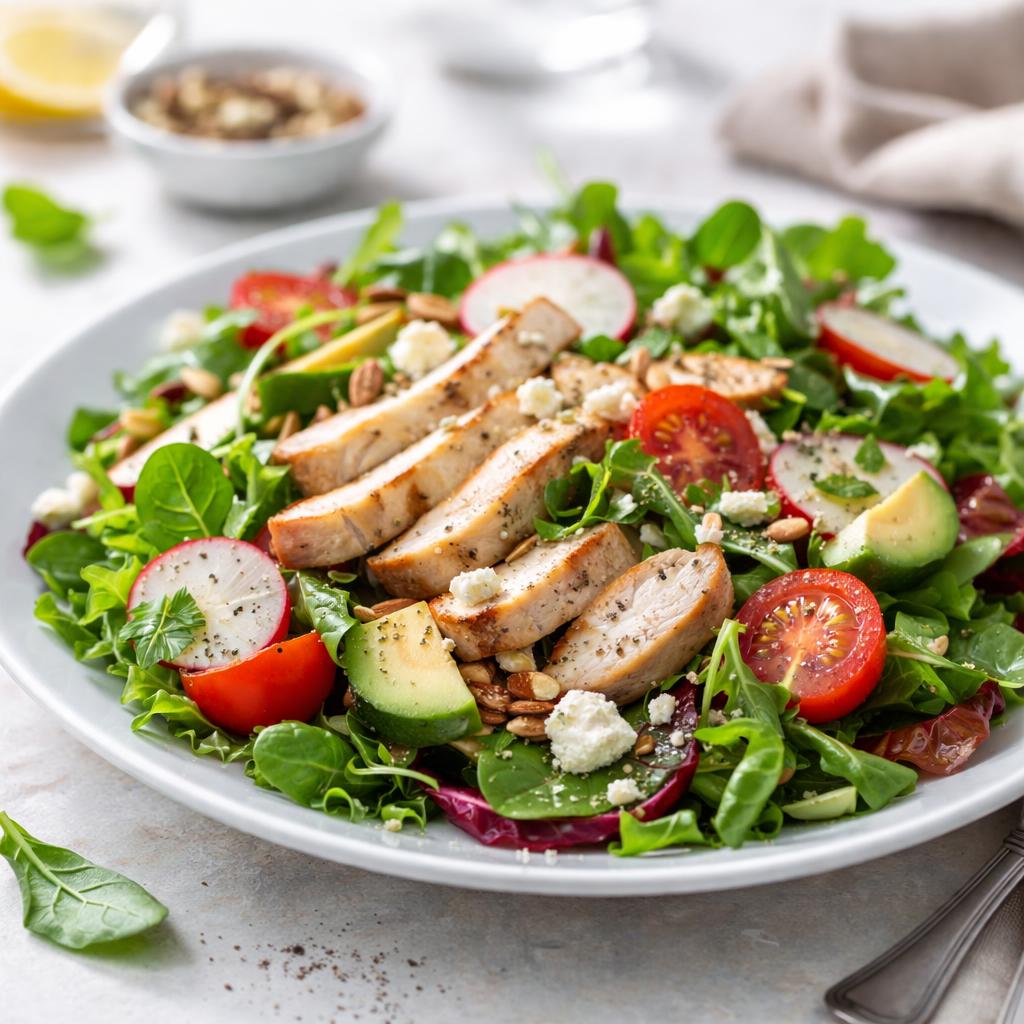
Salad
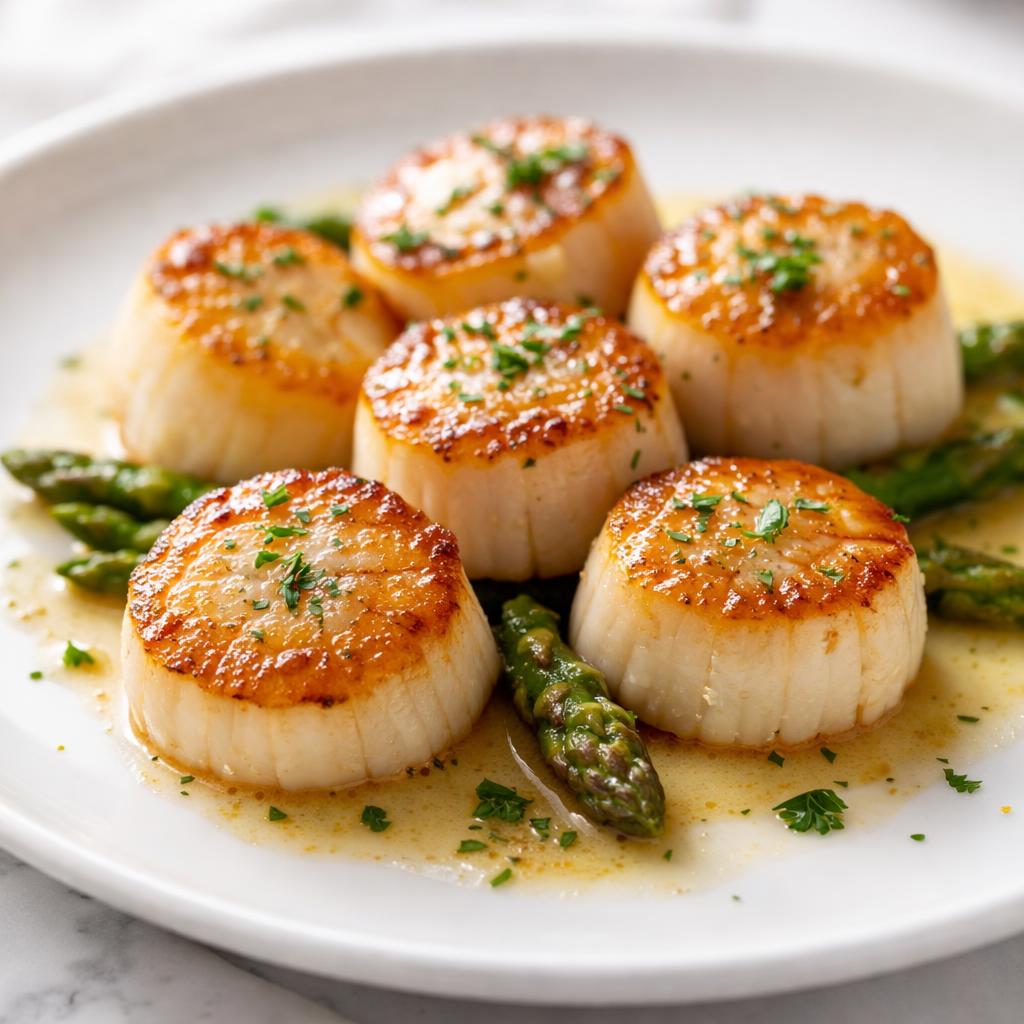
Scallops
🎯 Quick Verdict
Salad offers significantly more fiber and fewer calories, making it ideal for weight loss and digestive health. Scallops are rich in protein and provide essential minerals, making them excellent for muscle recovery and overall nutrient density. Both foods can complement health-conscious diets depending on specific goals.

Smart Nutrition Tracking with SnapCalorie

📊 Nutritional Comparison
Macronutrients
| Nutrient | Food 1 | Food 2 | Winner |
|---|---|---|---|
| Calories | 50 | 120 | ✓ |
| Protein | 2g | 20g | ✓ |
| Carbs | 10g | 2g | ✓ |
| Fat | 0.5g | 1g | ✓ |
| Fiber | 3g | 0g | ✓ |
Vitamins & Minerals
| Nutrient | Food 1 | Food 2 | Winner |
|---|---|---|---|
| Vitamin C | 35mg | 0mg | ✓ |
| Vitamin B12 | 0mcg | 1.4mcg | ✓ |
| Calcium | 40mg | 20mg | ✓ |
| Iron | 0.8mg | 0.3mg | ✓ |
🏆 Category Winners
Protein
Scallops have 10x more protein per serving, ideal for building and maintaining muscle.
Fiber
Salad provides 3g fiber per serving, helping with digestion and satiety.
Calories
Salad is very low-calorie, at just 50 calories per serving.
🥗 Diet Compatibility
Keto
Food 1: Compatible
Food 2: Compatible
Both foods are low in carbs and suitable for ketogenic diets.
Vegan
Food 1: Compatible
Food 2: Not Compatible
Salad is fully plant-based, while scallops are an animal product.
Gluten Free
Food 1: Compatible
Food 2: Compatible
Neither food contains gluten.
Paleo
Food 1: Compatible
Food 2: Compatible
Both fit into paleo guidelines as whole, unprocessed foods.
Low Carb
Food 1: Compatible
Food 2: Compatible
Scallops are extremely low-carb (2g) and salad is also light on carbs (10g).
💪 Health Benefits Comparison
Food 1 Benefits
- High in fiber for digestive health
- Rich in Vitamin C for immune support
- Very low in calories, aiding weight management
- Packed with hydration and phytonutrients for overall wellness
Food 2 Benefits
- Excellent source of high-quality protein for muscle recovery
- Rich in Vitamin B12 for energy metabolism
- Contains selenium for strong immunity and antioxidant support
- Low-calorie option with essential minerals like phosphorus
✅ The Bottom Line
Salad is best if you are prioritizing weight loss, digestion, and plant-based nutrition. Scallops are ideal for boosting protein intake, muscle recovery, and nutrient density. Both can work together in a balanced diet depending on specific health goals.
Choose Food 1 for: Weight loss, digestive health, plant-based diets
Choose Food 2 for: Muscle recovery, high-protein diets, energy metabolism


