Salad VS Salami
A detailed nutritional comparison
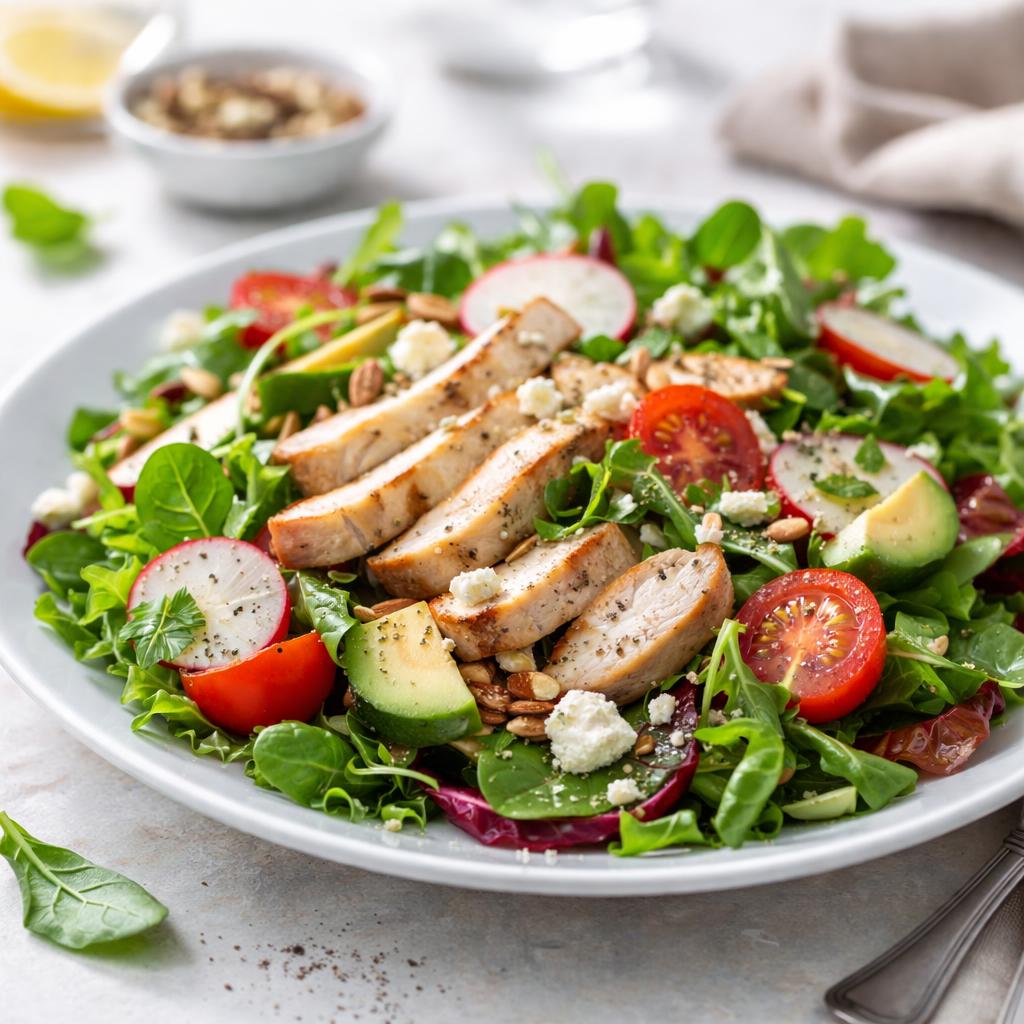
Salad
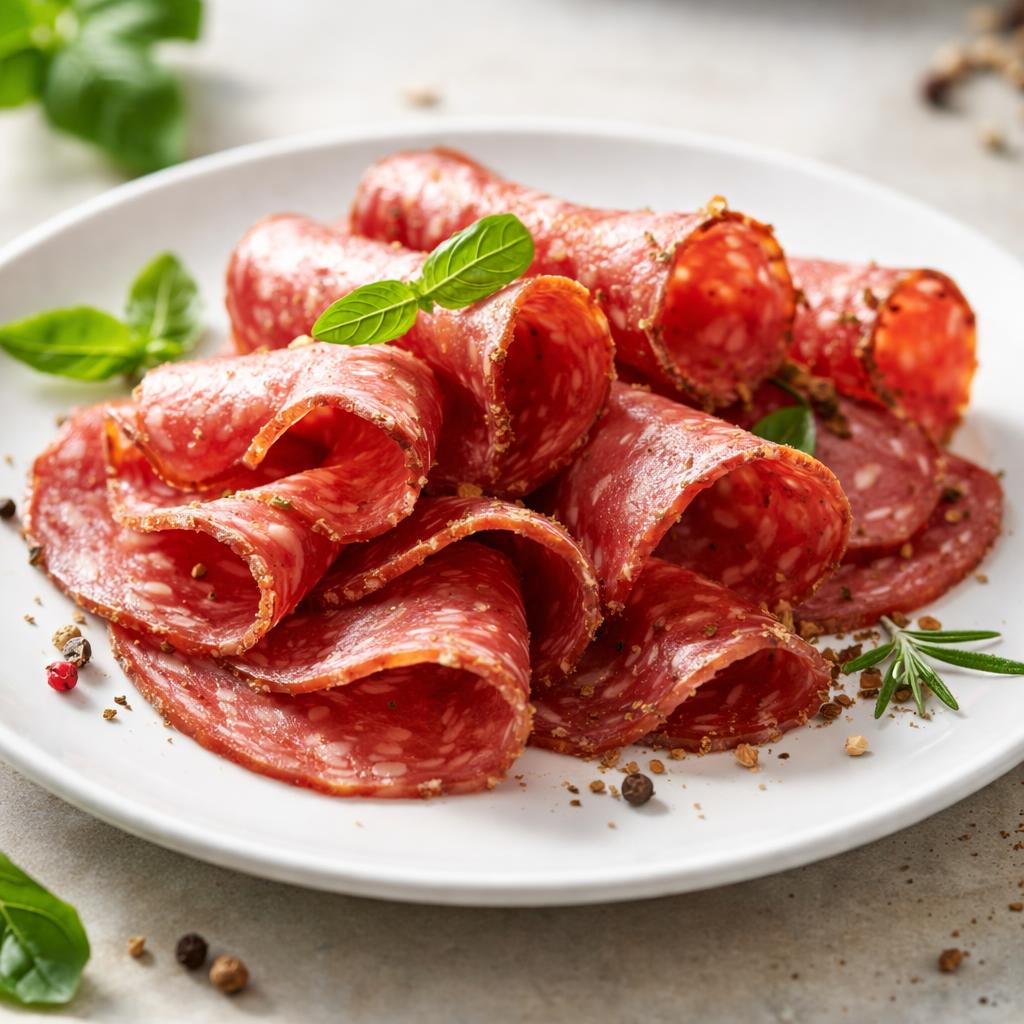
Salami
🎯 Quick Verdict
Salad is low in calories, provides significant fiber, and is packed with vitamins, making it an excellent choice for weight management and overall health. Salami is high in protein and fat, providing sustained energy and satiety, but it is calorie-dense compared to salad. Both have unique benefits depending on dietary goals and preferences.

Smart Nutrition Tracking with SnapCalorie

📊 Nutritional Comparison
Macronutrients
| Nutrient | Food 1 | Food 2 | Winner |
|---|---|---|---|
| Calories | 50 | 250 | ✓ |
| Protein | 2g | 15g | ✓ |
| Carbs | 8g | 1g | ✓ |
| Fat | 1g | 21g | ✓ |
| Fiber | 3g | 0g | ✓ |
Vitamins & Minerals
| Nutrient | Food 1 | Food 2 | Winner |
|---|---|---|---|
| Vitamin A | 140mcg | 10mcg | ✓ |
| Vitamin C | 15mg | 0mg | ✓ |
| Iron | 0.8mg | 1.9mg | ✓ |
🏆 Category Winners
Protein
Salami contains 650% more protein than salad per serving.
Fiber
Salad provides fiber essential for digestion, while salami has none.
Calories
Salad has one-fifth the calories of salami per serving, ideal for weight management.
Vitamins
Salad is rich in essential vitamins like Vitamin A and C, while salami offers limited vitamin content.
🥗 Diet Compatibility
Keto
Food 1: Not Compatible
Food 2: Compatible
Salami is low-carb with high fat, making it ideal for keto diets.
Vegan
Food 1: Compatible
Food 2: Not Compatible
Salad is plant-based, while salami contains animal products.
Gluten Free
Food 1: Compatible
Food 2: Compatible
Neither salad nor salami typically contains gluten.
Paleo
Food 1: Compatible
Food 2: Compatible
Both foods are paleo-compliant if no processed additives are involved.
Low-Carb
Food 1: Partially Compatible
Food 2: Compatible
Salami is low in carbs (1g), whereas salad contains moderate carbs (8g).
💪 Health Benefits Comparison
Food 1 Benefits
- Low in calories, great for weight loss
- Rich in dietary fiber for gut health
- High in antioxidants like Vitamin A and C for immune support
Food 2 Benefits
- High protein content for muscle repair and satiety
- Contains healthy fats to provide energy
- Rich in iron for improving oxygen transport in the blood
✅ The Bottom Line
Choose salad for a low-calorie, nutrient-rich option suited for weight management and boosting overall health. Opt for salami when looking for a protein-dense snack, sustained energy, or satisfying meat-based foods. Be mindful of salami’s higher calories and fat content if managing weight.
Choose Food 1 for: Weight loss, digestion, nutrient boost
Choose Food 2 for: High-protein diets, energy boost, meat lovers


