Salad VS Roasted Vegetables
A detailed nutritional comparison
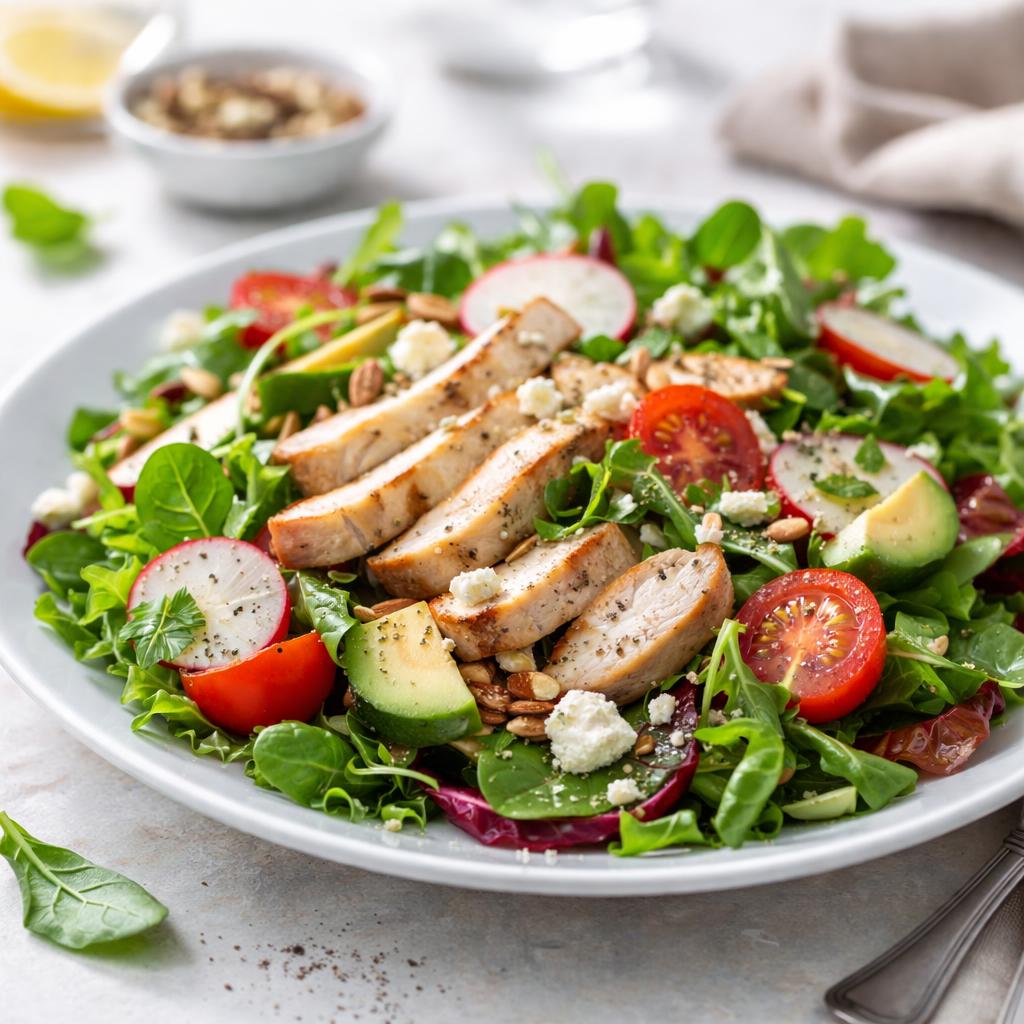
Salad
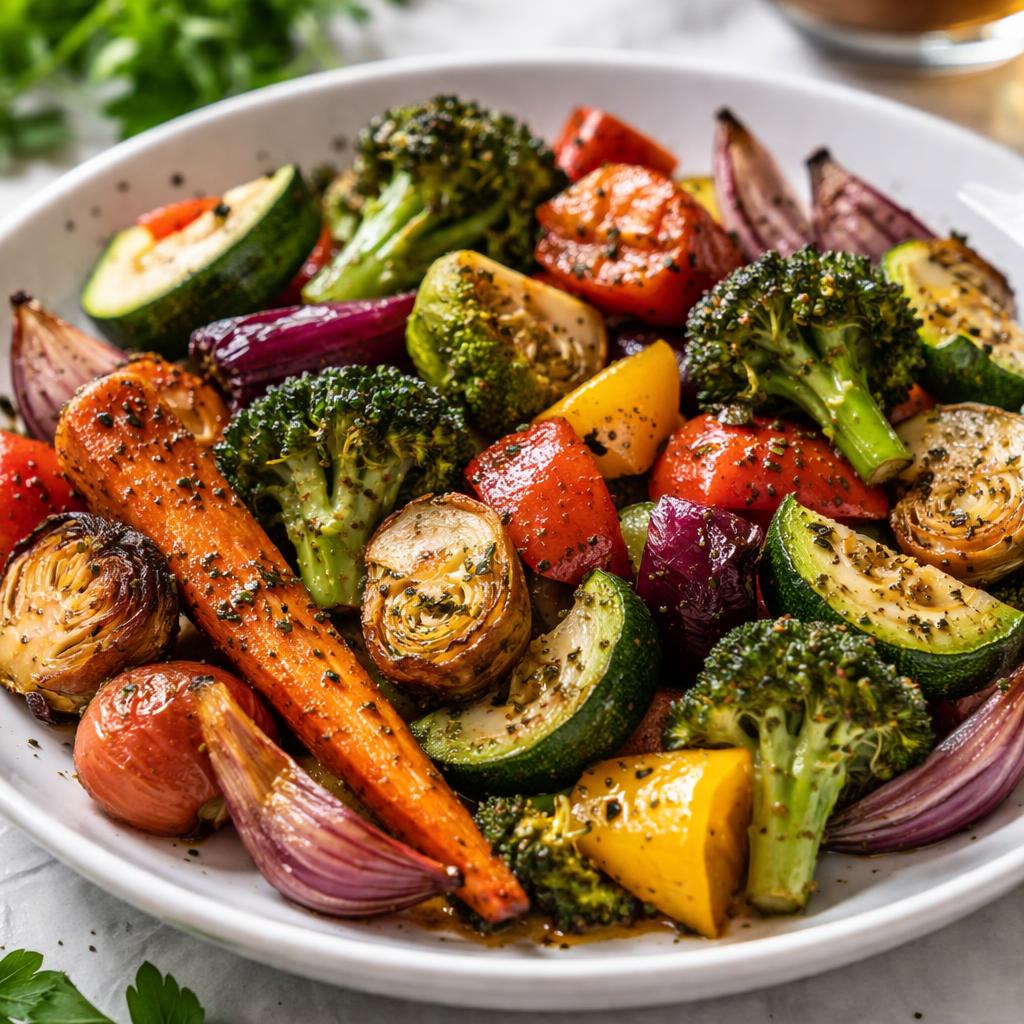
Roasted Vegetables
🎯 Quick Verdict
Salad generally has lower calories and higher fiber, making it ideal for weight loss and digestive health. Roasted vegetables contain more protein and a diverse range of vitamins due to the variety of cooked vegetables, making them better suited for nutrient-dense meals or sustaining energy levels.

Smart Nutrition Tracking with SnapCalorie

📊 Nutritional Comparison
Macronutrients
| Nutrient | Food 1 | Food 2 | Winner |
|---|---|---|---|
| Calories | 50 | 120 | ✓ |
| Protein | 2g | 4g | ✓ |
| Carbs | 10g | 15g | ✓ |
| Fat | 1g | 4g | ✓ |
| Fiber | 4g | 3g | ✓ |
Vitamins & Minerals
| Nutrient | Food 1 | Food 2 | Winner |
|---|---|---|---|
| Vitamin A | 250mcg | 500mcg | ✓ |
| Vitamin C | 20mg | 10mg | ✓ |
| Iron | 1mg | 2mg | ✓ |
| Calcium | 30mg | 40mg | ✓ |
🏆 Category Winners
Protein
Roasted vegetables have double the protein due to the inclusion of denser vegetables like beans or peas during roasting.
Fiber
Salad provides more fiber, contributing to better digestive health.
Calories
With only 50 calories per serving, salad is the lower-calorie option.
Vitamins
Roasted vegetables include a wider range of nutrients like more Vitamin A, Iron, and Calcium.
🥗 Diet Compatibility
Keto
Food 1: Compatible
Food 2: Limited Compatibility
Salad is very low-carb (10g per serving), whereas roasted vegetables can have more carbs depending on ingredients.
Vegan
Food 1: Compatible
Food 2: Compatible
Both are plant-based and suitable for a vegan diet.
Gluten Free
Food 1: Compatible
Food 2: Compatible
Neither contains gluten naturally.
Paleo
Food 1: Compatible
Food 2: Compatible
Both align with paleo guidelines when not adding processed dressings or toppings.
Low-Carb
Food 1: Compatible
Food 2: Limited Compatibility
Salad is better for low-carb diets due to its lower carbohydrate content.
💪 Health Benefits Comparison
Food 1 Benefits
- Rich in fiber for better digestion
- Low-calorie option for weight management
- Contains Vitamin C to support immune health
- Great for hydration due to high water content
Food 2 Benefits
- Higher protein helps with muscle recovery
- Rich flavors from roasting support satisfying meal experiences
- Contains Vitamin A for eye health
- Provides diverse minerals like iron and calcium for bone health
✅ The Bottom Line
Choose salad for a low-calorie, high-fiber meal, especially if you're aiming to lose weight or improve digestion. Opt for roasted vegetables when you need a heartier, nutrient-dense option or a satisfying side dish with a variety of vitamins and minerals.
Choose Food 1 for: Weight loss, light meals, hydration
Choose Food 2 for: Nutrient density, sustained energy, post-workout recovery


