Salad VS Risotto
A detailed nutritional comparison
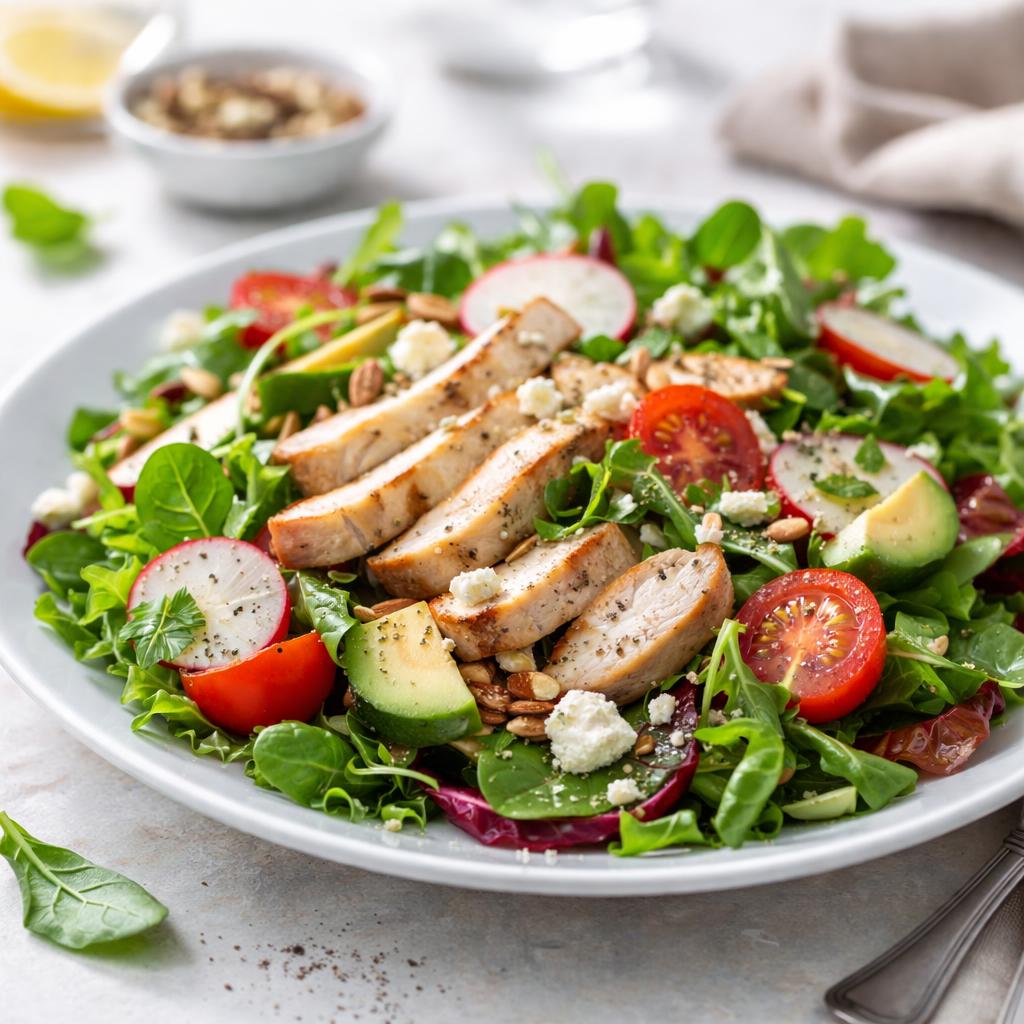
Salad
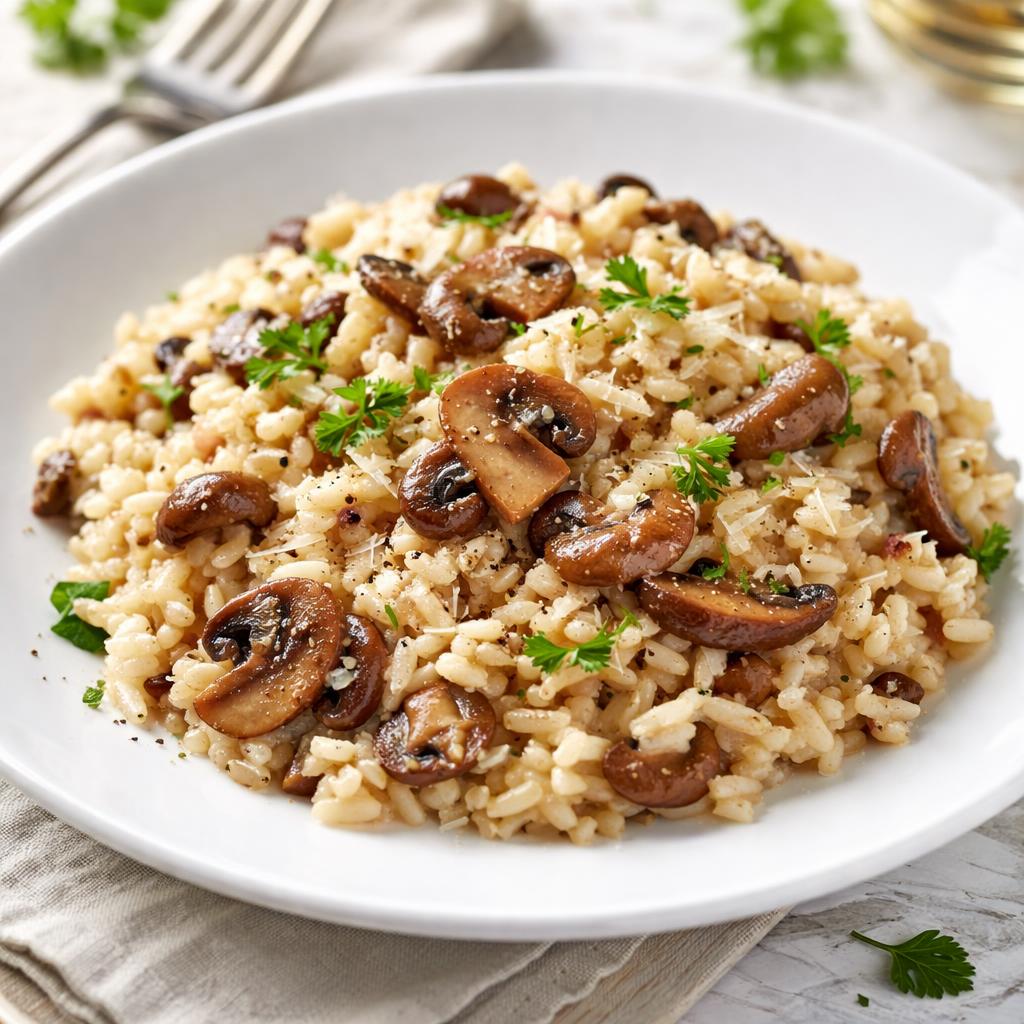
Risotto
🎯 Quick Verdict
Salad is lower in calories and higher in fiber, making it the better choice for weight management and digestive health. Risotto provides more protein and energy, making it suitable for active individuals or as a filling main course. Choose salad for a lighter meal or risotto for more sustained energy needs.

Smart Nutrition Tracking with SnapCalorie

📊 Nutritional Comparison
Macronutrients
| Nutrient | Food 1 | Food 2 | Winner |
|---|---|---|---|
| Calories | 75 | 350 | ✓ |
| Protein | 3g | 7g | ✓ |
| Carbs | 10g | 55g | ✓ |
| Fat | 3g | 12g | ✓ |
| Fiber | 4g | 2g | ✓ |
Vitamins & Minerals
| Nutrient | Food 1 | Food 2 | Winner |
|---|---|---|---|
| Vitamin D | 0mcg | 1mcg | ✓ |
| Calcium | 50mg | 60mg | ✓ |
| Iron | 1mg | 2mg | ✓ |
| Vitamin C | 15mg | 2mg | ✓ |
🏆 Category Winners
Protein
Food2 has over twice as much protein per serving.
Fiber
Food1 provides double the fiber content.
Calories
Food1 is significantly lower in calories (75 vs 350).
Vitamins
Food1 is richer in Vitamin C, while Food2 provides Vitamin D and more minerals.
🥗 Diet Compatibility
Keto
Food 1: Compatible
Food 2: Not Compatible
Food1 is low in carbs (10g per serving).
Vegan
Food 1: Compatible
Food 2: Depends on preparation
Both can be vegan but risotto may include butter or cheese.
Gluten Free
Food 1: Compatible
Food 2: Depends on preparation
Risotto could contain gluten if additives are used, but naturally it can be gluten-free.
Paleo
Food 1: Compatible
Food 2: Not Compatible
Food1 fits paleo criteria while risotto does not (due to grains).
Low-Carb
Food 1: Compatible
Food 2: Not Compatible
Food1 is low-carb while risotto is carb-heavy.
💪 Health Benefits Comparison
Food 1 Benefits
- Low in calories for weight management
- High in fiber to support healthy digestion
- Rich in vitamin C for immune system health
- Provides minimal fat for heart health
Food 2 Benefits
- Provides sustained energy from complex carbs
- Includes moderate protein for muscle maintenance
- Rich in minerals like calcium and iron for bone and blood health
- Contains essential fats for heart and brain support
✅ The Bottom Line
Choose salad for a lighter, nutrient-dense meal option, perfect for weight management and digestive health. Opt for risotto for a heartier, energy-rich dish that provides more protein and sustained energy throughout the day.
Choose Food 1 for: Weight loss, low-carb diets, light meals or side dishes
Choose Food 2 for: Busy individuals requiring energy, protein-rich diets, or main meals


