Salad VS Red Onions
A detailed nutritional comparison
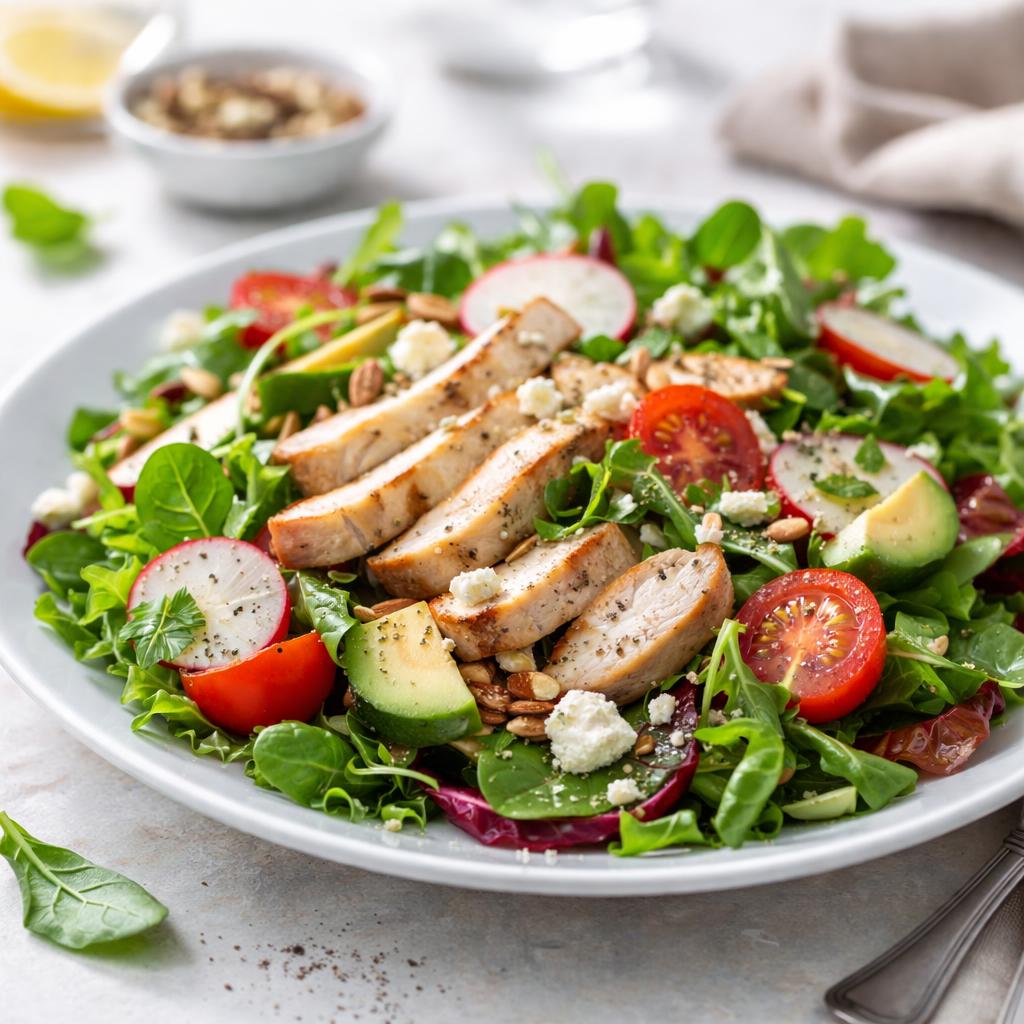
Salad
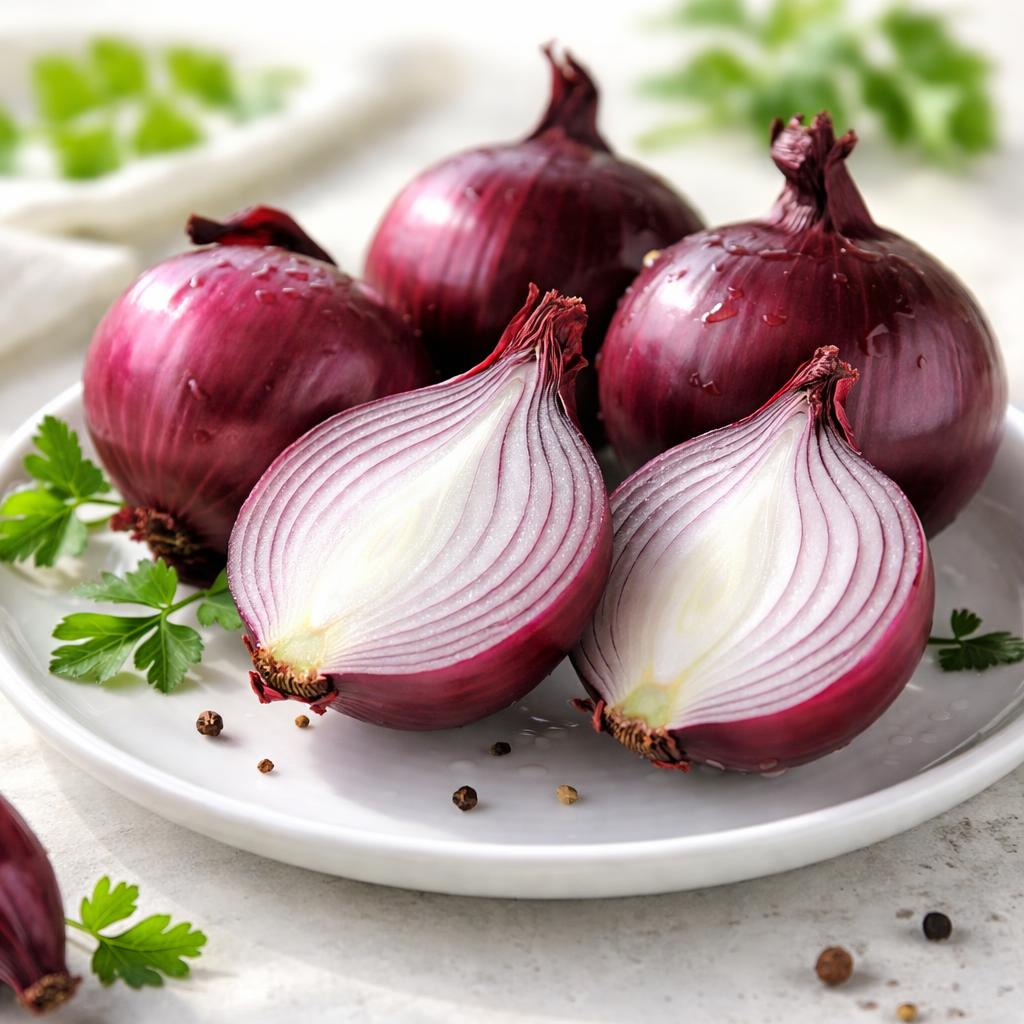
Red Onions
🎯 Quick Verdict
Salad wins overall as it is lower in calories, provides slightly more protein, and is a great source of micronutrients like Vitamin C and Calcium. Red onions shine in fiber content and offer unique antioxidants, making them ideal for heart health and digestion-focused diets. Both are nutrient-rich choices, but they serve different purposes in a healthy diet.

Smart Nutrition Tracking with SnapCalorie

📊 Nutritional Comparison
Macronutrients
| Nutrient | Food 1 | Food 2 | Winner |
|---|---|---|---|
| Calories | 50 (1 cup lettuce & mixed vegetables) | 64 (1 cup chopped) | − |
| Protein | 2g | 1g | − |
| Carbs | 9g | 15g | − |
| Fat | 0g | 0g | − |
| Fiber | 2g | 3g | − |
Vitamins & Minerals
| Nutrient | Food 1 | Food 2 | Winner |
|---|---|---|---|
| Vitamin C | 15mg | 7mg | − |
| Calcium | 40mg | 32mg | − |
| Iron | 1mg | 0.2mg | − |
| Antioxidants | Good source | High source of anthocyanins | − |
🏆 Category Winners
Protein
Salad delivers twice as much protein as red onions.
Fiber
Red onions provide 50% more fiber than salad.
Calories
Salad is lower in calories, making it a lighter option.
Vitamins
Salad contains higher levels of Vitamin C, Calcium, and Iron overall.
🥗 Diet Compatibility
Keto
Food 1: Compatible
Food 2: Moderately Compatible
Salad is lower-carb overall, while red onions have moderate carbs due to natural sugars.
Vegan
Food 1: Compatible
Food 2: Compatible
Both are plant-based and suitable for vegan diets.
Gluten Free
Food 1: Compatible
Food 2: Compatible
Neither food contains gluten.
Paleo
Food 1: Compatible
Food 2: Compatible
Both are unprocessed whole foods.
Low-Carb
Food 1: Compatible
Food 2: Moderately Compatible
Salad is lower in carbs, while red onions contain more natural sugars.
💪 Health Benefits Comparison
Food 1 Benefits
- Low-calorie option for weight management
- Rich in Vitamin C, which supports immunity
- Contains Calcium for bone health
- Good source of iron for energy production
Food 2 Benefits
- High in fiber for better digestion
- Contains anthocyanins, which are powerful antioxidants
- Supports heart health through better cholesterol management
- Provides small amounts of Vitamin C to complement its antioxidant properties
✅ The Bottom Line
Choose salad for a low-calorie, nutrient-dense option that complements weight management, immunity boosting, and overall health. Red onions are ideal for improving fiber intake, supporting digestion, and adding flavor with antioxidants for heart health. Both can be combined in meals for the best benefits.
Choose Food 1 for: Weight management, immune support, energy boosting
Choose Food 2 for: Digestion aid, heart health, antioxidant support


