Salad VS Pumpkin
A detailed nutritional comparison
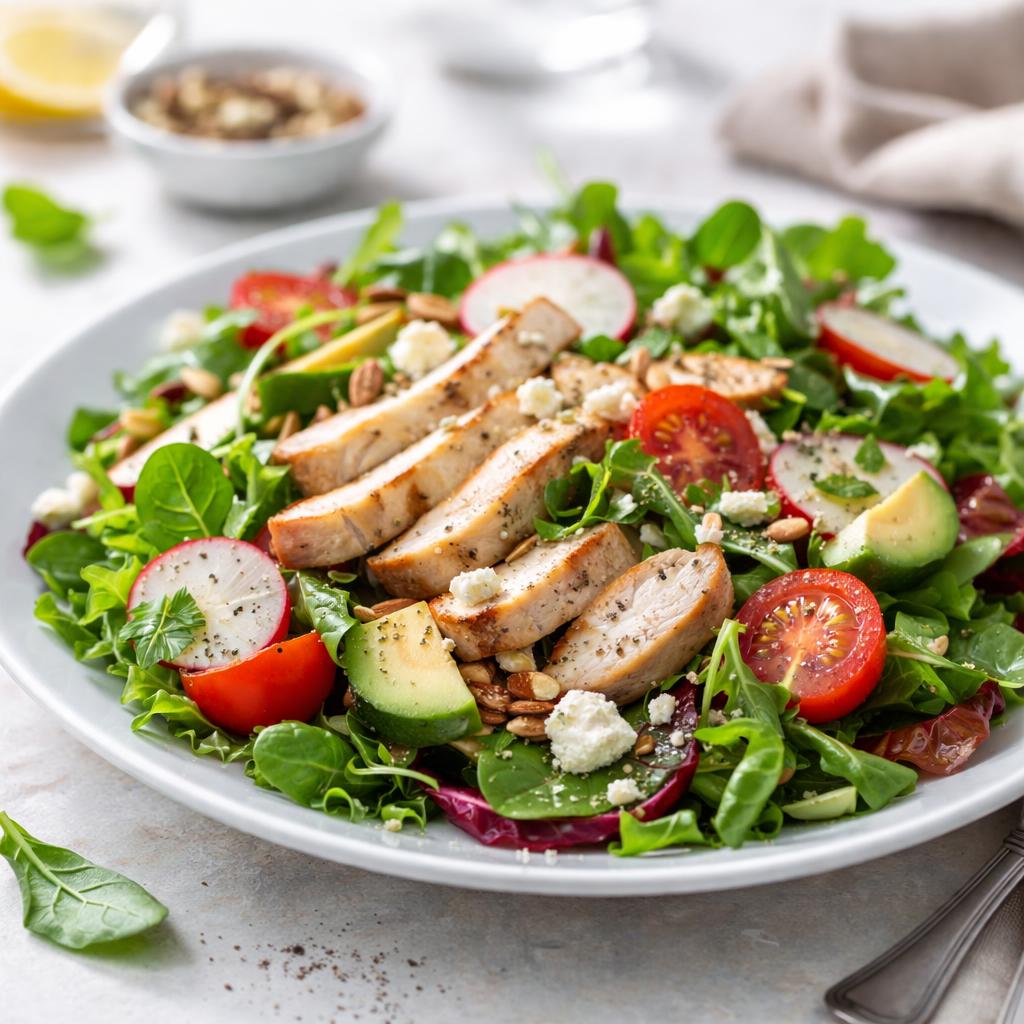
Salad
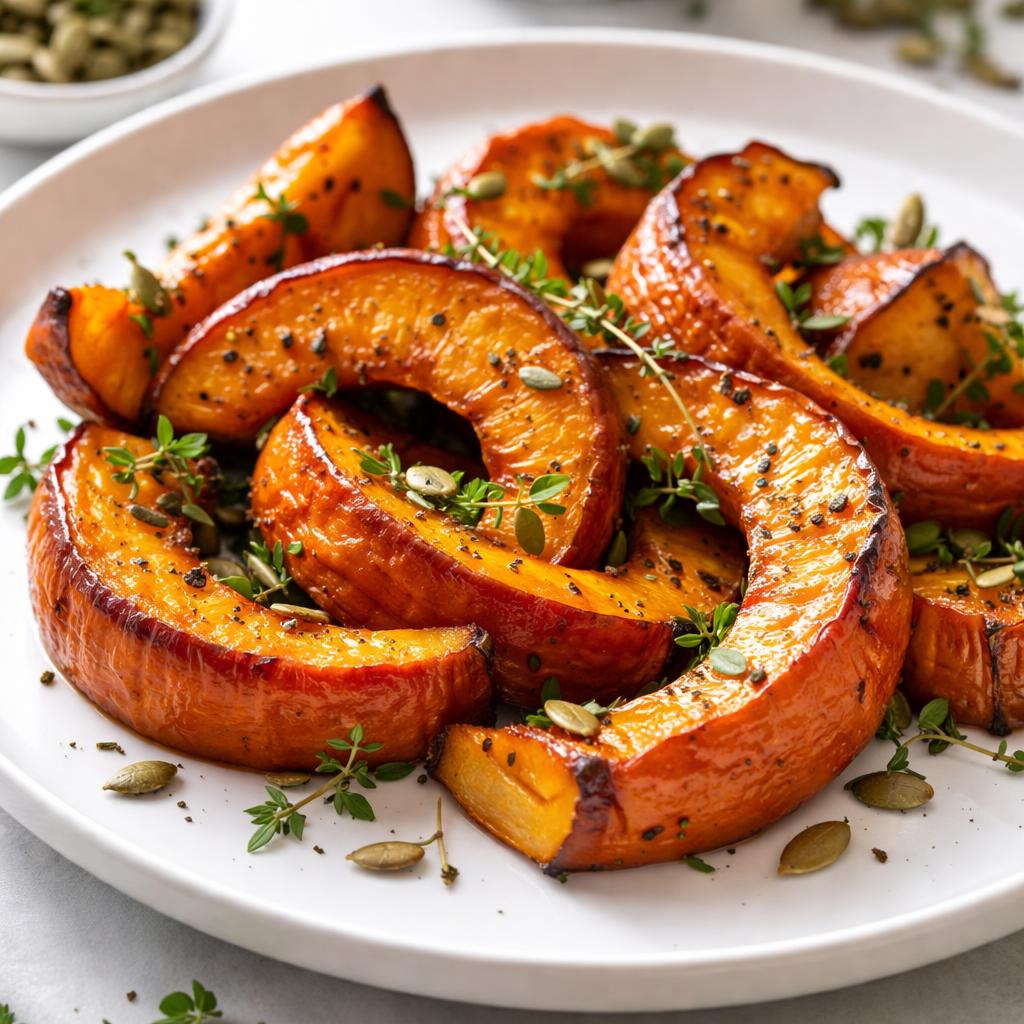
Pumpkin
🎯 Quick Verdict
Salad is a low-calorie, high-volume food primarily composed of leafy greens and vegetables, great for weight loss and hydration. Pumpkin is slightly higher in calories and richer in fiber and vitamins like Vitamin A, making it excellent for heart health and immune support. Both are versatile and nutrient-dense choices depending on your goals.

Smart Nutrition Tracking with SnapCalorie

📊 Nutritional Comparison
Macronutrients
| Nutrient | Food 1 | Food 2 | Winner |
|---|---|---|---|
| Calories | 25 per cup | 50 per cup | ✓ |
| Protein | 1g per cup | 2g per cup | ✓ |
| Carbs | 5g per cup | 12g per cup | ✓ |
| Fat | 0.2g per cup | 0.1g per cup | − |
| Fiber | 1g per cup | 3g per cup | ✓ |
Vitamins & Minerals
| Nutrient | Food 1 | Food 2 | Winner |
|---|---|---|---|
| Vitamin A | 2814 IU per cup | 12230 IU per cup | ✓ |
| Vitamin C | 9mg per cup | 8mg per cup | ✓ |
| Calcium | 20mg per cup | 22mg per cup | ✓ |
| Iron | 0.3mg per cup | 0.4mg per cup | ✓ |
🏆 Category Winners
Protein
Pumpkin has double the protein content compared to salad.
Fiber
Pumpkin provides 3x more fiber per cup, aiding digestion.
Calories
Salad is extremely low in calories, perfect for weight management.
Vitamins
Pumpkin is especially rich in Vitamin A for eye health.
🥗 Diet Compatibility
Keto
Food 1: Compatible
Food 2: Not Compatible
Salad is low-carb and keto-friendly while pumpkin has higher carbs.
Vegan
Food 1: Compatible
Food 2: Compatible
Both are plant-based and vegan-friendly.
Gluten Free
Food 1: Compatible
Food 2: Compatible
Neither contains gluten.
Paleo
Food 1: Compatible
Food 2: Compatible
Both align with Paleo guidelines.
Low-Carb
Food 1: Compatible
Food 2: Not Compatible
Salad is lower in carbohydrates, meeting low-carb diet criteria.
💪 Health Benefits Comparison
Food 1 Benefits
- Extremely low in calories, suitable for weight management
- Hydrates the body due to high water content
- Contains Vitamin C for immune system support
Food 2 Benefits
- Rich in dietary fiber, supporting gut health and digestion
- Contains high levels of Vitamin A for eye and skin health
- Provides a moderate amount of complex carbohydrates for sustained energy
✅ The Bottom Line
Salad is ideal for those seeking a low-calorie, hydrating food for weight loss or light meals. Pumpkin, on the other hand, is more nutrient-dense with higher calories and fiber, making it a better choice for heart health, digestion, or boosting energy. Choose salad for light meals, and pumpkin for nutrient-packed dishes.
Choose Food 1 for: Weight loss, hydration, light meals
Choose Food 2 for: Heart health, digestion, nutrient density


