Salad VS Pepsi
A detailed nutritional comparison
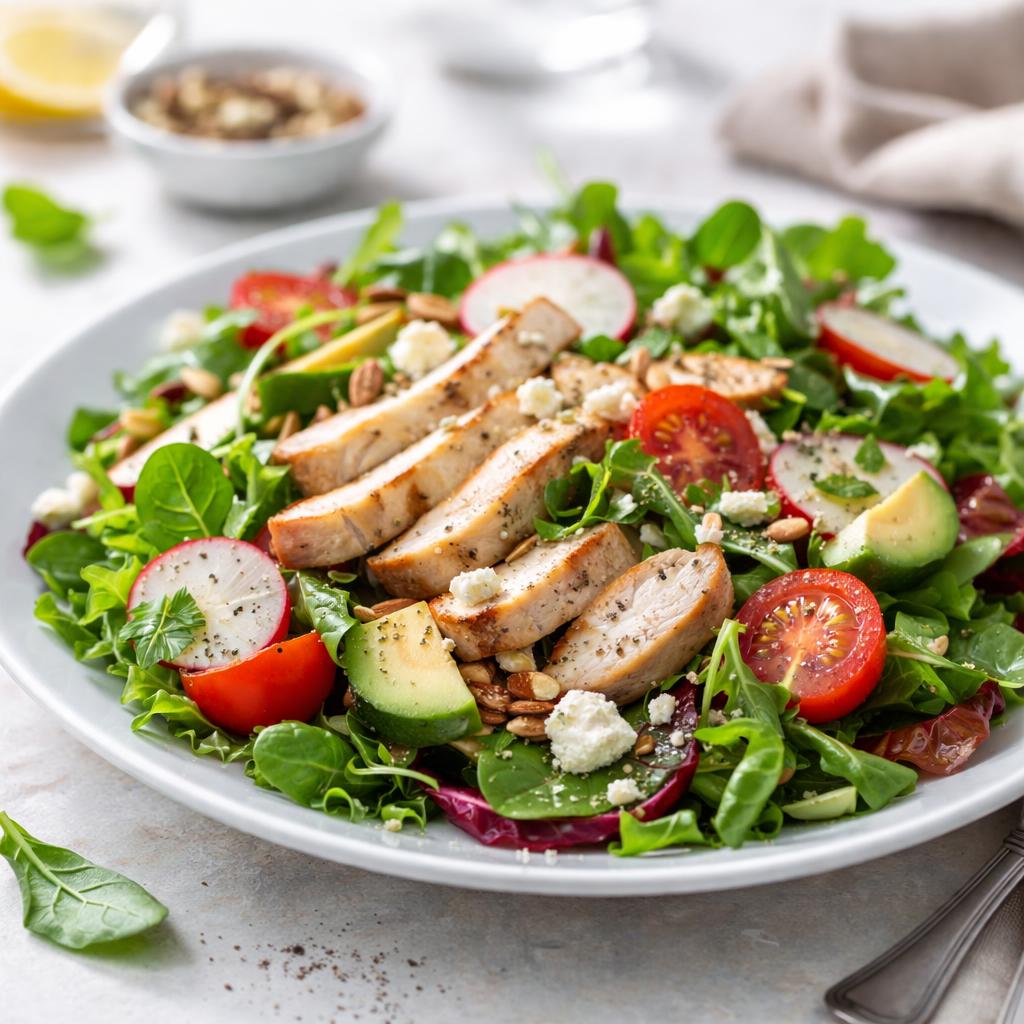
Salad
Pepsi
🎯 Quick Verdict
Salad significantly outperforms Pepsi in terms of nutritional value, providing more protein, fiber, vitamins, and minerals, while being lower in calories, sugar, and fat. Pepsi offers a quick boost of energy via sugar but lacks substantial nutrients, making it less suitable for regular consumption. Salad is ideal as part of a balanced meal or diet, while Pepsi is best consumed occasionally as a treat or energy source during activities requiring quick sugar replenishment.

Smart Nutrition Tracking with SnapCalorie

📊 Nutritional Comparison
Macronutrients
| Nutrient | Food 1 | Food 2 | Winner |
|---|---|---|---|
| Calories | 100 | 140 | ✓ |
| Protein | 2g | 0g | ✓ |
| Carbs | 10g | 39g | ✓ |
| Fat | 5g | 0g | ✓ |
| Fiber | 3g | 0g | ✓ |
Vitamins & Minerals
| Nutrient | Food 1 | Food 2 | Winner |
|---|---|---|---|
| Vitamin C | 15mg | 0mg | ✓ |
| Calcium | 30mg | 0mg | ✓ |
| Iron | 1mg | 0mg | ✓ |
🏆 Category Winners
Protein
Salad has a small amount of protein (2g per serving) compared to Pepsi's 0g.
Fiber
Salad provides 3g of fiber, which is beneficial for digestion, while Pepsi contains none.
Calories
Salad has fewer calories per serving, making it a lighter choice.
🥗 Diet Compatibility
Keto
Food 1: Not Compatible
Food 2: Not Compatible
Both contain too many carbs for a keto diet.
Vegan
Food 1: Compatible
Food 2: Compatible
Both are plant-based and free from animal products.
Gluten Free
Food 1: Compatible
Food 2: Compatible
Neither food contains gluten.
Paleo
Food 1: Compatible
Food 2: Not Compatible
Salad fits the paleo diet due to its natural ingredients, but Pepsi contains refined sugar and additives.
Low Carb
Food 1: Compatible
Food 2: Not Compatible
Salad is moderate in carbs, but Pepsi is high in sugar and not low-carb friendly.
💪 Health Benefits Comparison
Food 1 Benefits
- Provides essential vitamins like Vitamin C for immune support
- Contains dietary fiber for healthy digestion
- Rich in antioxidants that combat inflammation
Food 2 Benefits
- Quick source of energy due to sugar content
- Convenient hydration in high temperatures or during physical activity
- Improves mood temporarily due to rapid sugar absorption
✅ The Bottom Line
Salad is the clear winner as a nutrient-dense, lower-calorie option suitable for promoting health and maintaining energy throughout the day. Pepsi can be consumed occasionally as an indulgence or quick energy source during high activity, but it lacks nutritional benefits for regular consumption.
Choose Food 1 for: Balanced meals, weight management, nutrient replenishment
Choose Food 2 for: Quick energy, temporary hydration, treat occasions


