Salad VS Pecans
A detailed nutritional comparison
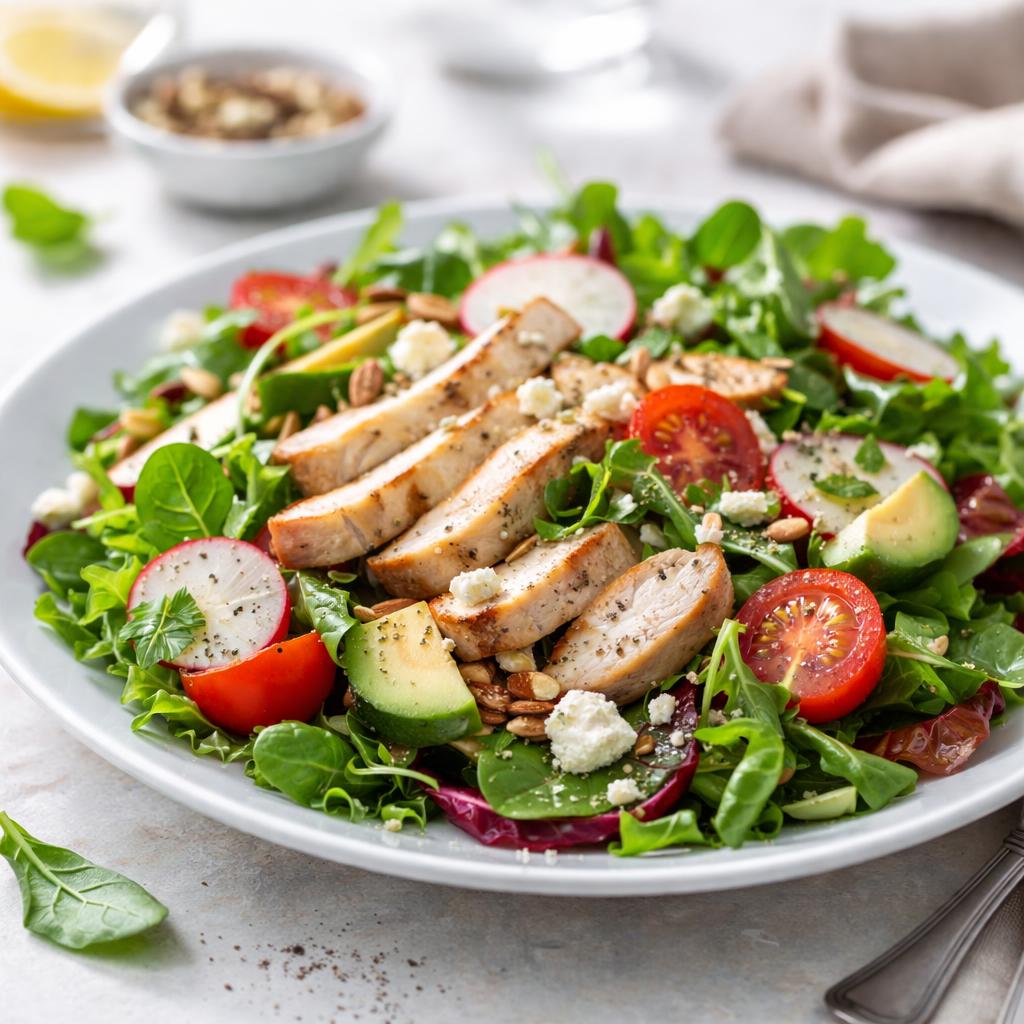
Salad
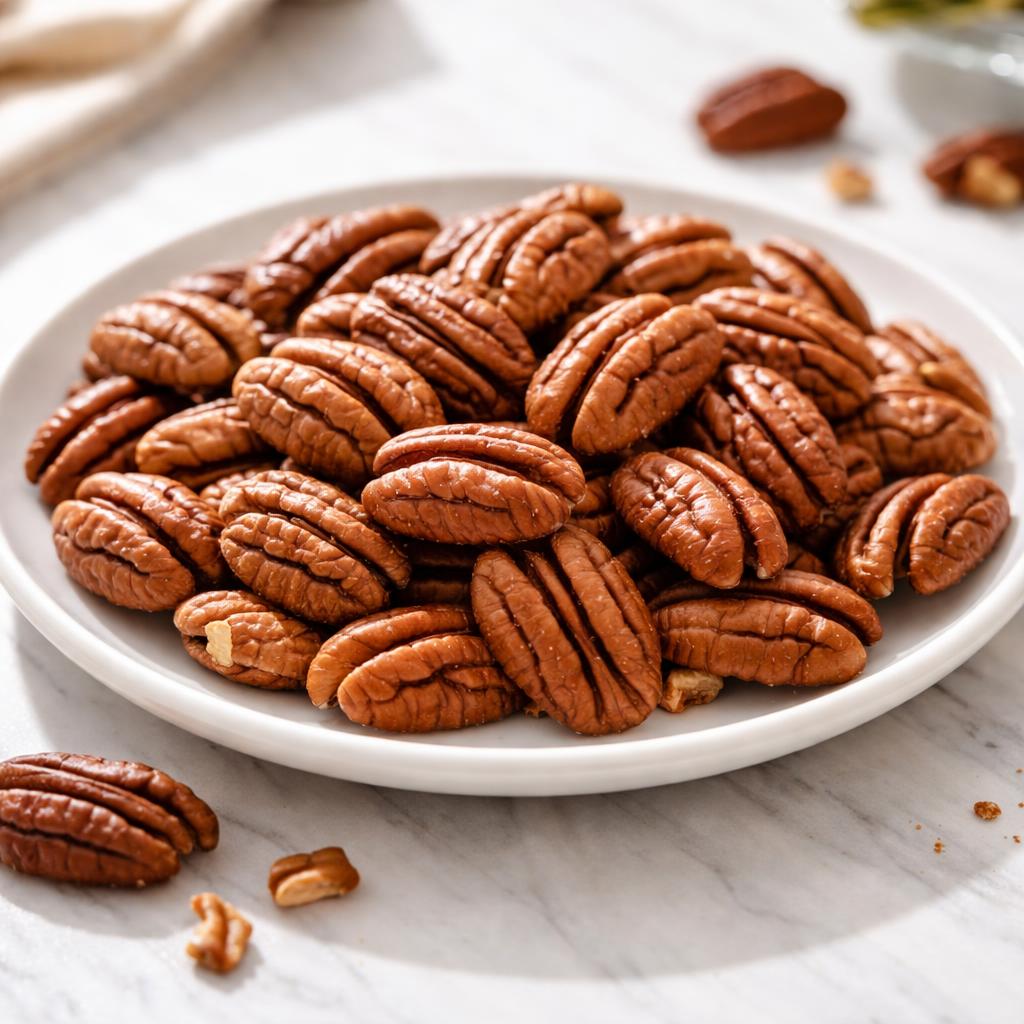
Pecans
🎯 Quick Verdict
Salad and pecans offer distinct nutritional profiles. Salad is low-calorie, high-fiber, and rich in vitamins, making it suitable for weight management. Pecans are calorie-dense with healthy fats and protein, ideal for energy boosts and heart health. Choose salad for light meals and pecans for nutrient-dense snacks or energy needs.

Smart Nutrition Tracking with SnapCalorie

📊 Nutritional Comparison
Macronutrients
| Nutrient | Food 1 | Food 2 | Winner |
|---|---|---|---|
| Calories | 50 (per 100g) | 691 (per 100g) | − |
| Protein | 2g (per 100g) | 9g (per 100g) | − |
| Carbs | 3.7g (per 100g) | 14g (per 100g) | − |
| Fat | 0.4g (per 100g) | 72g (per 100g) | − |
| Fiber | 2g (per 100g) | 9.6g (per 100g) | − |
Vitamins & Minerals
| Nutrient | Food 1 | Food 2 | Winner |
|---|---|---|---|
| Vitamin A | 2600 IU (per 100g) | 0 IU (per 100g) | − |
| Vitamin C | 12mg (per 100g) | 0mg (per 100g) | − |
| Calcium | 33mg (per 100g) | 70mg (per 100g) | − |
| Iron | 0.8mg (per 100g) | 2.5mg (per 100g) | − |
🏆 Category Winners
Protein
Pecans have 4.5x more protein compared to salad.
Fiber
Pecans have significantly higher fiber content per serving.
Calories
Salad delivers far fewer calories, suitable for weight management.
Vitamins
Salad is rich in vitamins A and C while pecans lack these nutrients.
🥗 Diet Compatibility
Keto
Food 1: Compatible
Food 2: Compatible
Both foods are low-carb and compatible with keto diets.
Vegan
Food 1: Compatible
Food 2: Compatible
Both foods are plant-based and suitable for vegans.
Gluten Free
Food 1: Compatible
Food 2: Compatible
Neither food contains gluten.
Paleo
Food 1: Compatible
Food 2: Compatible
Both align with paleo guidelines.
Low-Carb
Food 1: Compatible
Food 2: Compatible
Both foods are relatively low-carb (though pecans are higher).
💪 Health Benefits Comparison
Food 1 Benefits
- Low-calorie for weight management
- High in vitamins A and C for immune and skin health
- Contains fiber to aid digestion
Food 2 Benefits
- High in healthy fats for heart health
- Rich in protein for muscle maintenance
- Contains antioxidants to combat oxidative stress
- Provides essential minerals like calcium and iron
✅ The Bottom Line
Salad and pecans serve different purposes. Salad is a low-calorie, vitamin-rich option for light meals or weight loss diets, while pecans are calorie-dense and provide healthy fats, making them ideal for energy or nutrient-dense snacks. Consider your dietary goals when choosing between them.
Choose Food 1 for: Weight management, vitamin boost, light meals
Choose Food 2 for: Energy boost, heart health, nutrient-dense snacks


