Salad VS Pastry
A detailed nutritional comparison
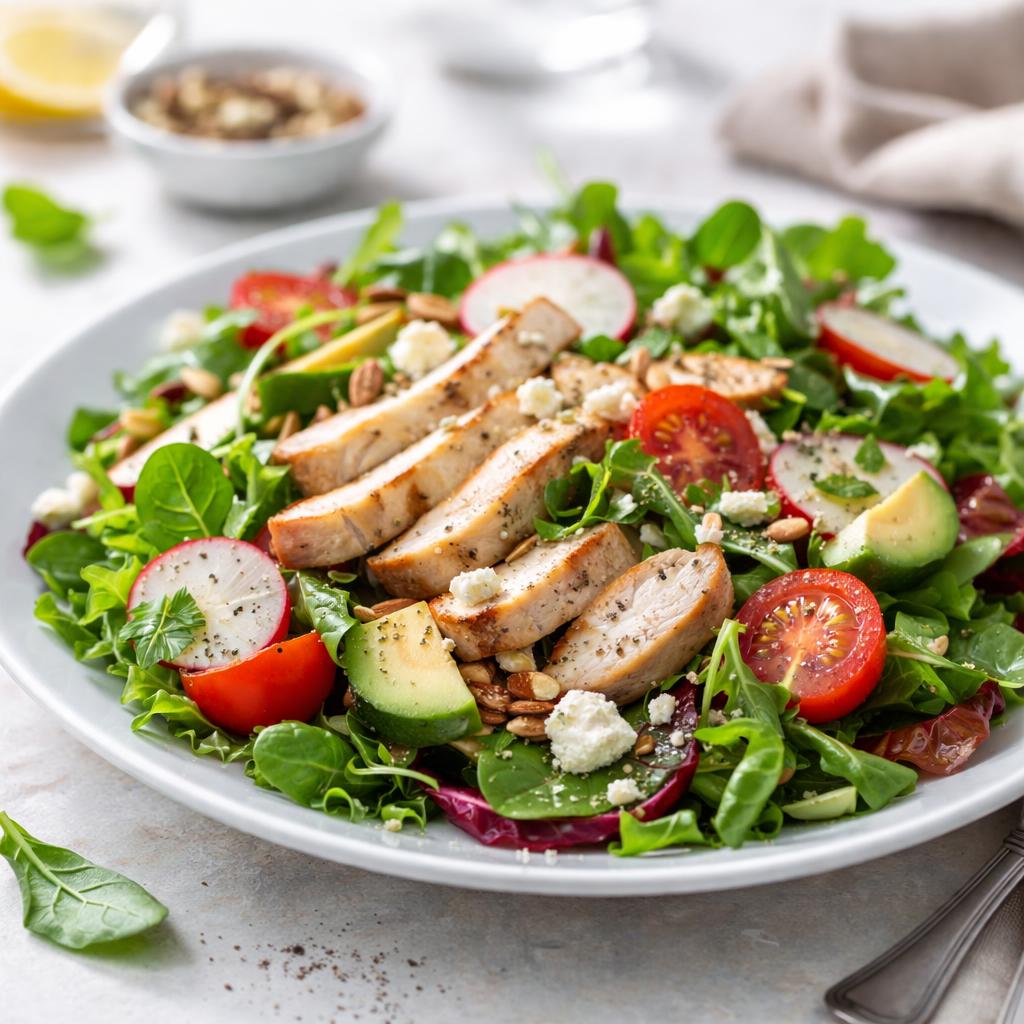
Salad

Pastry
🎯 Quick Verdict
Salad is a nutrient-dense, low-calorie option that's high in fiber and better suited for weight management and overall health. Pastry, on the other hand, is calorie-dense and rich in carbs and fats, making it a treat rather than a staple for a balanced diet. Salad works for everyday meals, whereas pastry fits occasional indulgences or energy boosts.

Smart Nutrition Tracking with SnapCalorie

📊 Nutritional Comparison
Macronutrients
| Nutrient | Food 1 | Food 2 | Winner |
|---|---|---|---|
| Calories | 80 | 320 | ✓ |
| Protein | 5g | 4g | ✓ |
| Carbs | 10g | 40g | ✓ |
| Fat | 3g | 15g | ✓ |
| Fiber | 4g | 1g | ✓ |
Vitamins & Minerals
| Nutrient | Food 1 | Food 2 | Winner |
|---|---|---|---|
| Vitamin D | 0mcg | 0mcg | − |
| Vitamin A | 1000IU | 0IU | ✓ |
| Vitamin C | 15mg | 0mg | ✓ |
| Iron | 1.5mg | 0.5mg | ✓ |
🏆 Category Winners
Protein
Salad contains slightly more protein, especially if it includes nuts, seeds, or legumes.
Fiber
Salad offers 4g of fiber per serving, while pastry has only 1g.
Calories
Salad has significantly fewer calories (80 vs 320), making it better for weight management.
Vitamins
Salad is richer in vitamins A and C, along with iron, compared to pastry.
🥗 Diet Compatibility
Keto
Food 1: Compatible
Food 2: Not Compatible
Salad is low-carb with 10g per serving, while pastry has 40g of carbs.
Vegan
Food 1: Compatible
Food 2: Depends on ingredients
Salad is plant-based; pastry may contain dairy or eggs.
Gluten Free
Food 1: Compatible
Food 2: Not Compatible
Salad contains no gluten, while pastry typically contains wheat.
Paleo
Food 1: Compatible
Food 2: Not Compatible
Salad fits paleo diets; pastries are processed and contain grains.
Low Carb
Food 1: Compatible
Food 2: Not Compatible
Salad's 10g carbs are suitable for low-carb diets; pastry's 40g are not.
💪 Health Benefits Comparison
Food 1 Benefits
- Low in calories, great for weight management
- Rich in fiber for improved digestion
- Provides antioxidants and vitamins for immune support
- Packed with micronutrients for overall health
Food 2 Benefits
- Energy-dense for quick calorie replenishment
- Source of carbs for immediate energy
- May contain small amounts of iron and protein
- Pairs well with coffee or tea for a comforting snack
✅ The Bottom Line
Choose salad for a low-calorie, nutrient-rich meal that supports health goals such as weight loss or a balanced diet. Opt for pastry when you need an energy-dense treat or indulgence, but consume in moderation due to its high calorie and fat content.
Choose Food 1 for: Weight management, high-fiber diets, daily meals
Choose Food 2 for: Occasional indulgence, quick energy boost


