Salad VS Paella
A detailed nutritional comparison
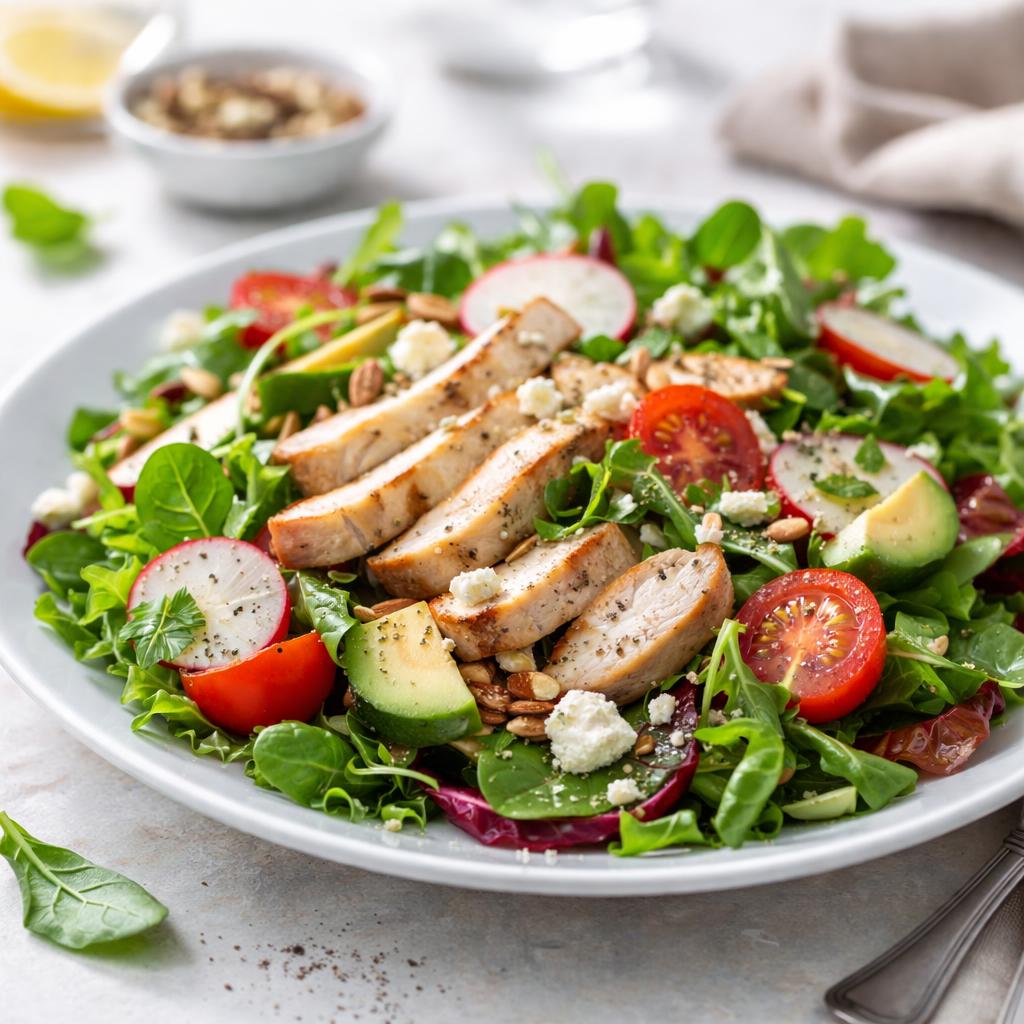
Salad
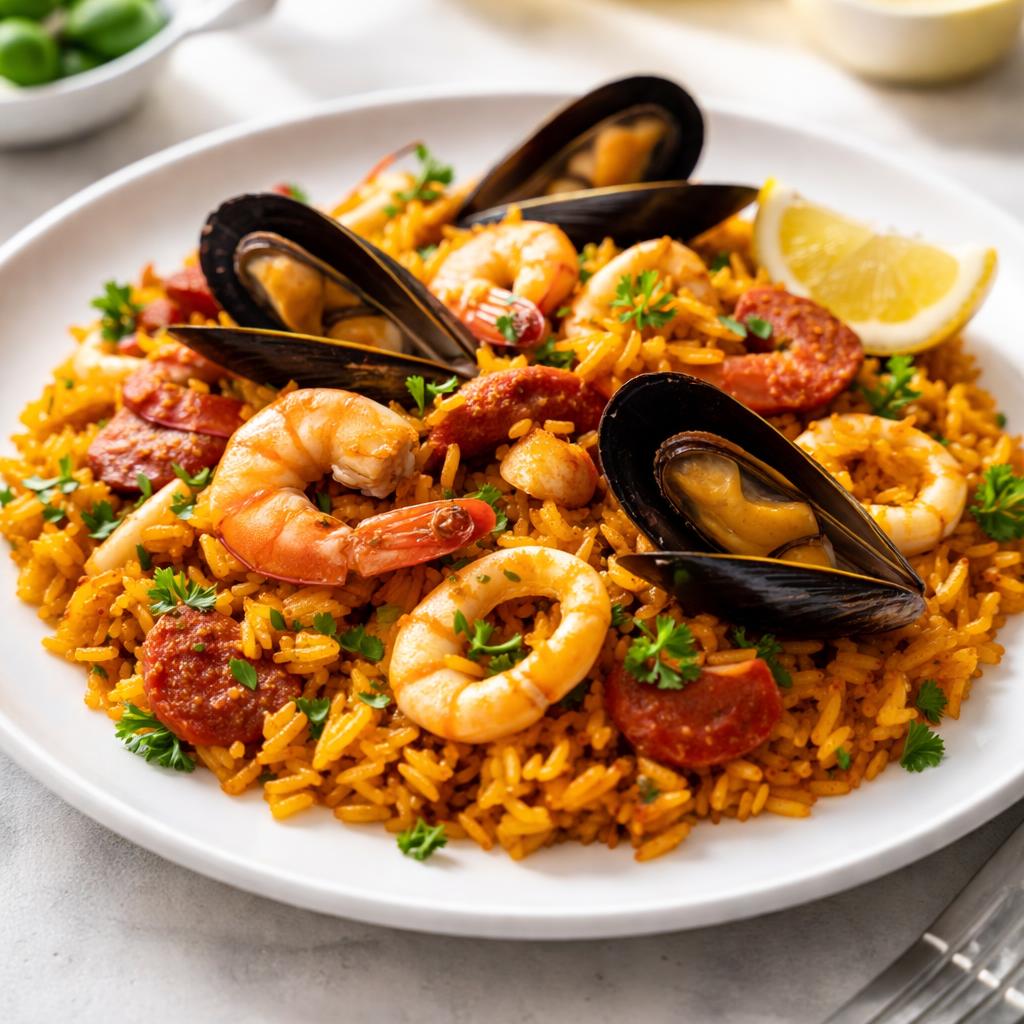
Paella
🎯 Quick Verdict
Salad is a lower-calorie, fiber-rich food ideal for weight loss and maintaining digestive health, whereas paella is a protein-dense, flavorful dish containing a variety of nutrients like iron and vitamin B12. Salad is best for light meals or side dishes, while paella is better for main courses and energy replenishment.

Smart Nutrition Tracking with SnapCalorie

📊 Nutritional Comparison
Macronutrients
| Nutrient | Food 1 | Food 2 | Winner |
|---|---|---|---|
| Calories | 120 | 340 | ✓ |
| Protein | 2g | 16g | ✓ |
| Carbs | 7g | 45g | ✓ |
| Fat | 5g | 10g | ✓ |
| Fiber | 4g | 2g | ✓ |
Vitamins & Minerals
| Nutrient | Food 1 | Food 2 | Winner |
|---|---|---|---|
| Vitamin C | 25mg | 5mg | ✓ |
| Iron | 1mg | 2.5mg | ✓ |
| Vitamin B12 | 0mcg | 1.5mcg | ✓ |
🏆 Category Winners
Protein
Paella contains 16g of protein per serving, making it a protein-rich option.
Fiber
Salad provides 4g of fiber per serving, doubling the fiber content of paella.
Calories
Salad has significantly fewer calories (120 vs 340) compared to paella.
Vitamins
Both foods provide complementary vitamins; salad excels in vitamin C, while paella contributes iron and vitamin B12.
🥗 Diet Compatibility
Keto
Food 1: Compatible
Food 2: Not Compatible
Salad is low-carb (7g per serving), unlike paella which is rice-based.
Vegan
Food 1: Compatible
Food 2: Not Compatible
Salad is plant-based, while paella often contains meat or seafood.
Gluten Free
Food 1: Compatible
Food 2: Compatible
Both foods are gluten-free depending on ingredients used.
Paleo
Food 1: Compatible
Food 2: Not Compatible
Salad fits paleo diets, while paella includes rice, which is non-paleo.
Low Carb
Food 1: Compatible
Food 2: Not Compatible
Salad is low-carb with 7g, whereas paella contains 45g of carbs per serving.
💪 Health Benefits Comparison
Food 1 Benefits
- Rich in fiber for improved digestion
- Excellent source of vitamin C for immunity
- Low-calorie option for weight management
- Provides antioxidants from leafy greens
Food 2 Benefits
- High protein for muscle growth and repair
- Good source of iron supporting red blood cell production
- Contains vitamin B12 essential for nerve function
- Offers sustained energy from carb-rich rice base
✅ The Bottom Line
Choose salad for lighter meals, weight loss goals, or digestion-focused diets, especially if you prefer vegan or low-carb options. Opt for paella for higher protein intake, energy replenishment, or as a hearty, nutrient-rich main dish.
Choose Food 1 for: Weight loss, vegan diets, light meals and sides
Choose Food 2 for: Muscle building, energy replenishment, complete main course


