Salad VS Mustard
A detailed nutritional comparison
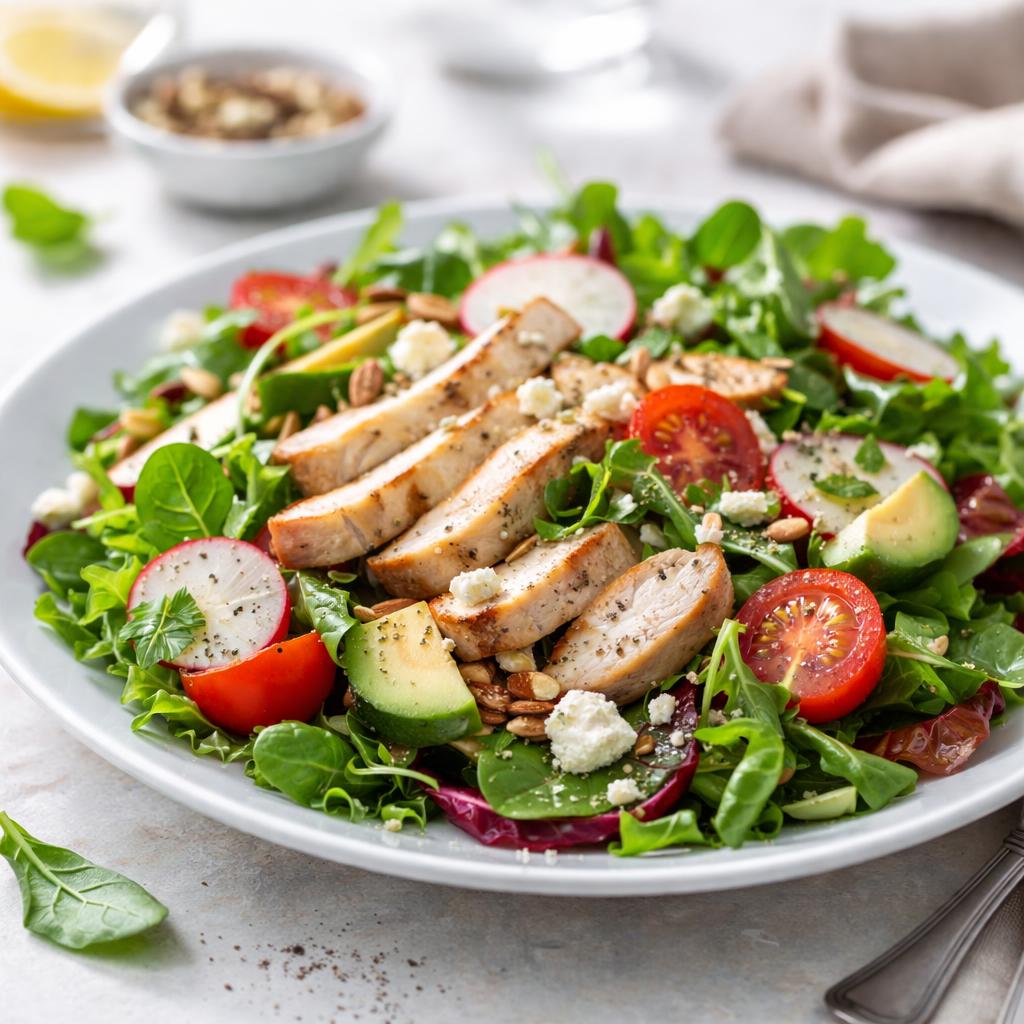
Salad
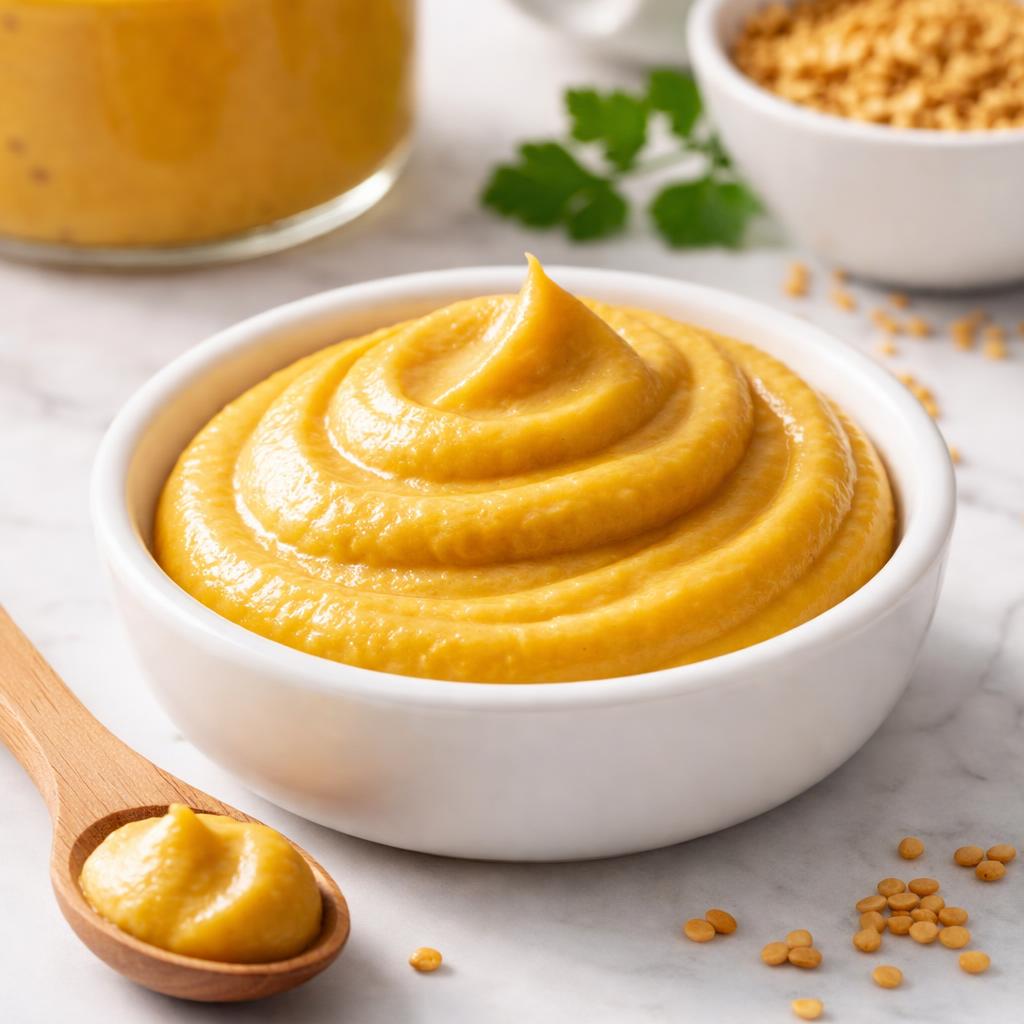
Mustard
🎯 Quick Verdict
Salad and mustard both offer unique nutritional profiles. Salad is rich in fiber, vitamins, and minerals, making it ideal for digestion and overall health. Mustard, on the other hand, is extremely low in calories and provides flavor with minimal impact on calorie intake, but lacks significant macronutrients or fiber. Choose salad for more substance and mustard as a condiment for enhancing flavor with almost no caloric cost.

Smart Nutrition Tracking with SnapCalorie

📊 Nutritional Comparison
Macronutrients
| Nutrient | Food 1 | Food 2 | Winner |
|---|---|---|---|
| Calories | 50 (per 100g) | 15 (per 15g serving) | ✓ |
| Protein | 2g | 2g | − |
| Carbs | 10g | 1g | ✓ |
| Fat | 0.5g | 0.5g | − |
| Fiber | 3g | 0g | ✓ |
Vitamins & Minerals
| Nutrient | Food 1 | Food 2 | Winner |
|---|---|---|---|
| Vitamin C | 10mg | 0mg | ✓ |
| Vitamin A | 2500 IU | 0 IU | ✓ |
| Calcium | 33mg | 9mg | ✓ |
| Iron | 0.8mg | 0.1mg | ✓ |
🏆 Category Winners
Protein
Both salad and mustard provide 2g of protein per serving.
Fiber
Salad contains 3g of fiber while mustard offers none.
Calories
Mustard is significantly lower in calories with only 15 calories per serving compared to 50 in salad.
Vitamins
Salad is rich in key vitamins such as Vitamin C, A, calcium, and iron, which mustard lacks significantly.
🥗 Diet Compatibility
Keto
Food 1: Not Compatible
Food 2: Compatible
Salad contains more carbs (10g), whereas mustard is extremely low-carb (1g per serving).
Vegan
Food 1: Compatible
Food 2: Compatible
Both foods are plant-based.
Gluten Free
Food 1: Compatible
Food 2: Compatible
Neither contains gluten.
Paleo
Food 1: Compatible
Food 2: Compatible
Both can fit into paleo diets due to their natural ingredients.
Low-Carb
Food 1: Not Compatible
Food 2: Compatible
Salad has moderate carb content (10g per serving), while mustard has minimal carbs (1g).
💪 Health Benefits Comparison
Food 1 Benefits
- Rich in fiber for better digestion
- High in Vitamin C for immune health
- Contains essential vitamins like Vitamin A and iron
- Low in calories, making it ideal for weight management
Food 2 Benefits
- Extremely low in calories for flavor without caloric impact
- Provides antioxidants from turmeric (if included in recipe)
- May promote metabolism due to compounds like capsaicin (in spicy mustard)
- Compatible with low-carb and keto diets
✅ The Bottom Line
Salad is the better choice for nutritional density, fiber, and essential vitamins, while mustard excels as a low-calorie condiment to add flavor to meals. Choose salad as a substantial dietary option for health and weight management and mustard for enhancing flavors without adding significant calories.
Choose Food 1 for: Weight management, fiber intake, boosting vitamin levels
Choose Food 2 for: Flavoring meals, low-calorie diets, compatibility with keto and low-carb plans


