Salad VS Mint
A detailed nutritional comparison
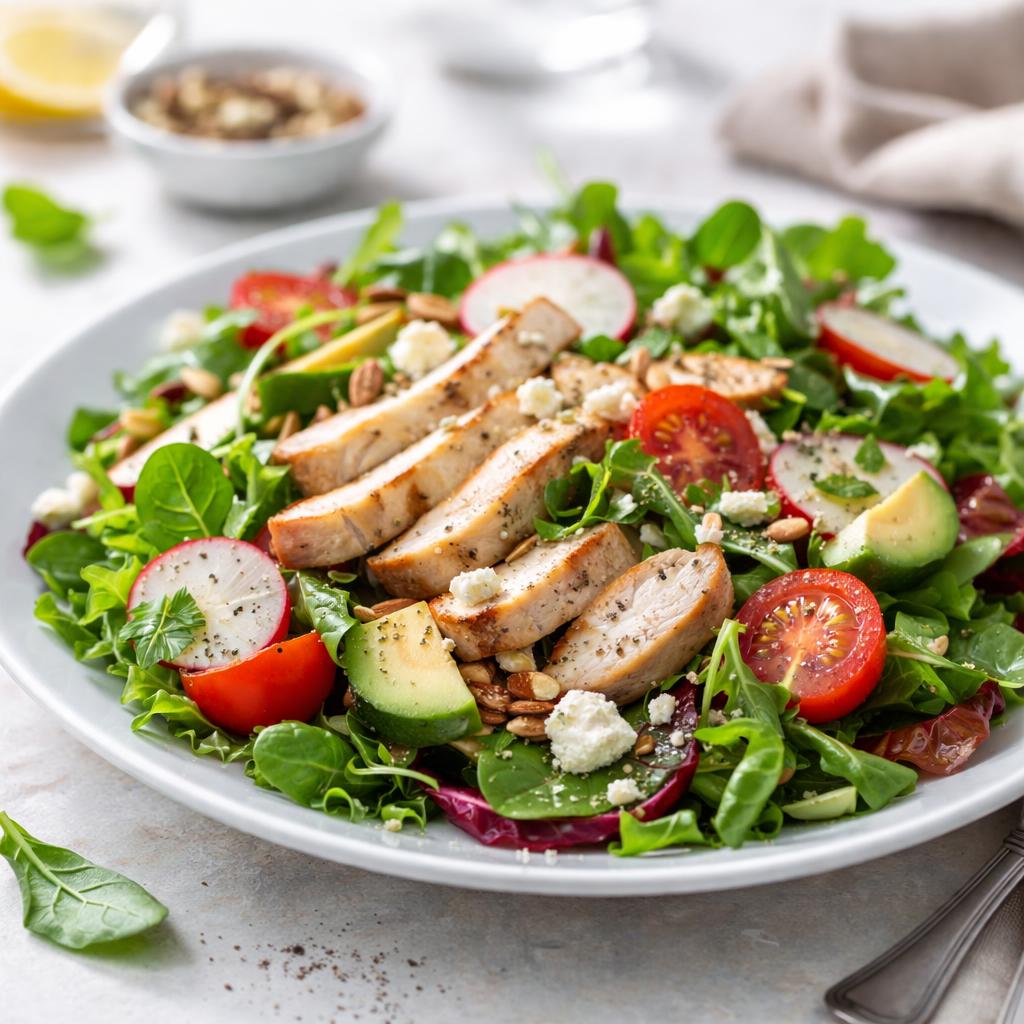
Salad
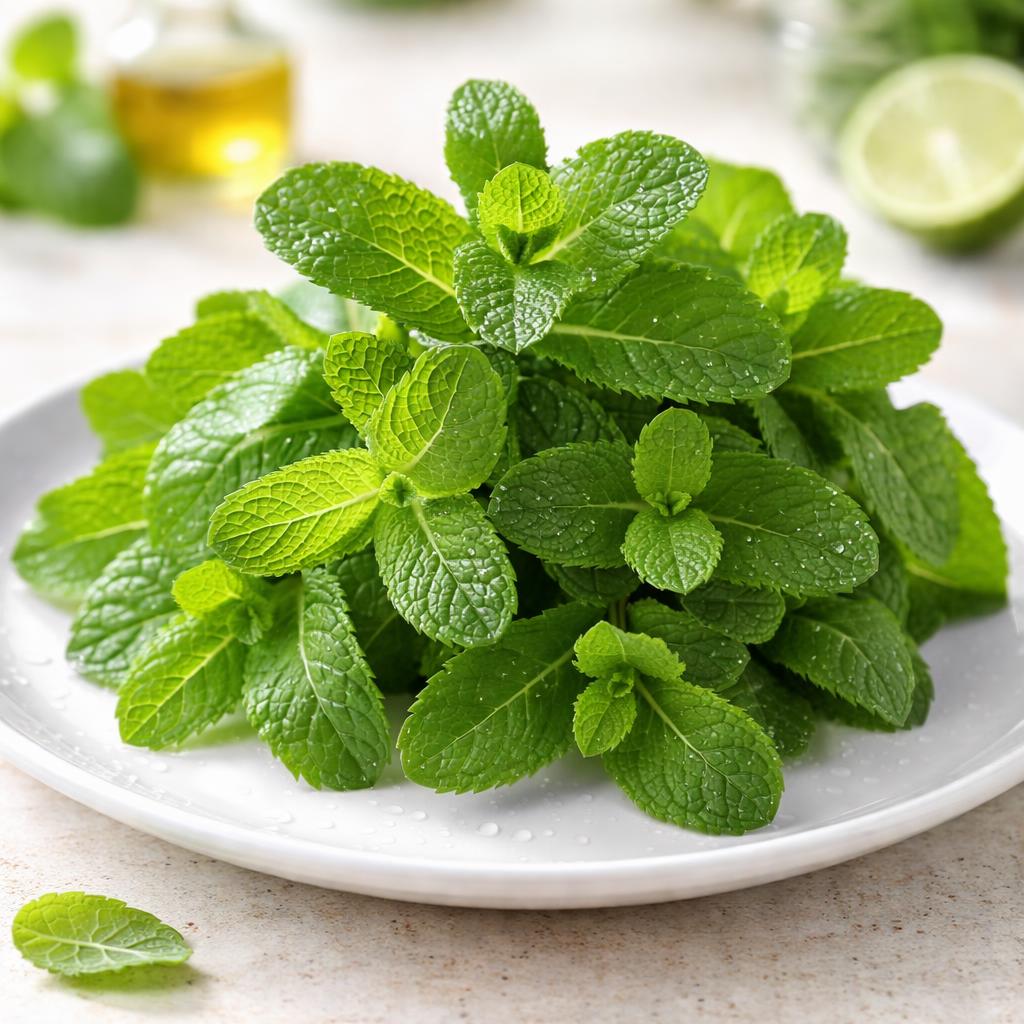
Mint
🎯 Quick Verdict
Salad offers a better nutritional profile overall, with higher protein, fiber, and significant micronutrient density, making it a practical choice for balanced meals. Mint is extremely low-calorie, high in antioxidants, and ideal for adding flavor or aiding digestion without contributing bulk nutrients.

Smart Nutrition Tracking with SnapCalorie

📊 Nutritional Comparison
Macronutrients
| Nutrient | Food 1 | Food 2 | Winner |
|---|---|---|---|
| Calories | 35 | 25 | ✓ |
| Protein | 2g | 0.3g | ✓ |
| Carbs | 7g | 6g | ✓ |
| Fat | 0.2g | 0.2g | − |
| Fiber | 3g | 1.6g | ✓ |
Vitamins & Minerals
| Nutrient | Food 1 | Food 2 | Winner |
|---|---|---|---|
| Vitamin A | 2800IU | 1300IU | ✓ |
| Vitamin C | 18mg | 31mg | ✓ |
| Vitamin K | 60mcg | 50mcg | ✓ |
| Calcium | 35mg | 30mg | ✓ |
| Iron | 0.8mg | 1.0mg | ✓ |
🏆 Category Winners
Protein
Salad contains over 6x more protein than mint.
Fiber
Salad provides almost double the fiber of mint.
Calories
Mint is slightly lower in calories per serving.
Vitamins
Mint excels in Vitamin C, while salad is richer in Vitamin A and K.
🥗 Diet Compatibility
Keto
Food 1: Compatible
Food 2: Compatible
Both are low-carb and suitable for keto diets.
Vegan
Food 1: Compatible
Food 2: Compatible
Both are plant-based options.
Gluten Free
Food 1: Compatible
Food 2: Compatible
Neither contains gluten.
Paleo
Food 1: Compatible
Food 2: Compatible
Both align with paleo principles.
Low-Carb
Food 1: Compatible
Food 2: Compatible
Both are low in carbohydrates.
💪 Health Benefits Comparison
Food 1 Benefits
- Rich in fiber for improving digestion
- High in Vitamin A for vision and skin health
- Good source of Vitamin K for bone health
- Low-calorie option for weight management
Food 2 Benefits
- High in Vitamin C for immune support
- Contains antioxidants to reduce inflammation
- Aids digestion and freshens breath
- Low-calorie choice for adding flavor without bulk
✅ The Bottom Line
Salad is the clear winner in overall nutrition, providing protein, fiber, and significant micronutrients for daily health needs and balanced meals. Mint excels as an accessory food to add flavor and offer unique benefits like digestion support and antioxidant properties, ideal as a garnish or tea ingredient.
Choose Food 1 for: Meal bases, weight management, daily nutrient intake
Choose Food 2 for: Flavor enhancement, digestion aid, refreshing and light usage


