Salad VS Macaroni And Cheese
A detailed nutritional comparison
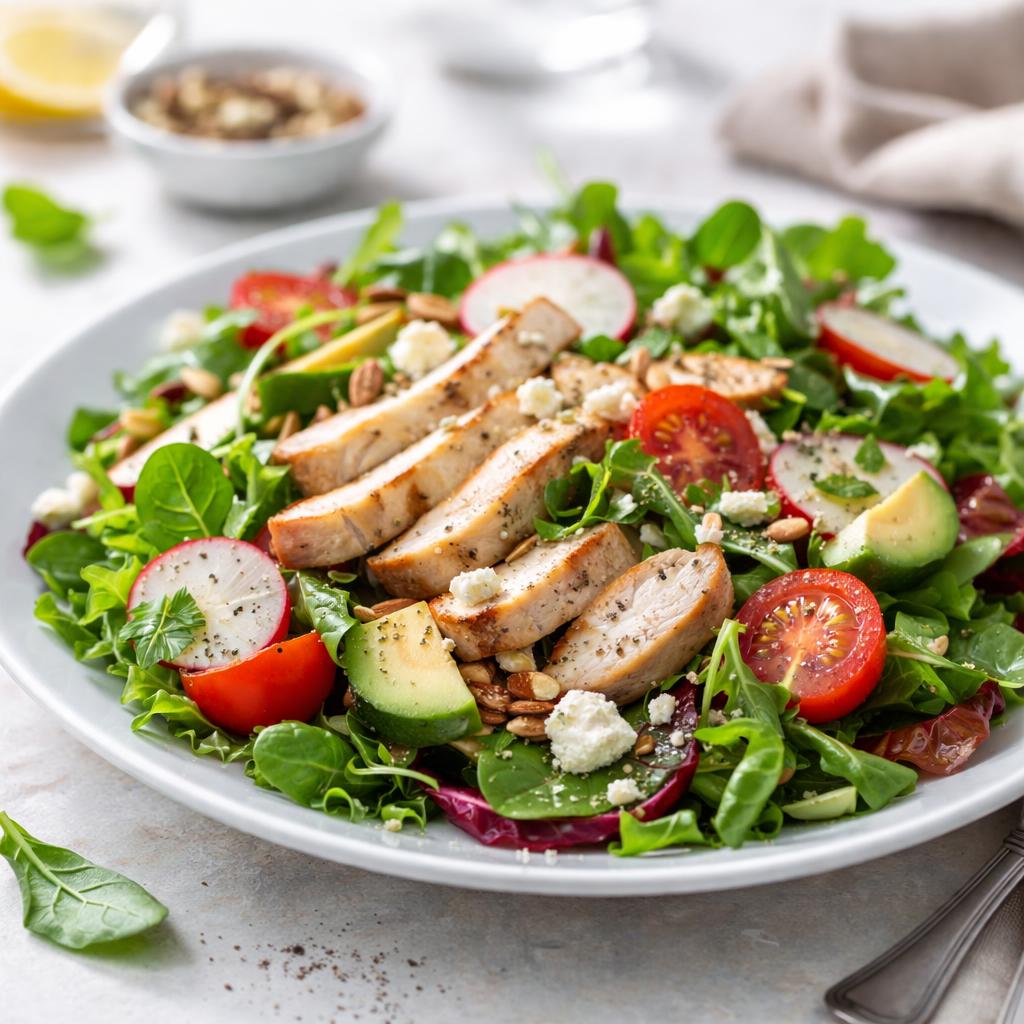
Salad
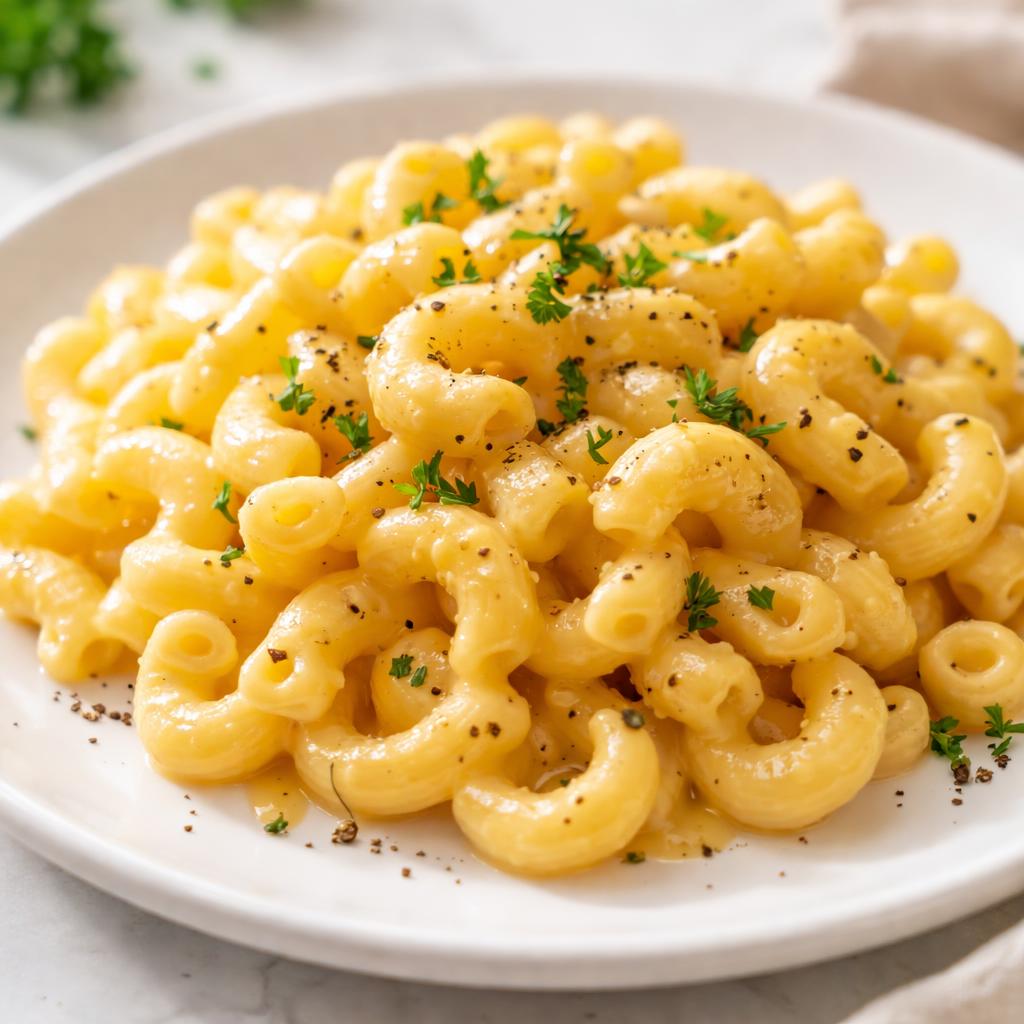
Macaroni And Cheese
🎯 Quick Verdict
Salad is significantly lower in calories, higher in fiber, and packed with micronutrients while macaroni and cheese provides more protein, fats, and energy-dense calories. Salad is ideal for weight management and high-nutrient diets while macaroni and cheese is better suited for hearty meals or energy replenishment.

Smart Nutrition Tracking with SnapCalorie

📊 Nutritional Comparison
Macronutrients
| Nutrient | Food 1 | Food 2 | Winner |
|---|---|---|---|
| Calories | 50 | 310 | ✓ |
| Protein | 2g | 11g | ✓ |
| Carbs | 10g | 45g | ✓ |
| Fat | 1g | 12g | ✓ |
| Fiber | 3.5g | 1g | ✓ |
Vitamins & Minerals
| Nutrient | Food 1 | Food 2 | Winner |
|---|---|---|---|
| Vitamin A | 140% DV | 8% DV | ✓ |
| Vitamin C | 120% DV | 0% DV | ✓ |
| Calcium | 30mg | 200mg | ✓ |
| Iron | 1mg | 0.5mg | ✓ |
🏆 Category Winners
Protein
Macaroni and cheese has 9g more protein per serving due to cheese and dairy content.
Fiber
Salad delivers over three times more fiber per serving, aiding digestion.
Calories
Salad is significantly lower in calories, making it ideal for weight management.
Vitamins
Salad is rich in vitamins A and C, providing immune and vision support.
🥗 Diet Compatibility
Keto
Food 1: Not Compatible
Food 2: Not Compatible
Both contain too many carbs for strict keto diets.
Vegan
Food 1: Compatible
Food 2: Not Compatible
Salad is plant-based, while macaroni and cheese contains dairy.
Gluten Free
Food 1: Compatible
Food 2: Not Compatible
Salad is naturally gluten-free; macaroni uses wheat-based pasta.
Paleo
Food 1: Compatible
Food 2: Not Compatible
Salad aligns with paleo diets; macaroni contains processed ingredients.
Low Carbohydrate
Food 1: Compatible
Food 2: Not Compatible
Salad is low-carb while macaroni and cheese is carb-heavy.
💪 Health Benefits Comparison
Food 1 Benefits
- Low calories for weight management
- Rich in fiber for digestive health
- High in vitamins A and C for immunity and skin health
Food 2 Benefits
- Good protein source for muscle repair
- Provides energy-dense calories for long-lasting satiety
- Contains calcium for bone health
✅ The Bottom Line
Choose salad if you're aiming for weight management, micronutrient intake, or following specialized diets like vegan, paleo, or low-carb. Opt for macaroni and cheese if you need a filling, high-energy meal with more protein that’s suitable for general diets.
Choose Food 1 for: Weight management, nutrient-dense meals, low-carb diets
Choose Food 2 for: Hearty meals, post-workout energy replenishment, filling comfort food


