Salad VS Gazpacho
A detailed nutritional comparison
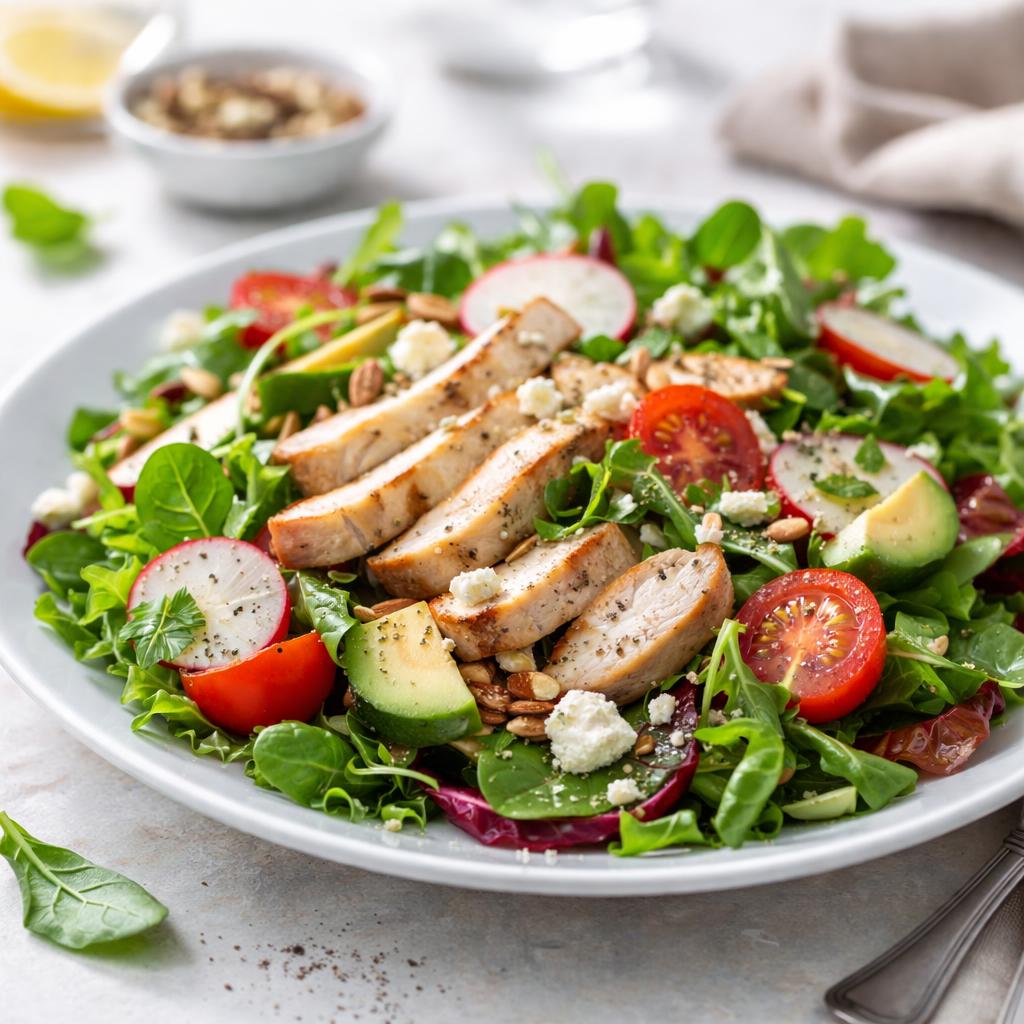
Salad
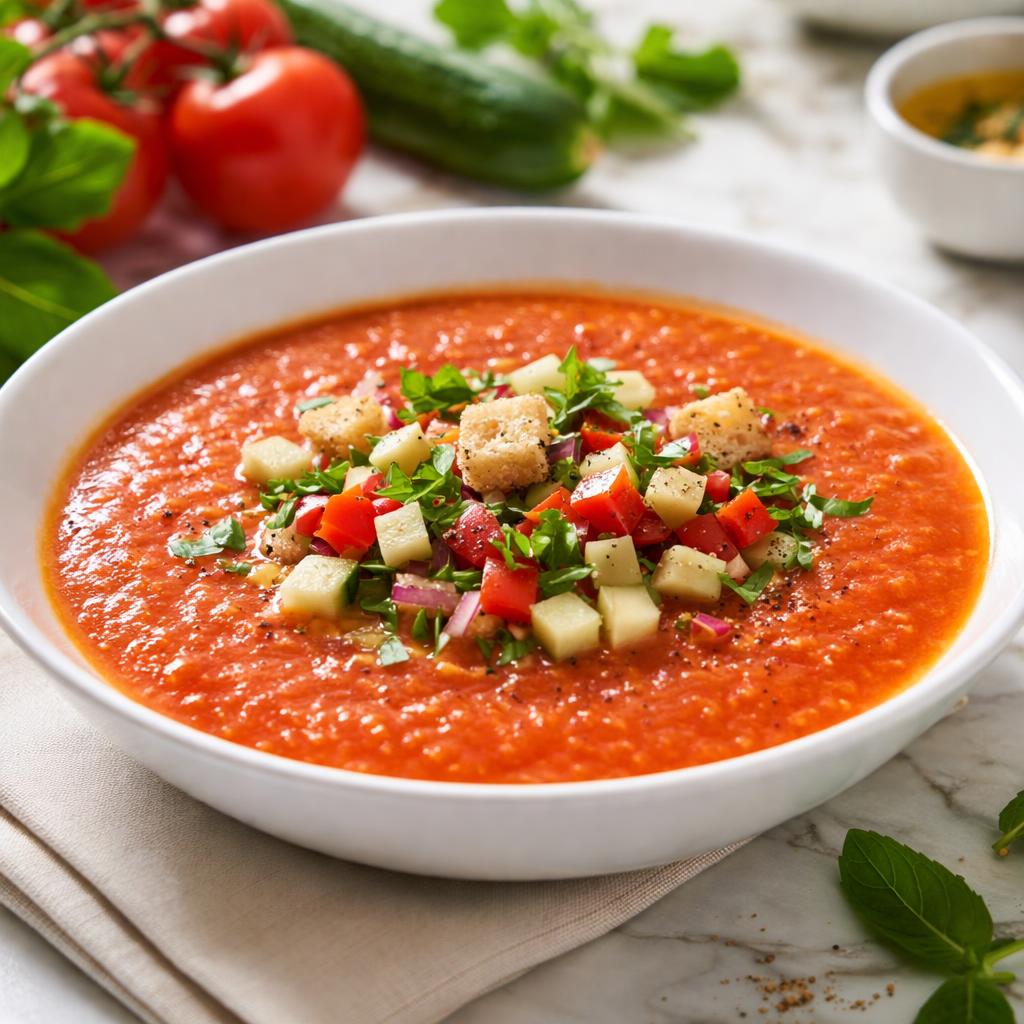
Gazpacho
🎯 Quick Verdict
Salad and gazpacho are both nutrient-dense, low-calorie options suitable for many diets. Salad generally has more fiber, fewer calories, and is better for weight loss. On the other hand, gazpacho provides a higher variety of vitamins like Vitamin A and antioxidants, making it a great choice for hydration and overall nutrient density.

Smart Nutrition Tracking with SnapCalorie

📊 Nutritional Comparison
Macronutrients
| Nutrient | Food 1 | Food 2 | Winner |
|---|---|---|---|
| Calories | 80 | 110 | ✓ |
| Protein | 2g | 2g | − |
| Carbs | 6g | 16g | ✓ |
| Fat | 5g | 4g | ✓ |
| Fiber | 4g | 2g | ✓ |
Vitamins & Minerals
| Nutrient | Food 1 | Food 2 | Winner |
|---|---|---|---|
| Vitamin A | 1500IU | 3500IU | ✓ |
| Vitamin C | 30mg | 20mg | ✓ |
| Calcium | 50mg | 20mg | ✓ |
| Iron | 1mg | 0.3mg | ✓ |
🏆 Category Winners
Protein
Both salad and gazpacho have equal protein content per serving.
Fiber
Salad contains twice as much fiber as gazpacho, supporting digestion more effectively.
Calories
Salad is lower in calories, making it ideal for weight management.
Vitamins
Gazpacho provides higher levels of Vitamin A and antioxidants.
🥗 Diet Compatibility
Keto
Food 1: Not Compatible
Food 2: Not Compatible
Both contain moderate carbs, exceeding keto limits.
Vegan
Food 1: Compatible
Food 2: Compatible
Both are plant-based and free from animal products.
Gluten Free
Food 1: Compatible
Food 2: Compatible
Neither food contains gluten.
Paleo
Food 1: Compatible
Food 2: Compatible
Both consist of whole, unprocessed ingredients typical of paleo diets.
Low-Carb
Food 1: Compatible
Food 2: Not Compatible
Salad has fewer carbs (6g vs 16g).
💪 Health Benefits Comparison
Food 1 Benefits
- High in fiber for supporting digestive health
- Low in calories, great for weight management
- Good source of Vitamin C, boosting immunity
Food 2 Benefits
- Rich in Vitamin A for eye and skin health
- Provides antioxidants that combat inflammation
- Hydrating and nutrient-dense, ideal for hot climates
✅ The Bottom Line
Salad is the better choice for low-calorie and low-carb diets, as well as those looking for higher fiber content. Gazpacho, on the other hand, shines in its nutrient density (Vitamin A, antioxidants) and is more hydrating, making it perfect for warm climates or post-exercise recovery.
Choose Food 1 for: Weight loss, high-fiber diets, light meals
Choose Food 2 for: Hydration, antioxidant intake, summer refreshment


