Salad VS Fat
A detailed nutritional comparison
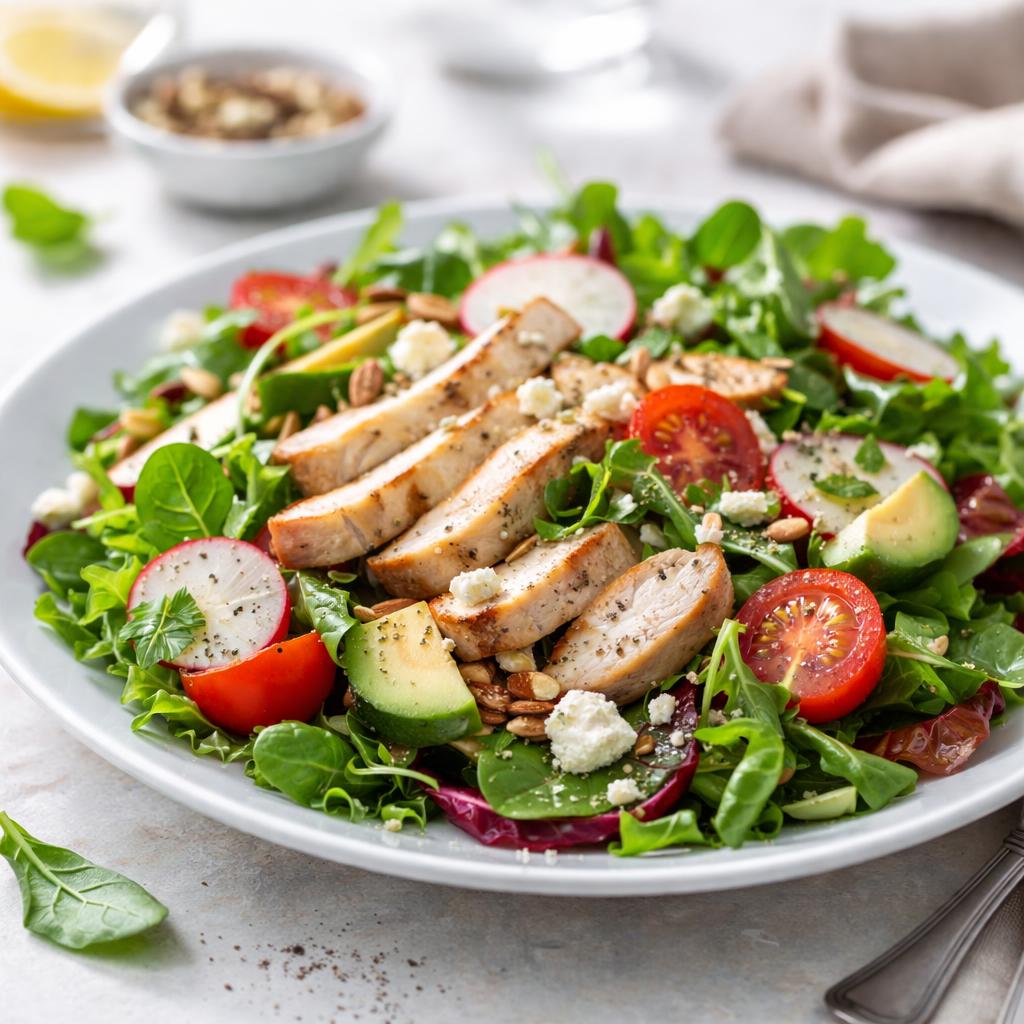
Salad

Fat
🎯 Quick Verdict
Salad is nutrient-dense and low in calories, providing fiber, vitamins, and some protein. Fat, on the other hand, is calorie-dense and provides essential fatty acids and energy but lacks fiber and protein. Choose salad for light meals and weight management, and fat for energy-dense additions to a meal plan.

Smart Nutrition Tracking with SnapCalorie

📊 Nutritional Comparison
Macronutrients
| Nutrient | Food 1 | Food 2 | Winner |
|---|---|---|---|
| Calories | 50 | 120 | ✓ |
| Protein | 2g | 0g | ✓ |
| Carbs | 10g | 0g | ✓ |
| Fat | 0.5g | 13g | ✓ |
| Fiber | 3g | 0g | ✓ |
Vitamins & Minerals
| Nutrient | Food 1 | Food 2 | Winner |
|---|---|---|---|
| Vitamin A | 142mcg RAE | 0mcg RAE | ✓ |
| Vitamin C | 12mg | 0mg | ✓ |
| Vitamin E | 0.1mg | 1.8mg | ✓ |
🏆 Category Winners
Protein
Salad contains 2g protein per serving, while fat contains none.
Fiber
Salad provides 3g of fiber, and fat has zero fiber.
Calories
Salad is much lower in calories with only 50 per serving compared to fat's 120.
Vitamins
Salad is rich in vitamin A and C, while fat has none of these.
🥗 Diet Compatibility
Keto
Food 1: Not Compatible
Food 2: Compatible
Fat is ideal for keto due to no carbs and high fat.
Vegan
Food 1: Compatible
Food 2: Compatible
Both food items are plant-based and suitable for vegan diets.
Gluten Free
Food 1: Compatible
Food 2: Compatible
Neither contains gluten, making both compatible with gluten-free diets.
Paleo
Food 1: Compatible
Food 2: Compatible
Both adhere to paleo principles.
Low-Carb
Food 1: Not Compatible
Food 2: Compatible
Fat is carb-free and salad has higher carb content due to vegetable sources.
💪 Health Benefits Comparison
Food 1 Benefits
- Rich in fiber to aid digestion
- Provides essential vitamins like A and C for immunity and skin health
- Low in calories, ideal for weight management
Food 2 Benefits
- Provides energy through healthy fats
- Rich in vitamin E for skin protection and antioxidant effects
- Supports brain health with essential fatty acids
✅ The Bottom Line
Choose salad for a nutrient-dense, low-calorie, high-fiber food that works well for weight loss and general health. Use fat as a nutrient-dense addition for energy or to meet dietary fat requirements within keto or low-carb frameworks.
Choose Food 1 for: Weight loss, digestion, nutrient density
Choose Food 2 for: Energy boosting, keto-friendly diets, vitamin E sources


