Salad VS Courgette
A detailed nutritional comparison
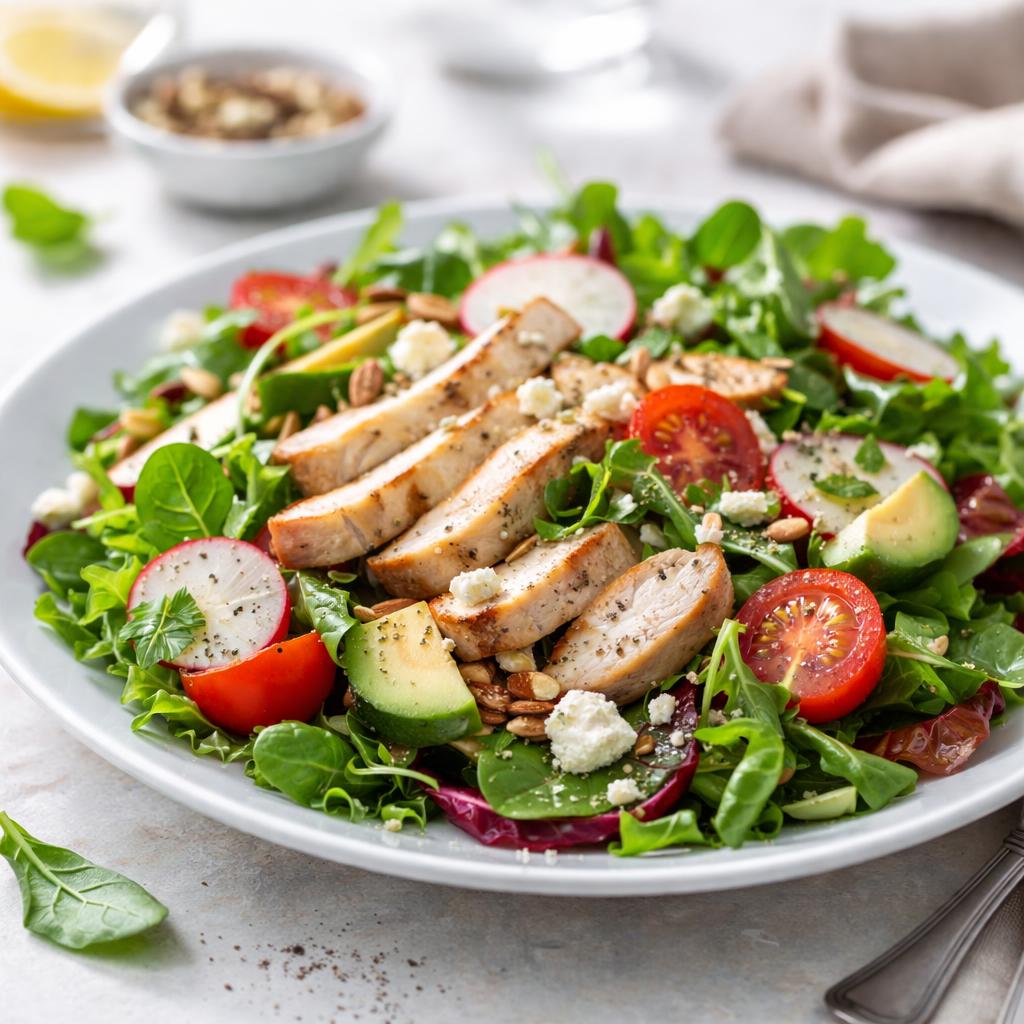
Salad
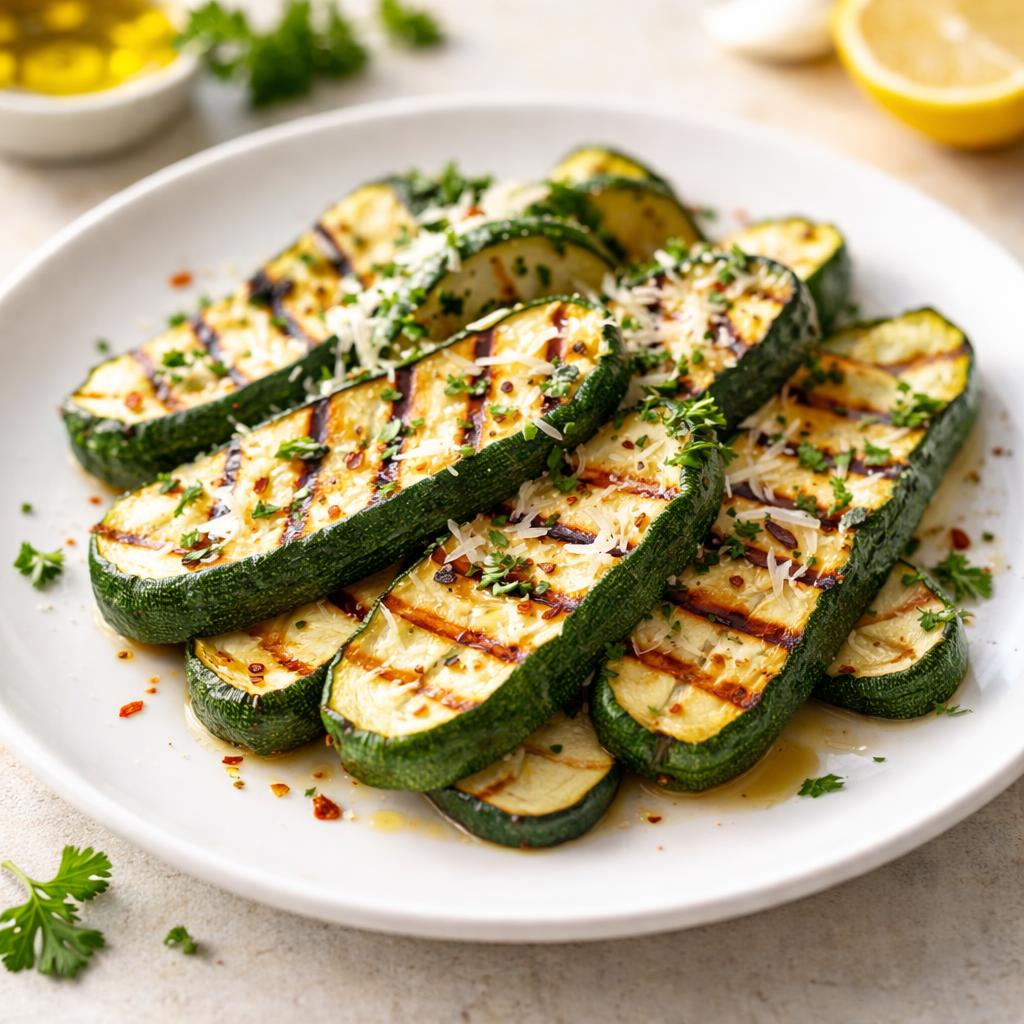
Courgette
🎯 Quick Verdict
Salad and courgette are both nutrient-dense and low-calorie options. Salad offers higher protein and fiber content, making it great for digestive health and a light protein boost. Courgette, however, excels in being even lower in calories and providing antioxidants, making it ideal for weight management or overall nutrient density without many calories.

Smart Nutrition Tracking with SnapCalorie

📊 Nutritional Comparison
Macronutrients
| Nutrient | Food 1 | Food 2 | Winner |
|---|---|---|---|
| Calories | 35 | 20 | ✓ |
| Protein | 2.5g | 1g | ✓ |
| Carbs | 5g | 4g | ✓ |
| Fat | 0.5g | 0.4g | ✓ |
| Fiber | 1.8g | 1g | ✓ |
Vitamins & Minerals
| Nutrient | Food 1 | Food 2 | Winner |
|---|---|---|---|
| Vitamin C | 9mg | 17mg | ✓ |
| Vitamin A | 1400IU | 240IU | ✓ |
| Iron | 0.7mg | 0.4mg | ✓ |
🏆 Category Winners
Protein
Salad contains 150% more protein per serving compared to courgette.
Fiber
Salad has nearly double the fiber content, aiding in digestion.
Calories
Courgette has 43% fewer calories per serving than salad.
Vitamins
Courgette has higher vitamin C content, which supports immune health.
🥗 Diet Compatibility
Keto
Food 1: Not Compatible
Food 2: Compatible
Courgette is lower in carbs and ideal for keto diets.
Vegan
Food 1: Compatible
Food 2: Compatible
Both are plant-based and vegan-friendly foods.
Gluten Free
Food 1: Compatible
Food 2: Compatible
Neither contains gluten.
Paleo
Food 1: Compatible
Food 2: Compatible
Both are whole, natural foods suitable for paleo.
Low-Carb
Food 1: Moderately Compatible
Food 2: Compatible
Courgette has fewer carbs (~4g per serving), while salad (~5g per serving) is slightly higher but still relatively low.
💪 Health Benefits Comparison
Food 1 Benefits
- Rich in dietary fiber for improving digestive health
- Contains vitamin A for eye health
- Low-calorie yet filling, suitable for weight management
- Provides moderate protein for muscle repair
Food 2 Benefits
- High in vitamin C, boosting collagen production and immune function
- Very low-calorie and hydrating, aiding in weight management
- Rich in antioxidants, reducing oxidative stress
- Source of potassium for heart and muscle health
✅ The Bottom Line
Choose salad if you want a source of both fiber and protein for general health or digestion. Opt for courgette if you're focusing on ultra-low-calorie meals and boosting antioxidant intake. Both complement healthy diets well.
Choose Food 1 for: Digestive health, inclusion in high-fiber meals, light protein boosts
Choose Food 2 for: Weight loss, antioxidant-rich diets, ultra-low-calorie meals


