Salad VS Cinnamon
A detailed nutritional comparison
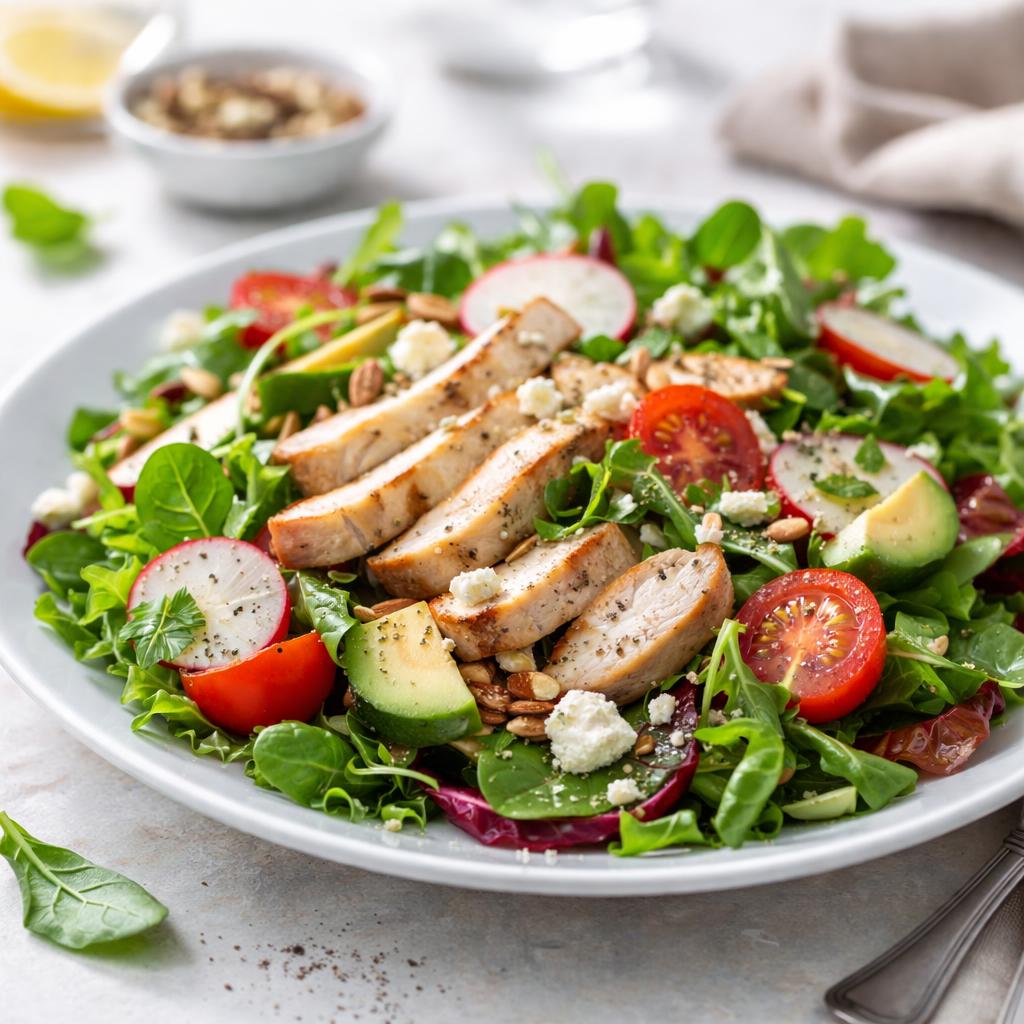
Salad
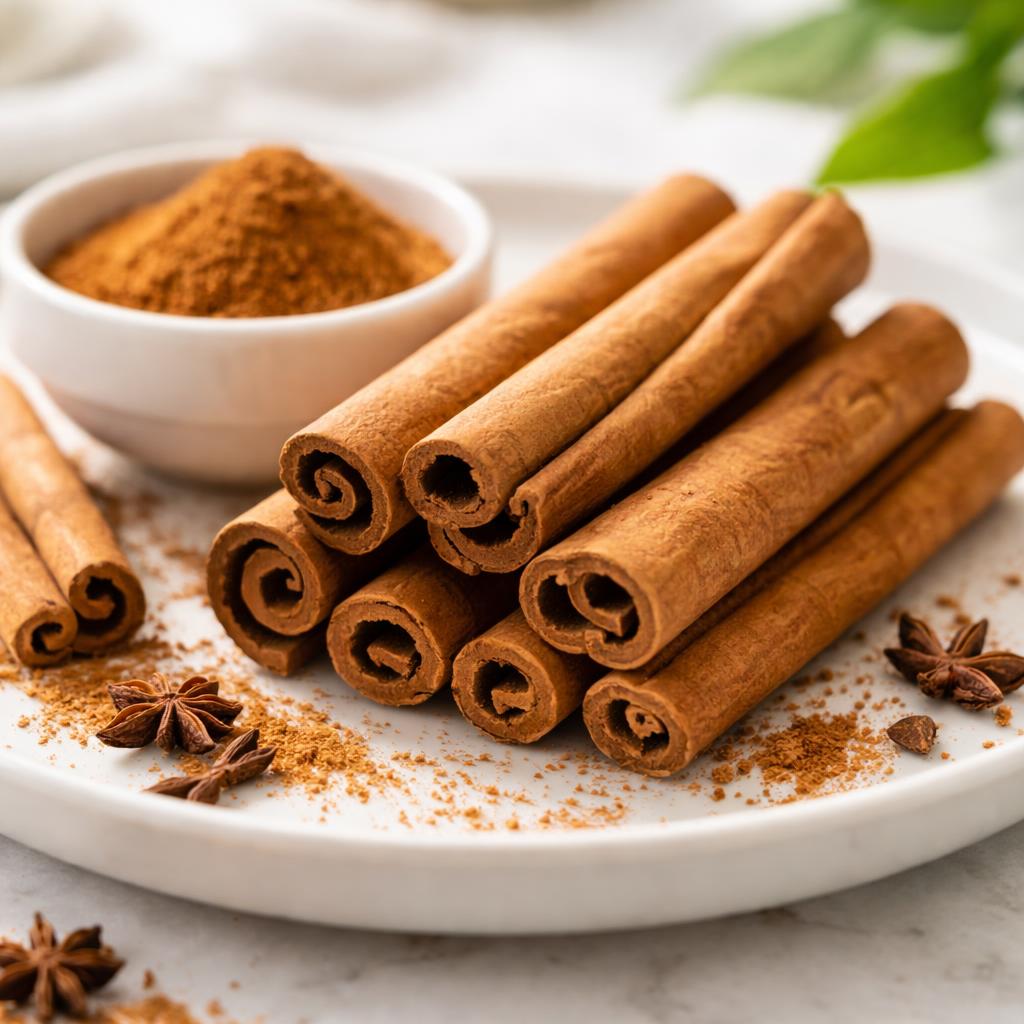
Cinnamon
🎯 Quick Verdict
Salad is a nutrient-dense, low-calorie food rich in fiber, vitamins, and minerals, ideal for weight management and overall health. Cinnamon, on the other hand, is a flavorful spice with antioxidants, but comparatively lower in macronutrients and fiber, making it a better choice for enhancing flavor rather than as a standalone food source.

Smart Nutrition Tracking with SnapCalorie

📊 Nutritional Comparison
Macronutrients
| Nutrient | Food 1 | Food 2 | Winner |
|---|---|---|---|
| Calories | 20 (1 cup) | 6 (1 tsp) | ✓ |
| Protein | 1g | 0g | ✓ |
| Carbs | 4g | 2g | ✓ |
| Fat | 0g | 0g | − |
| Fiber | 2g | 1g | ✓ |
Vitamins & Minerals
| Nutrient | Food 1 | Food 2 | Winner |
|---|---|---|---|
| Vitamin A | 60% DV | 0% DV | ✓ |
| Vitamin C | 20% DV | 0% DV | ✓ |
| Iron | 4% DV | 2% DV | ✓ |
🏆 Category Winners
Protein
Salad contains 1g of protein while cinnamon has virtually none.
Fiber
Salad contains 2g of fiber per serving compared to 1g in cinnamon.
Calories
Salad is lower in calories per standard serving size.
Vitamins
Salad is rich in Vitamin A and Vitamin C, whereas cinnamon lacks these nutrients.
🥗 Diet Compatibility
Keto
Food 1: Compatible
Food 2: Compatible
Both are low-carb and low-calorie.
Vegan
Food 1: Compatible
Food 2: Compatible
Both are plant-based.
Gluten Free
Food 1: Compatible
Food 2: Compatible
Neither contains gluten.
Paleo
Food 1: Compatible
Food 2: Compatible
Both align with paleo guidelines.
Low-Carb
Food 1: Compatible
Food 2: Compatible
Both foods are naturally low in carbohydrates.
💪 Health Benefits Comparison
Food 1 Benefits
- High in fiber for healthy digestion.
- Rich in vitamins A and C for immune support and skin health.
- Promotes weight management due to its low-calorie content.
Food 2 Benefits
- Rich in antioxidants that combat oxidative stress.
- May help regulate blood sugar levels.
- Anti-inflammatory properties beneficial for overall health.
✅ The Bottom Line
Salad is a nutrient-dense food suitable for meals or as a base for adding protein and other healthy toppings. Cinnamon is better used as a spice to enhance the flavor of dishes or drinks while providing some health benefits. Choose salad for substantial nourishment and cinnamon as a functional flavor enhancer.
Choose Food 1 for: Weight management, nutrient-rich meals, digestion support
Choose Food 2 for: Flavor enhancement, antioxidant boost, blood sugar regulation


