Salad VS Chicken Soup
A detailed nutritional comparison
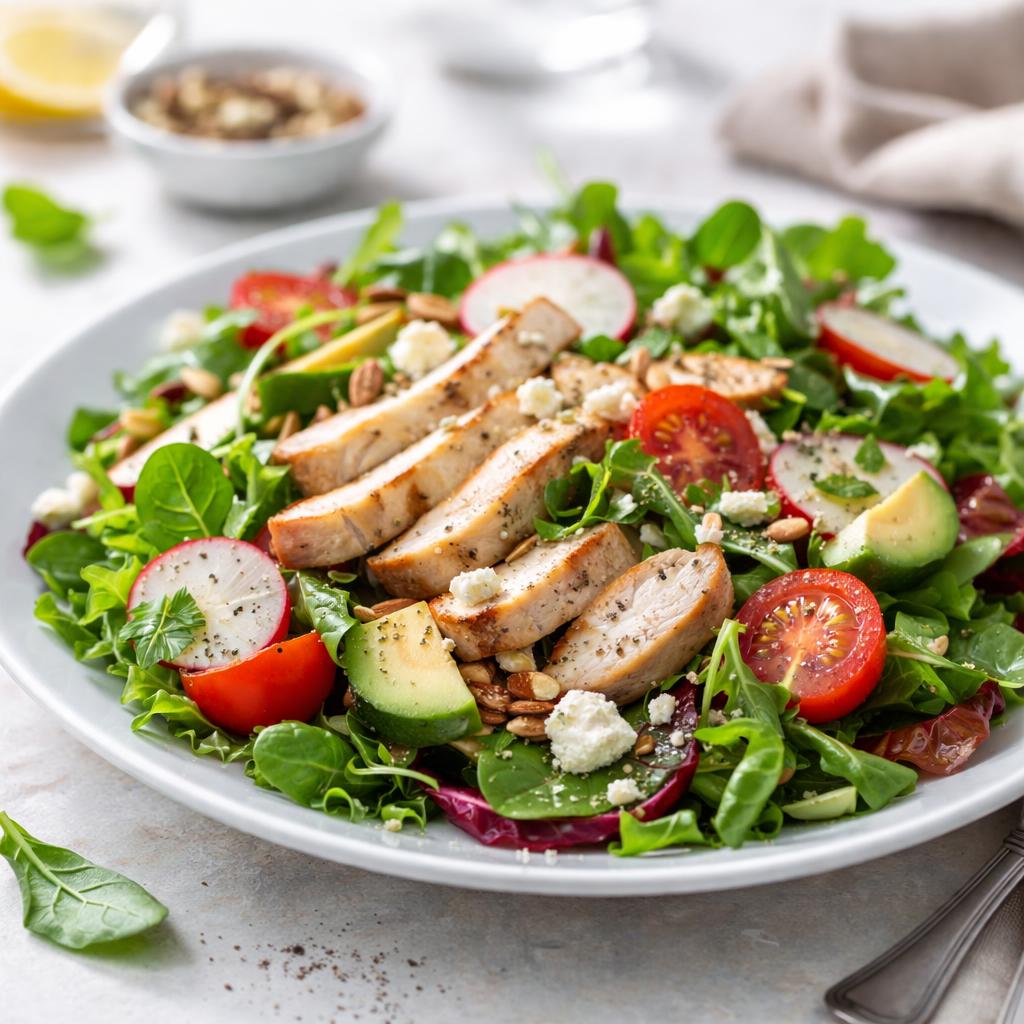
Salad
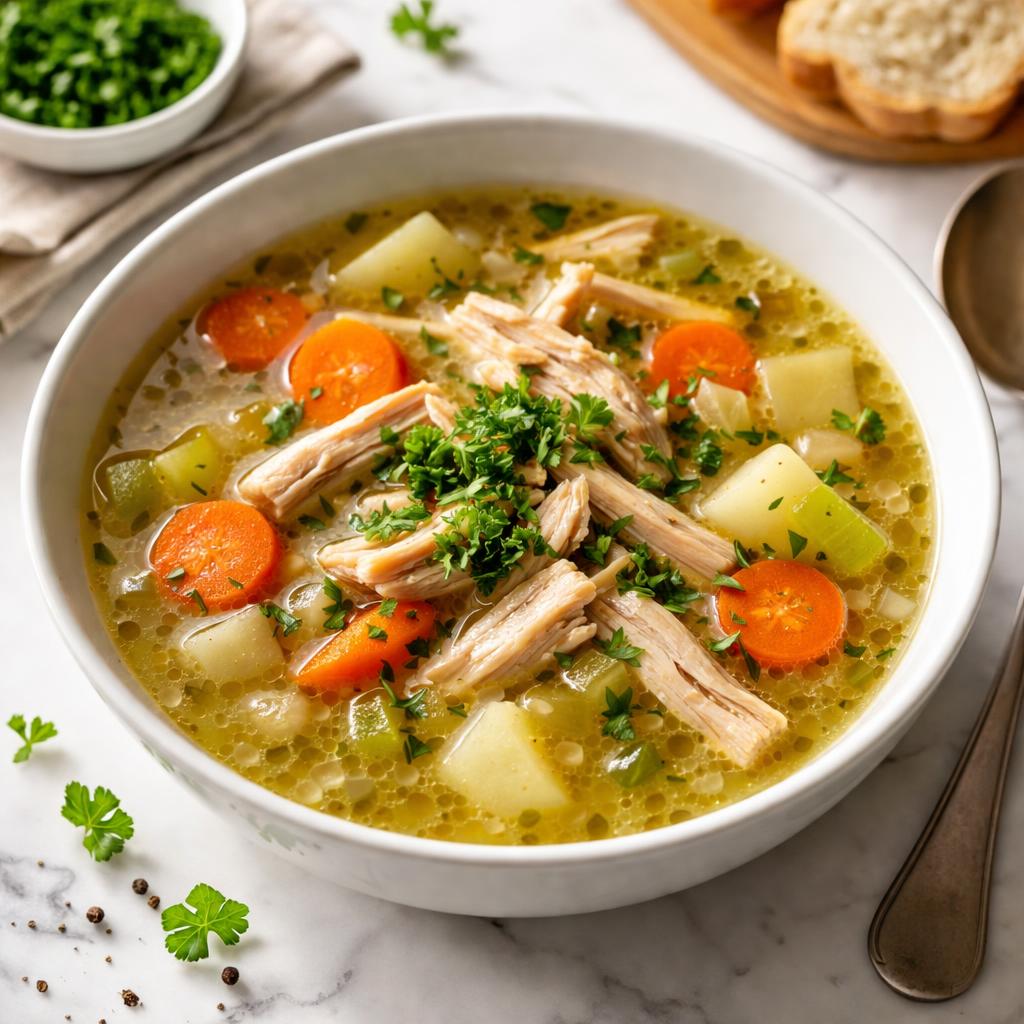
Chicken Soup
🎯 Quick Verdict
Salad and chicken soup both offer unique nutritional advantages. Salad is a lower-calorie, fiber-rich option suitable for weight loss and digestion. Chicken soup, on the other hand, is protein-rich and offers warmth, comfort, and support for muscle maintenance, beneficial for recovery meals or colder days. Each serves different dietary goals and contexts well.

Smart Nutrition Tracking with SnapCalorie

📊 Nutritional Comparison
Macronutrients
| Nutrient | Food 1 | Food 2 | Winner |
|---|---|---|---|
| Calories | 120 | 150 | ✓ |
| Protein | 3g | 10g | ✓ |
| Carbs | 12g | 8g | ✓ |
| Fat | 7g | 5g | ✓ |
| Fiber | 4g | 1g | ✓ |
Vitamins & Minerals
| Nutrient | Food 1 | Food 2 | Winner |
|---|---|---|---|
| Vitamin C | 20mg | 4mg | ✓ |
| Iron | 1mg | 1.5mg | ✓ |
| Calcium | 60mg | 30mg | ✓ |
🏆 Category Winners
Protein
Chicken soup contains over three times more protein per serving (10g vs 3g).
Fiber
Salad provides 4g fiber, which is four times that of chicken soup.
Calories
Salad has fewer calories per serving, suitable for weight management.
Vitamins
Salad offers significantly more Vitamin C and calcium overall.
🥗 Diet Compatibility
Keto
Food 1: Not Compatible
Food 2: Compatible
Chicken soup is lower in carbs compared to salad.
Vegan
Food 1: Compatible
Food 2: Not Compatible
Salad is plant-based, whereas chicken soup contains animal protein.
Gluten Free
Food 1: Compatible
Food 2: Compatible
Neither food traditionally contains gluten.
Paleo
Food 1: Compatible
Food 2: Compatible
Both foods align with clean Paleo principles.
Low-Carb
Food 1: Not Compatible
Food 2: Compatible
Chicken soup is lower in carbohydrates than salad.
💪 Health Benefits Comparison
Food 1 Benefits
- Rich in fiber for digestive health
- Provides Vitamin C for immune support
- Low-calorie option for weight management
- Contains antioxidants for cell protection
Food 2 Benefits
- High in protein for muscle maintenance
- Supports hydration with its broth base
- Provides warmth and comfort, especially in cold or flu seasons
- Delivers iron for energy and oxygen transport
✅ The Bottom Line
Choose salad for a light, fiber-rich meal ideal for digestion and calorie control. Opt for chicken soup when you seek higher protein, warmth, and hearty nourishment in recovery or cooler days.
Choose Food 1 for: Weight loss, digestion, immune boosting
Choose Food 2 for: Muscle recovery, comfort, hydration


