Salad VS Calamari
A detailed nutritional comparison
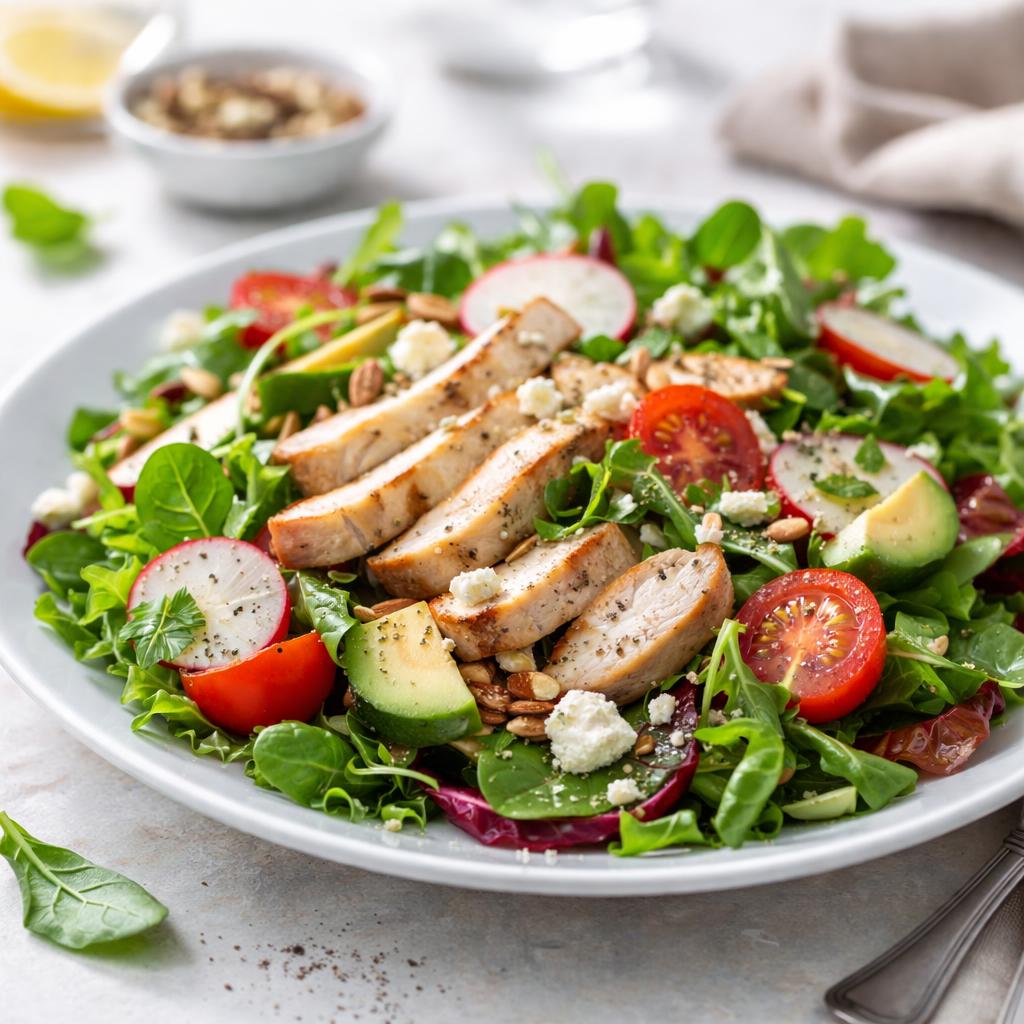
Salad
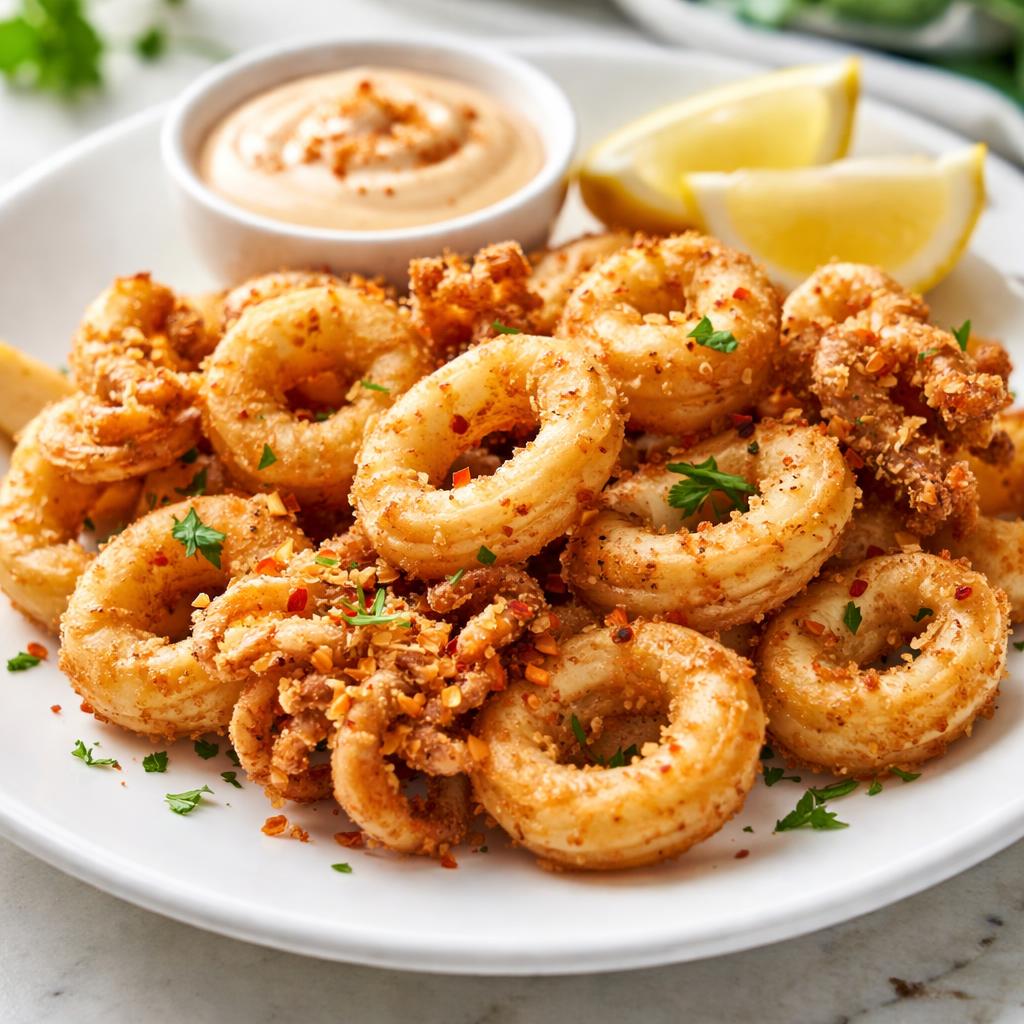
Calamari
🎯 Quick Verdict
Calamari is protein-rich and calorie-dense, making it ideal for muscle maintenance and energy-dense meals. Salad contains fewer calories and more fiber, supporting weight loss and digestion. Choose salad for light meals and calamari for energy recovery or higher nutrient density.

Smart Nutrition Tracking with SnapCalorie

📊 Nutritional Comparison
Macronutrients
| Nutrient | Food 1 | Food 2 | Winner |
|---|---|---|---|
| Calories | 50 | 150 | ✓ |
| Protein | 2g | 10g | ✓ |
| Carbs | 10g | 7g | ✓ |
| Fat | 1g | 9g | ✓ |
| Fiber | 3g | 0g | ✓ |
Vitamins & Minerals
| Nutrient | Food 1 | Food 2 | Winner |
|---|---|---|---|
| Vitamin D | 0mcg | 2mcg | ✓ |
| Calcium | 40mg | 70mg | ✓ |
| Iron | 1mg | 4mg | ✓ |
| Vitamin C | 20mg | 0mg | ✓ |
🏆 Category Winners
Protein
Calamari has 5 times more protein than salad.
Fiber
Salad contains 3g of fiber, while calamari has none.
Calories
Salad has 67% fewer calories than calamari.
Vitamins
Calamari has higher levels of Vitamin D, calcium, and iron.
🥗 Diet Compatibility
Keto
Food 1: Not Compatible
Food 2: Compatible
Calamari is low-carb, while salad is high in carbs due to vegetables and dressing.
Vegan
Food 1: Compatible
Food 2: Not Compatible
Salad is plant-based, but calamari is animal-derived.
Gluten Free
Food 1: Compatible
Food 2: Compatibility depends on preparation
Salad is naturally gluten-free, but calamari may be breaded.
Paleo
Food 1: Compatible
Food 2: Compatible
Both salad and unbreaded calamari align with paleo principles.
Low Carb
Food 1: Not Compatible
Food 2: Compatible
Calamari contains only 7g carbs, while salad typically contains 10g or more.
💪 Health Benefits Comparison
Food 1 Benefits
- High in fiber to support digestion
- Low in calories, ideal for weight management
- Rich in vitamin C for immune health
Food 2 Benefits
- High in protein for muscle maintenance
- Provides essential fatty acids for brain health
- Contains vitamin D, calcium, and iron for bone and blood health
✅ The Bottom Line
Salad is best suited for weight loss and digestion due to its low calories and high fiber. Calamari is ideal for protein needs, muscle recovery, and nutrient-dense meals. Choose salad for light, plant-based options and calamari for energy-dense meals or recovery after a workout.
Choose Food 1 for: Weight loss, vegan diets, digestion support
Choose Food 2 for: Muscle recovery, low-carb or keto diets, nutrient density


