Salad VS Beans
A detailed nutritional comparison
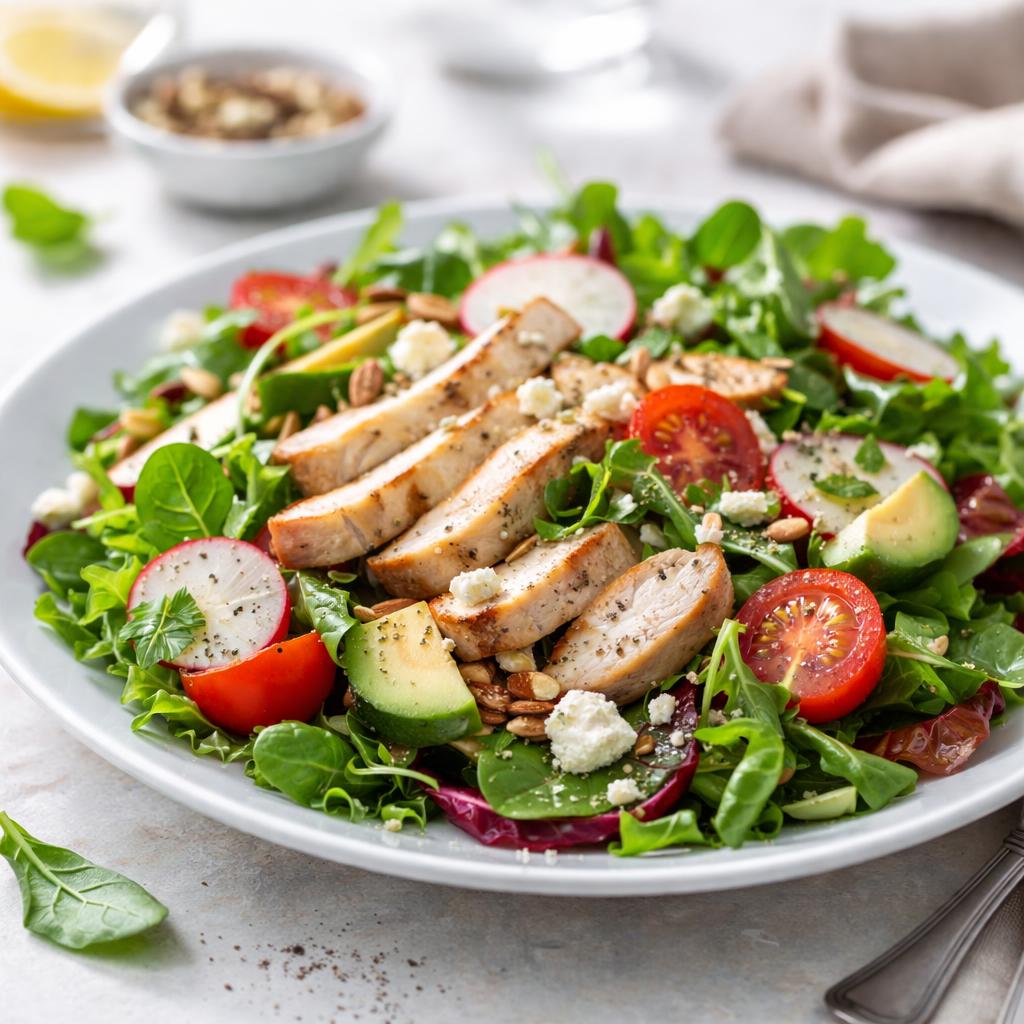
Salad
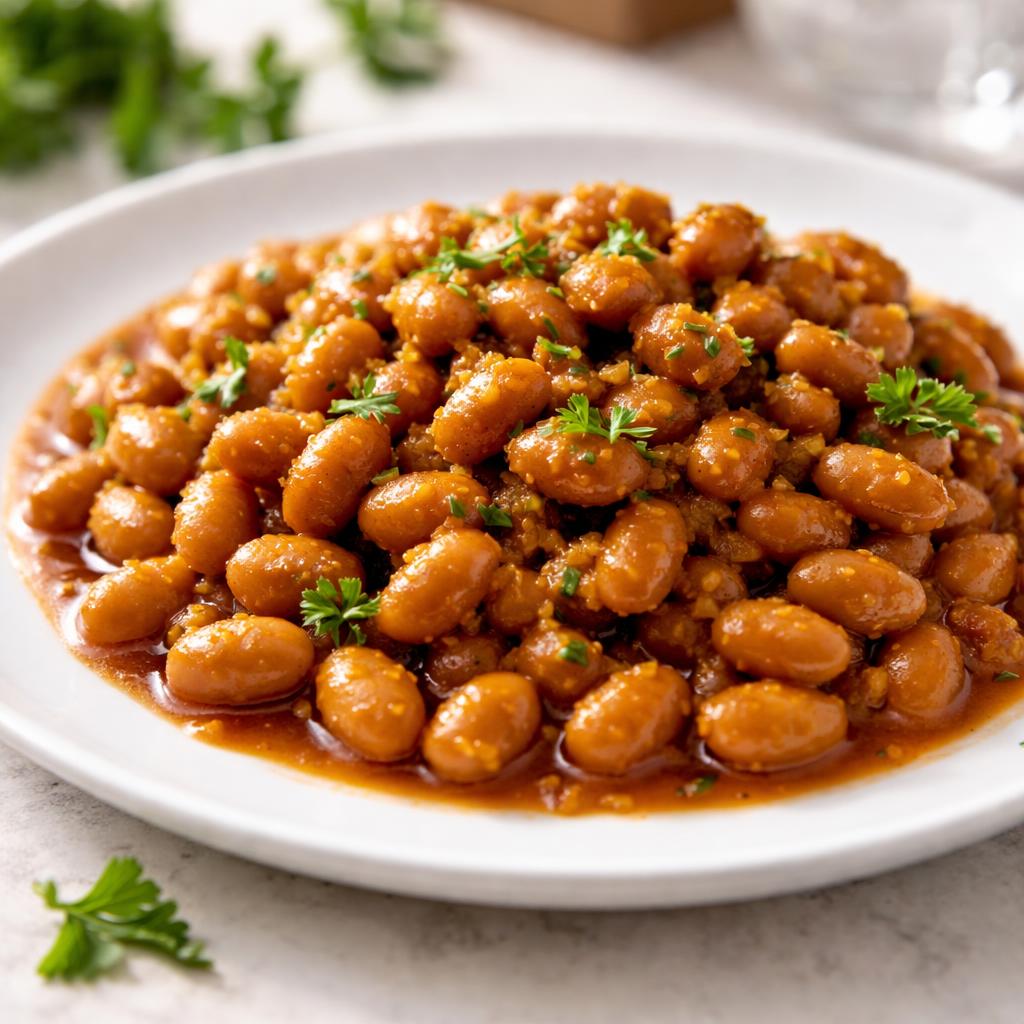
Beans
🎯 Quick Verdict
Beans are nutrient-dense with significantly higher protein and fiber content, making them ideal for sustained energy and satiety. Salad is lower in calories, making it suitable for weight loss and light meals. Both are excellent choices for plant-based diets but serve very different nutritional needs.

Smart Nutrition Tracking with SnapCalorie

📊 Nutritional Comparison
Macronutrients
| Nutrient | Food 1 | Food 2 | Winner |
|---|---|---|---|
| Calories | 50 | 130 | ✓ |
| Protein | 2g | 9g | ✓ |
| Carbs | 7g | 25g | ✓ |
| Fat | 0g | 0.8g | ✓ |
| Fiber | 2g | 8g | ✓ |
Vitamins & Minerals
| Nutrient | Food 1 | Food 2 | Winner |
|---|---|---|---|
| Vitamin A | 120mcg | 1mcg | ✓ |
| Vitamin C | 15mg | 2mg | ✓ |
| Iron | 0.5mg | 3mg | ✓ |
| Calcium | 15mg | 60mg | ✓ |
🏆 Category Winners
Protein
Beans have 4.5x more protein per serving than salad.
Fiber
Beans provide 4x more fiber for digestion support.
Calories
Salad is significantly lower in calories (less than half of beans).
Vitamins
Salad excels in Vitamin A and C, while beans are better sources for Iron and Calcium.
🥗 Diet Compatibility
Keto
Food 1: Compatible
Food 2: Not Compatible
Salad is naturally low-carb, while beans have a higher carb content.
Vegan
Food 1: Compatible
Food 2: Compatible
Both are plant-based and vegan-friendly.
Gluten Free
Food 1: Compatible
Food 2: Compatible
Neither contains gluten.
Paleo
Food 1: Compatible
Food 2: Not Compatible
Beans are excluded from most paleo diets.
Low-Carb
Food 1: Compatible
Food 2: Not Compatible
Salad is lower in carbs and more suited for low-carb diets.
💪 Health Benefits Comparison
Food 1 Benefits
- Low-calorie option for weight management
- Rich in Vitamin A for eye health
- Vitamin C boosts immunity and skin health
- Hydrating due to high water content
Food 2 Benefits
- High in protein for muscle repair and satiety
- Excellent source of fiber for digestive health
- Rich in Iron for oxygen transport in blood
- Contains complex carbs for sustainable energy
✅ The Bottom Line
Choose salad for low-calorie meals or side dishes, especially when following keto, paleo, or low-carb diets. Opt for beans when prioritizing protein, fiber, and sustained energy, making them ideal for vegetarian, vegan, or nutrient-dense meals.
Choose Food 1 for: Weight loss, keto diets, paleo-compatible meals, light meals
Choose Food 2 for: Vegetarian diets, muscle-building, sustained energy, nutrient-dense meals


