Salad VS Bacon Bits
A detailed nutritional comparison
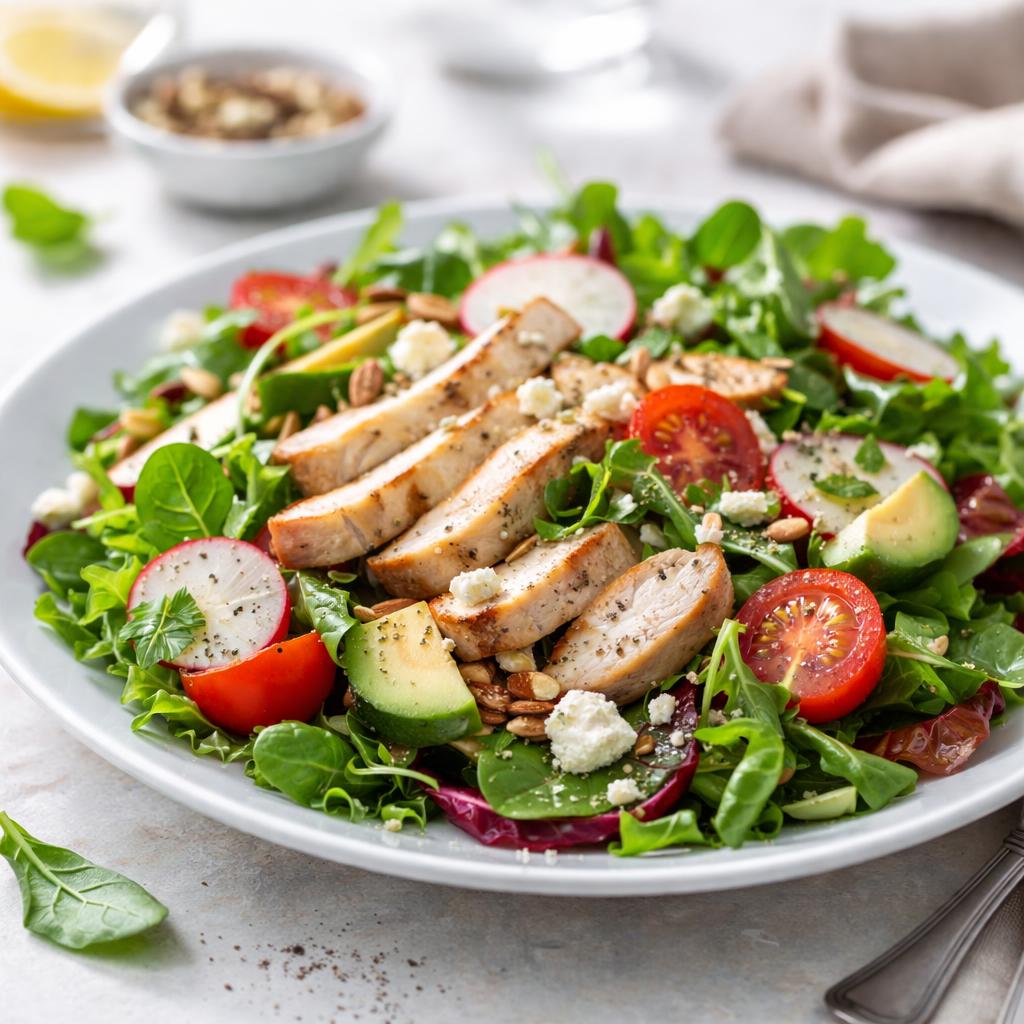
Salad
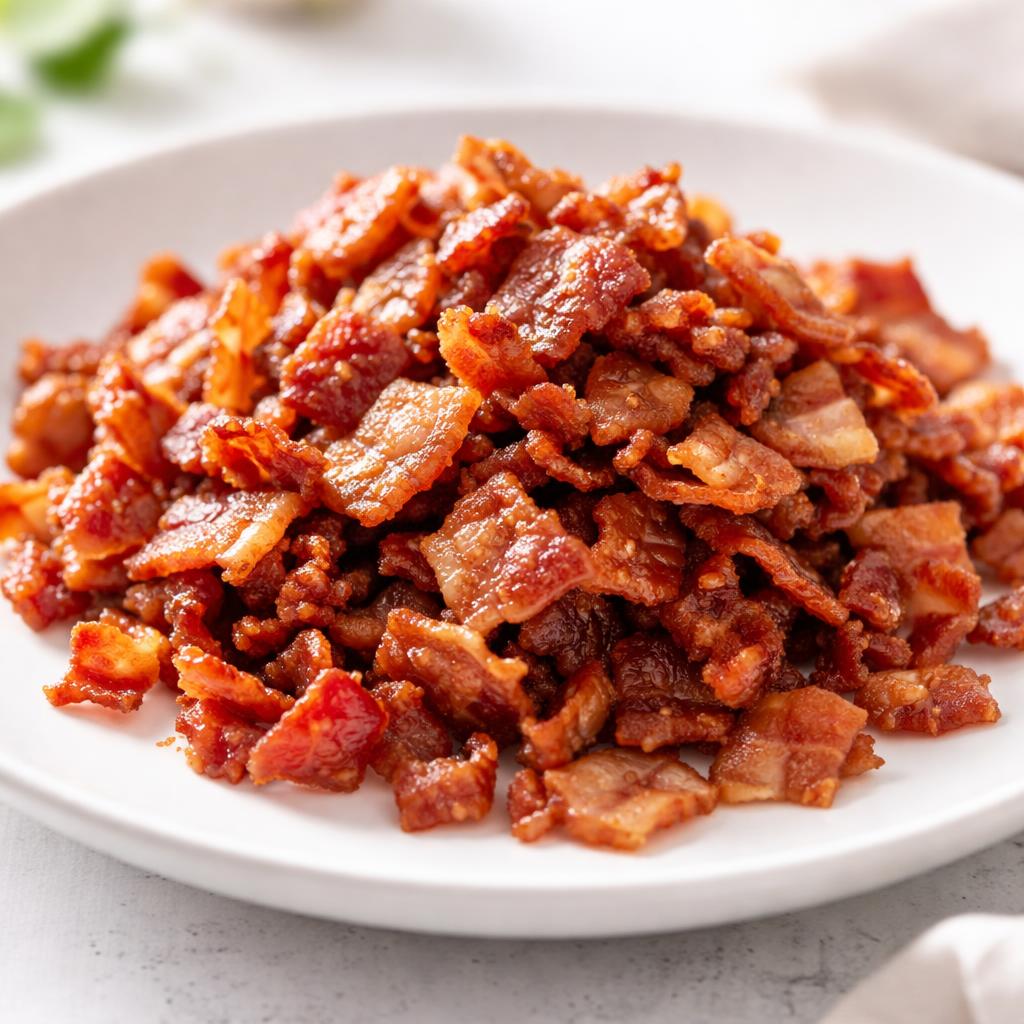
Bacon Bits
🎯 Quick Verdict
Salad is a low-calorie, high-fiber food, making it ideal for weight management and digestive health. Bacon bits are high in protein and fat, providing energy and flavor but with significantly more calories and saturated fat. Salad is well-suited for nutrient-dense meals, while bacon bits work better as a topping in moderation.

Smart Nutrition Tracking with SnapCalorie

📊 Nutritional Comparison
Macronutrients
| Nutrient | Food 1 | Food 2 | Winner |
|---|---|---|---|
| Calories | 25 (per 1 cup) | 150 (per 2 tbsp) | ✓ |
| Protein | 2g | 10g | ✓ |
| Carbs | 4g | 0g | ✓ |
| Fat | 0.2g | 12g | ✓ |
| Fiber | 2g | 0g | ✓ |
Vitamins & Minerals
| Nutrient | Food 1 | Food 2 | Winner |
|---|---|---|---|
| Vitamin A | 133mcg (15% DV) | 0mcg | ✓ |
| Vitamin C | 9mg (10% DV) | 0mg | ✓ |
| Vitamin D | 0mcg | 0mcg | − |
| Iron | 0.5mg (3% DV) | 0.3mg (2% DV) | ✓ |
🏆 Category Winners
Protein
Bacon bits provide 5x more protein than salad.
Fiber
Salad is a good source of fiber, while bacon bits provide none.
Calories
Salad is very low in calories, while bacon bits are calorie-dense.
Vitamins
Salad has significantly more vitamins like A and C compared to bacon bits.
🥗 Diet Compatibility
Keto
Food 1: Compatible
Food 2: Compatible
Both are low-carb options.
Vegan
Food 1: Compatible
Food 2: Not Compatible
Salad is plant-based, while bacon bits are animal-derived.
Gluten Free
Food 1: Compatible
Food 2: Depends
Salad is naturally gluten-free, but bacon bits may contain additives with gluten.
Paleo
Food 1: Compatible
Food 2: Not Compatible
Salad follows paleo guidelines, but processed bacon bits are not allowed.
Low-Carb
Food 1: Compatible
Food 2: Compatible
Both are low in carbohydrates.
💪 Health Benefits Comparison
Food 1 Benefits
- Provides vitamins A and C for immunity and eye health.
- Low in calories, supporting weight management.
- High in fiber for digestive health and satiety.
Food 2 Benefits
- Rich source of protein for muscle repair and energy.
- Contains fat for long-lasting energy.
- Provides flavor enhancement to dishes.
✅ The Bottom Line
Choose salad for its nutrient density, weight loss, and digestive benefits. Opt for bacon bits in moderation as a protein-rich topping to add flavor and texture. Pair the two for a balanced dish focused on both taste and nutrition.
Choose Food 1 for: Weight management, vegan diets, nutrient-dense meals
Choose Food 2 for: Protein boost, keto meals, flavor enhancement


