Salad VS Apricots
A detailed nutritional comparison
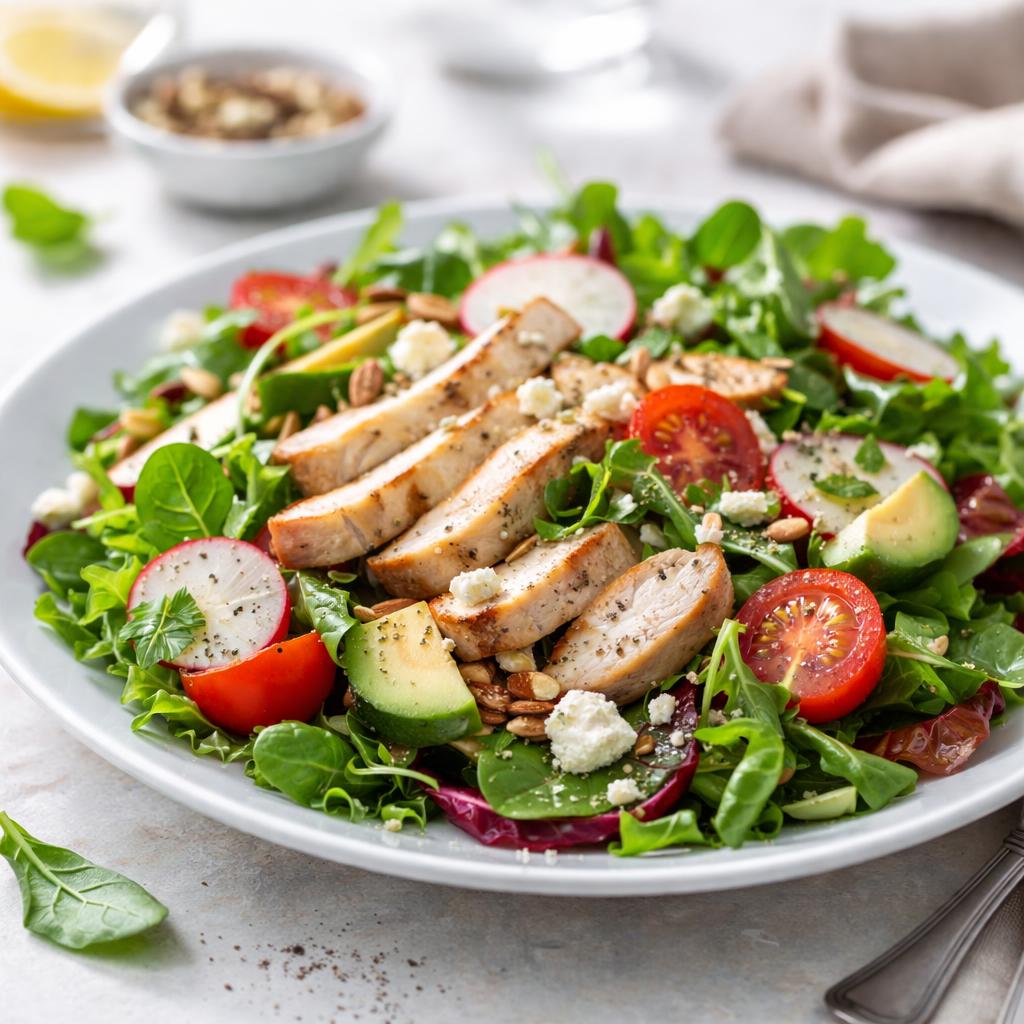
Salad
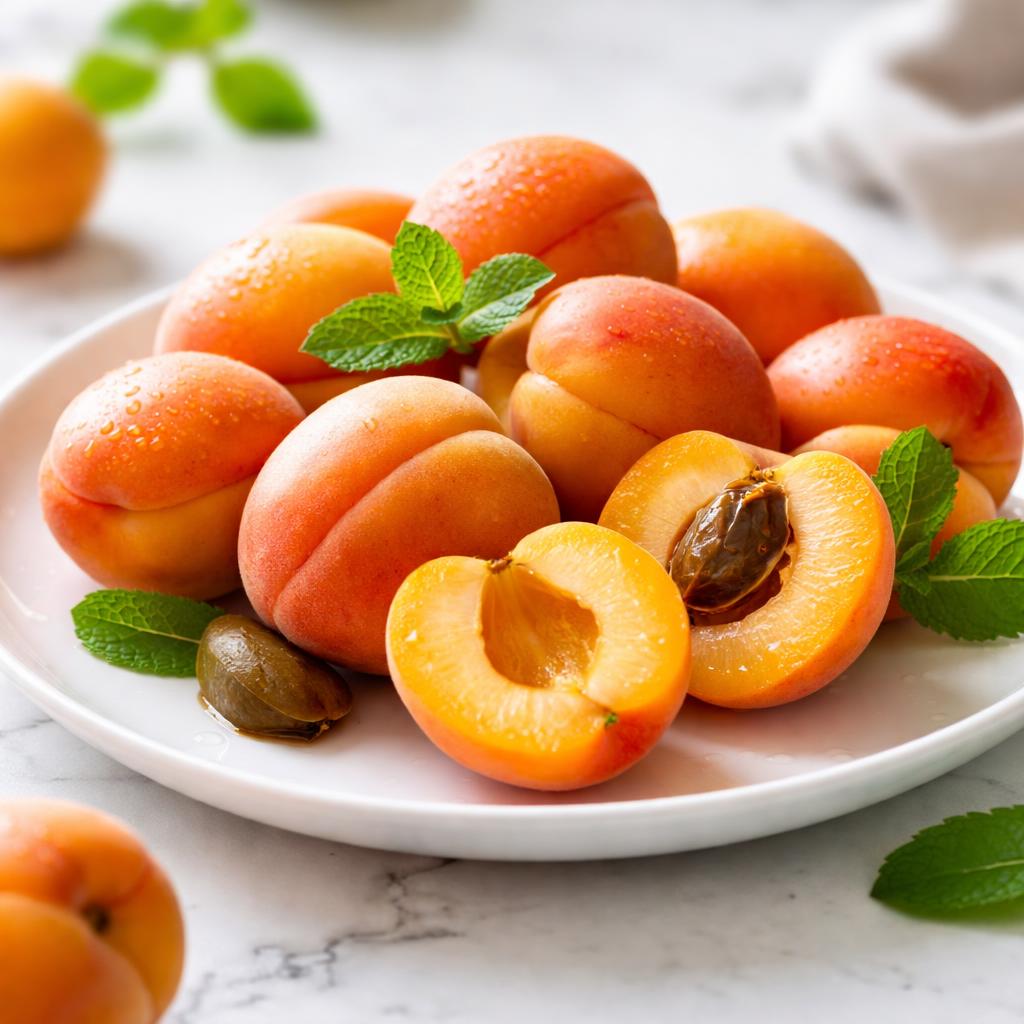
Apricots
🎯 Quick Verdict
Salad is a low-calorie, nutrient-dense option that excels in protein and fiber content compared to apricots. Apricots are higher in carbohydrates, natural sugars, and provide a sweeter option packed with antioxidants. Salad is ideal for weight loss and high-protein diets, while apricots suit nutrient-rich snacks and energy replenishment.

Smart Nutrition Tracking with SnapCalorie

📊 Nutritional Comparison
Macronutrients
| Nutrient | Food 1 | Food 2 | Winner |
|---|---|---|---|
| Calories | 35 per cup | 85 per 4 apricots (150g) | ✓ |
| Protein | 2g per cup | 1g per 4 apricots | ✓ |
| Carbs | 5g per cup | 22g per 4 apricots | ✓ |
| Fat | 0.2g per cup | 0.3g per 4 apricots | − |
| Fiber | 3g per cup | 3g per 4 apricots | − |
Vitamins & Minerals
| Nutrient | Food 1 | Food 2 | Winner |
|---|---|---|---|
| Vitamin A | 141mcg | 1920mcg | ✓ |
| Vitamin C | 15mg | 10mg | ✓ |
| Potassium | 180mg | 380mg | ✓ |
| Calcium | 22mg | 13mg | ✓ |
| Iron | 0.3mg | 0.4mg | ✓ |
🏆 Category Winners
Protein
Salad contains twice the protein per serving compared to apricots.
Fiber
Both foods provide an equal amount of dietary fiber.
Calories
Salad has significantly lower calories per serving compared to apricots.
Vitamins
Apricots are substantially richer in Vitamin A and potassium.
🥗 Diet Compatibility
Keto
Food 1: Compatible
Food 2: Not Compatible
Salad is low-carb with only 5g of carbs per serving.
Vegan
Food 1: Compatible
Food 2: Compatible
Both foods are plant-based.
Gluten Free
Food 1: Compatible
Food 2: Compatible
Neither contains gluten.
Paleo
Food 1: Compatible
Food 2: Compatible
Both are whole, unprocessed foods.
Low-Carb
Food 1: Compatible
Food 2: Not Compatible
Salad is naturally very low in carbohydrates.
💪 Health Benefits Comparison
Food 1 Benefits
- Low in calories, perfect for weight management
- Rich in fiber for healthy digestion
- Source of Vitamin C, boosting immune system health
Food 2 Benefits
- High in Vitamin A, essential for eye health
- Contains potassium for improved heart function
- Natural sugars for quick energy replenishment
✅ The Bottom Line
Salad is a great choice for those seeking low-calorie, nutrient-dense options for weight loss or part of a high-protein diet, especially when paired with lean protein. Apricots make an excellent snack for energy boosts and nutrient-rich sweetness but may not fit low-carb or keto diets.
Choose Food 1 for: Low-calorie meals, digestion support, vitamin C intake
Choose Food 2 for: Snacks, quick energy, eye health, potassium intake


