Rye Bread VS Wholewheat Bread
A detailed nutritional comparison
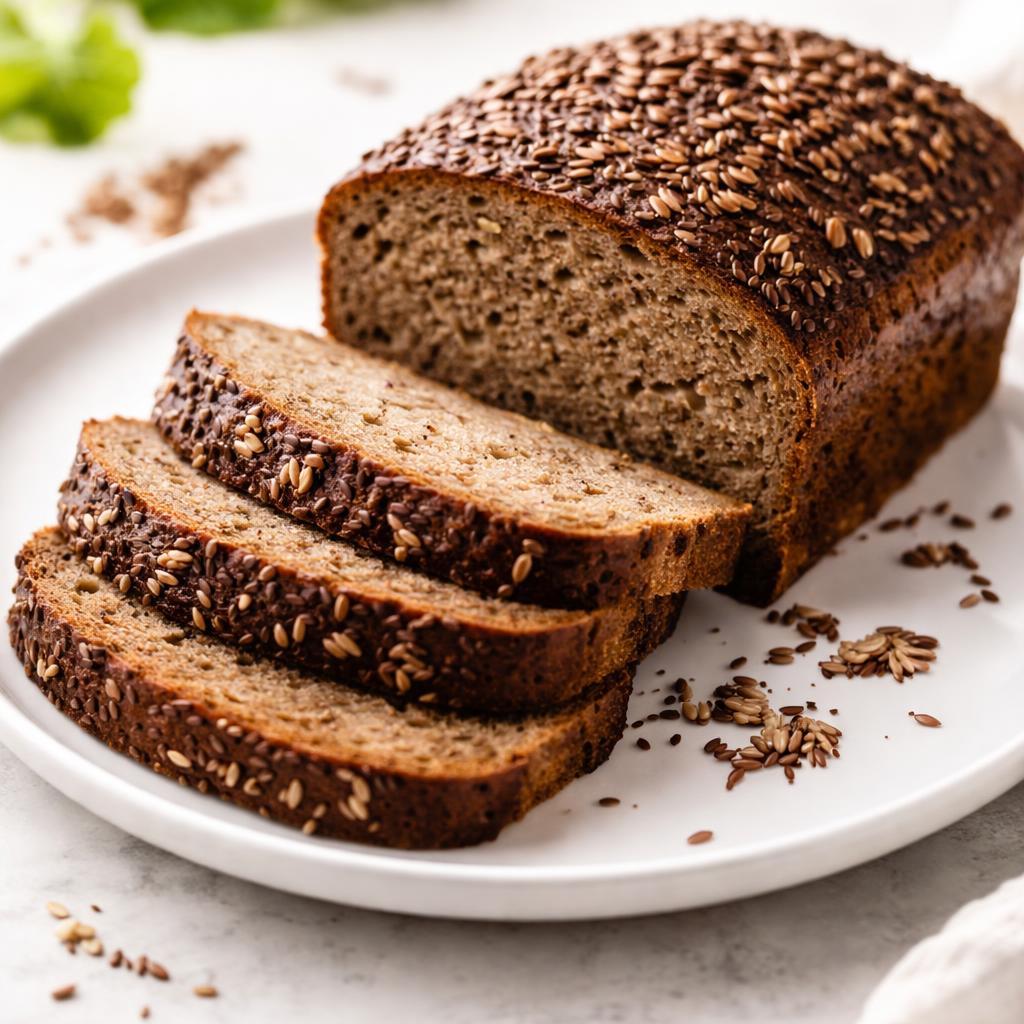
Rye Bread
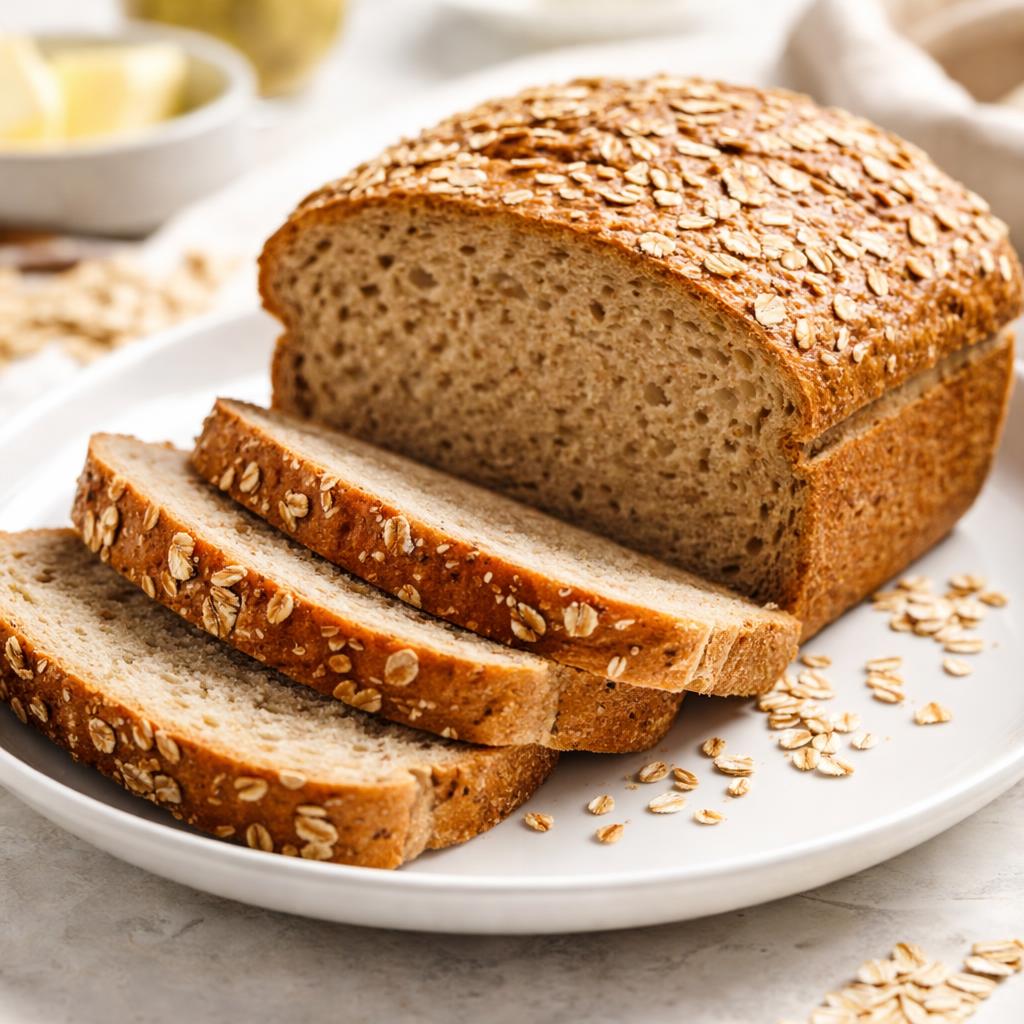
Wholewheat Bread
🎯 Quick Verdict
Rye bread stands out with its higher protein and fiber content, providing strong support for digestion and satiety. Wholewheat bread edges ahead overall due to slightly higher vitamin content and versatility for pairing. Both are nutritious options but suit different purposes depending on dietary priorities.

Smart Nutrition Tracking with SnapCalorie

📊 Nutritional Comparison
Macronutrients
| Nutrient | Food 1 | Food 2 | Winner |
|---|---|---|---|
| Calories | 65 per slice | 68 per slice | − |
| Protein | 3g per slice | 2.5g per slice | − |
| Carbs | 12g per slice | 13g per slice | − |
| Fat | 0.8g per slice | 0.9g per slice | − |
| Fiber | 1.9g per slice | 1.6g per slice | − |
Vitamins & Minerals
| Nutrient | Food 1 | Food 2 | Winner |
|---|---|---|---|
| Vitamin B6 | 0.04mg per slice | 0.05mg per slice | − |
| Magnesium | 16mg per slice | 22mg per slice | − |
| Iron | 0.8mg per slice | 0.6mg per slice | − |
🏆 Category Winners
Protein
Rye bread has 20% more protein per slice.
Fiber
Rye bread contains 18% more fiber per slice.
Calories
Both breads are comparable in terms of calorie content per serving.
Vitamins
Wholewheat bread provides higher magnesium and B vitamins.
🥗 Diet Compatibility
Keto
Food 1: Not Compatible
Food 2: Not Compatible
Both are high-carb and not suitable for keto diets.
Vegan
Food 1: Compatible
Food 2: Compatible
Both are plant-based and vegan-friendly.
Gluten Free
Food 1: Not Compatible
Food 2: Not Compatible
Neither is gluten-free due to wheat and rye content.
Paleo
Food 1: Not Compatible
Food 2: Not Compatible
Both are grain-based, which is excluded in paleo diets.
Low-Carb
Food 1: Not Compatible
Food 2: Not Compatible
Both contain moderate to high carbohydrate levels.
💪 Health Benefits Comparison
Food 1 Benefits
- High in fiber for improved digestion and gut health
- Rich in protein for muscle support
- Contains lignans, which may protect against heart disease
Food 2 Benefits
- Good source of magnesium for bone health
- Contains B vitamins, supporting energy metabolism
- Helps balance blood sugar levels due to slower digestion of whole grains
✅ The Bottom Line
Both rye and wholewheat breads are excellent choices for a balanced diet, yet they meet different needs. Rye bread is better for those prioritizing high protein and fiber intake for digestion and satiety, while wholewheat bread provides a broader range of vitamins and minerals for overall nutrition.
Choose Food 1 for: Digestive health, higher protein diets, hearty sandwiches
Choose Food 2 for: Balanced energy, broad nutrient coverage, versatile meal options


