Rye Bread VS Whole Wheat Spaghetti
A detailed nutritional comparison
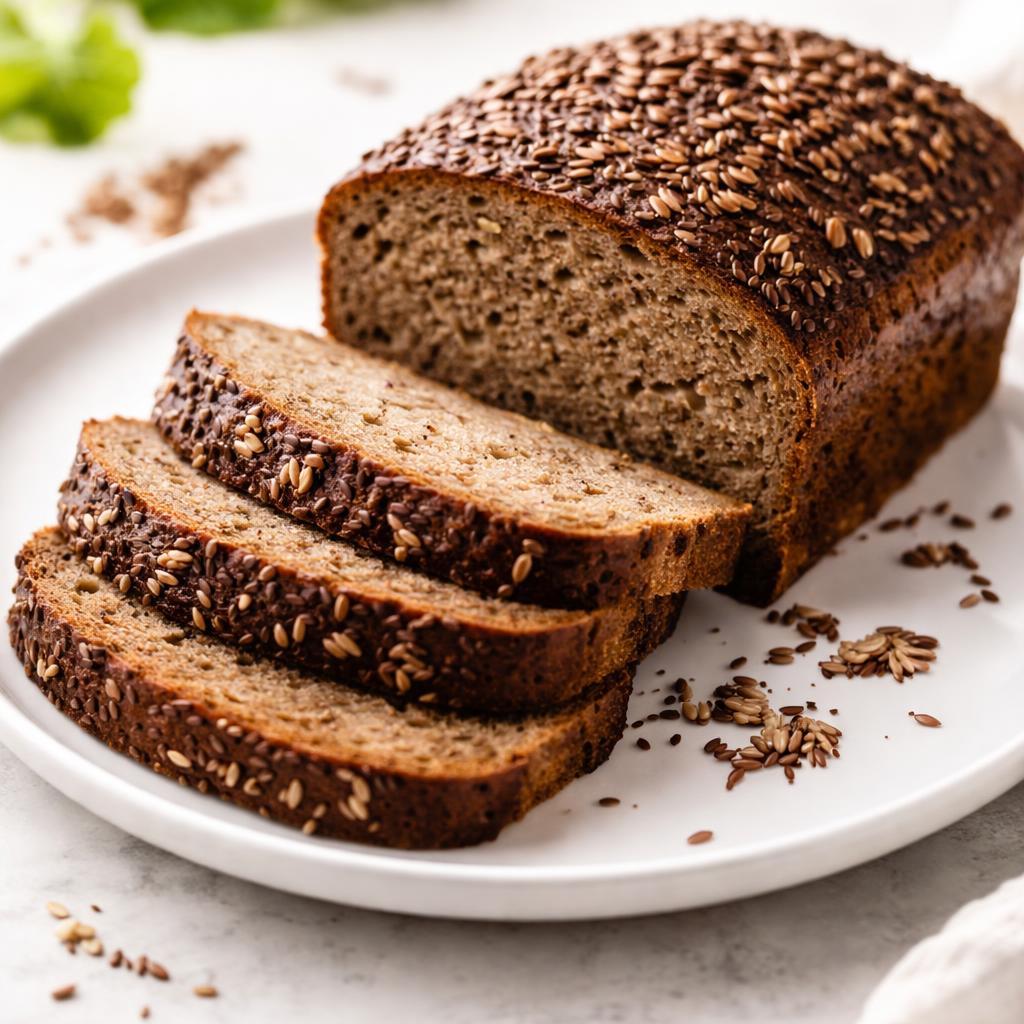
Rye Bread
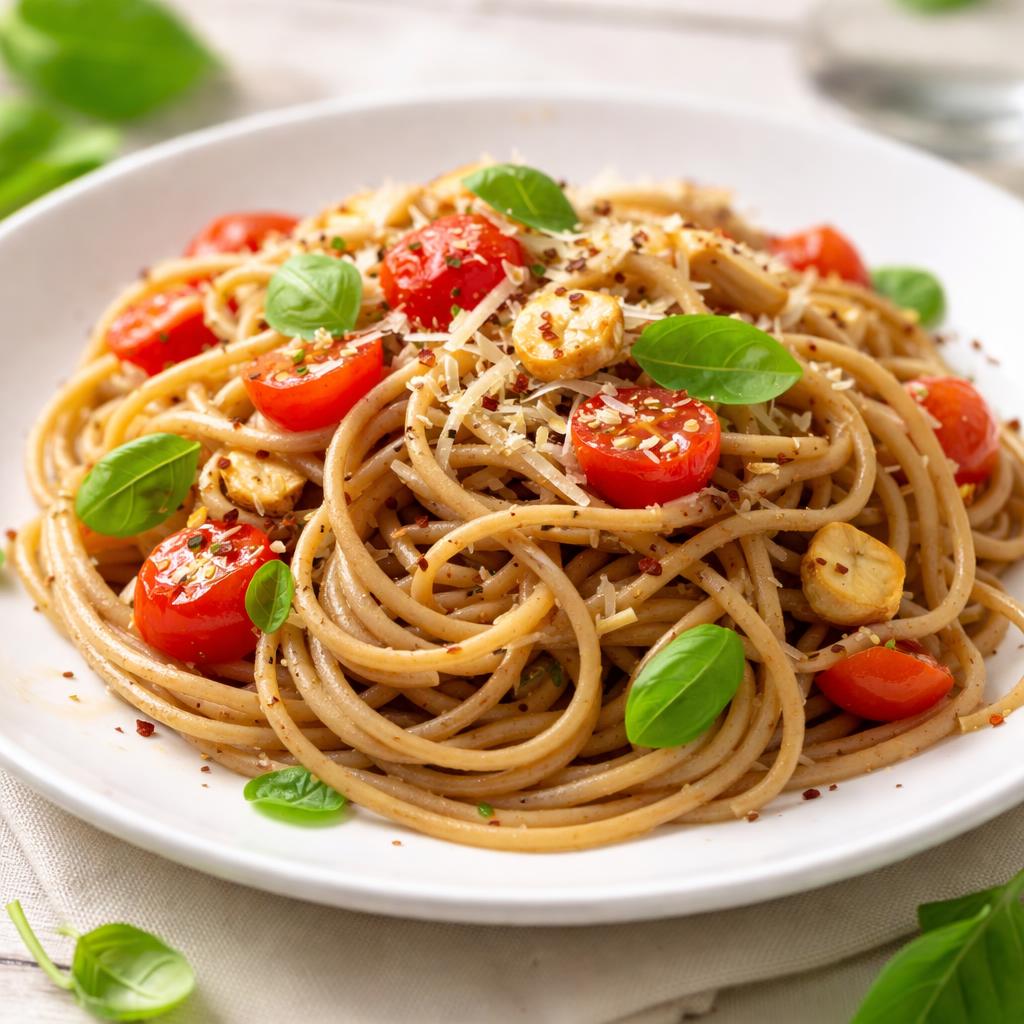
Whole Wheat Spaghetti
🎯 Quick Verdict
Rye bread and whole wheat spaghetti are both nutrient-dense options, but they differ in composition and use cases. Rye bread is lower in calories and higher in fiber, making it ideal for digestion and weight management. Whole wheat spaghetti provides more protein per serving and is a great choice for energy and muscle support. Both are versatile for healthy diets, but their practical applications vary significantly.

Smart Nutrition Tracking with SnapCalorie

📊 Nutritional Comparison
Macronutrients
| Nutrient | Food 1 | Food 2 | Winner |
|---|---|---|---|
| Calories | 83 | 174 (per 100g cooked) | ✓ |
| Protein | 2.7g | 6.3g (per 100g cooked) | ✓ |
| Carbs | 15g | 37g (per 100g cooked) | ✓ |
| Fat | 0.6g | 0.9g (per 100g cooked) | ✓ |
| Fiber | 1.9g | 1.8g (per 100g cooked) | ✓ |
Vitamins & Minerals
| Nutrient | Food 1 | Food 2 | Winner |
|---|---|---|---|
| Vitamin B6 | 0.07mg | 0.06mg | ✓ |
| Iron | 0.72mg | 0.45mg | ✓ |
| Magnesium | 16mg | 23mg | ✓ |
| Zinc | 0.33mg | 0.52mg | ✓ |
🏆 Category Winners
Protein
Whole wheat spaghetti contains more than double the protein of rye bread per serving.
Fiber
Rye bread offers slightly more fiber per serving, aiding digestion.
Calories
Rye bread is lower in calories, making it a better choice for calorie-conscious diets.
Vitamins
Both foods offer complementary vitamins and minerals with slight variations.
🥗 Diet Compatibility
Keto
Food 1: Not Compatible
Food 2: Not Compatible
Both are high in carbohydrates and unsuitable for keto diets.
Vegan
Food 1: Compatible
Food 2: Compatible
Both foods are plant-based and vegan-friendly.
Gluten Free
Food 1: Not Compatible
Food 2: Not Compatible
Both foods contain gluten and are unsuitable for gluten-free diets.
Paleo
Food 1: Not Compatible
Food 2: Not Compatible
As grains, both are excluded from paleo diets.
Low-Carb
Food 1: Not Compatible
Food 2: Not Compatible
Both are relatively high in carbs and do not fit low-carb criteria.
💪 Health Benefits Comparison
Food 1 Benefits
- Lower calorie density supports weight management
- Rich in dietary fiber for healthy digestion
- B vitamins contribute to energy production
- Provides moderate iron content needed for red blood cell formation
Food 2 Benefits
- High protein content supports muscle repair and growth
- Good source of magnesium for nerve and muscle health
- Contains zinc for immune system support
- Offers sustained energy due to complex carbohydrates
✅ The Bottom Line
Choose rye bread for a lower-calorie, fiber-rich option ideal for weight maintenance and gut health. Opt for whole wheat spaghetti as a higher-protein choice for energy and muscle recovery, especially for active lifestyles. Both foods fit well into a balanced diet but serve different nutritional goals.
Choose Food 1 for: Weight loss, high-fiber diets, snacking with low calorie density
Choose Food 2 for: Post-workout meals, energy sustenance, nutrient-rich main courses


