Rigatoni Pasta VS Cooked Pasta
A detailed nutritional comparison
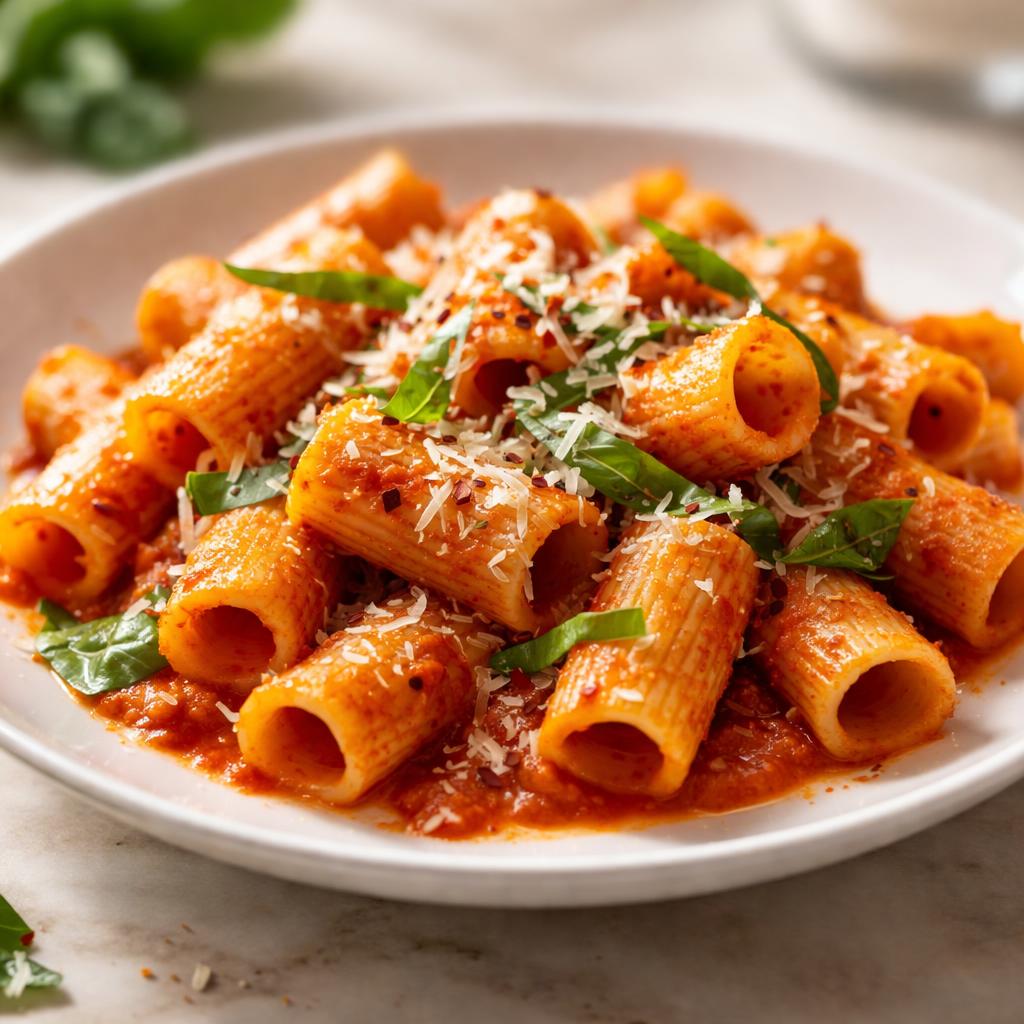
Rigatoni Pasta
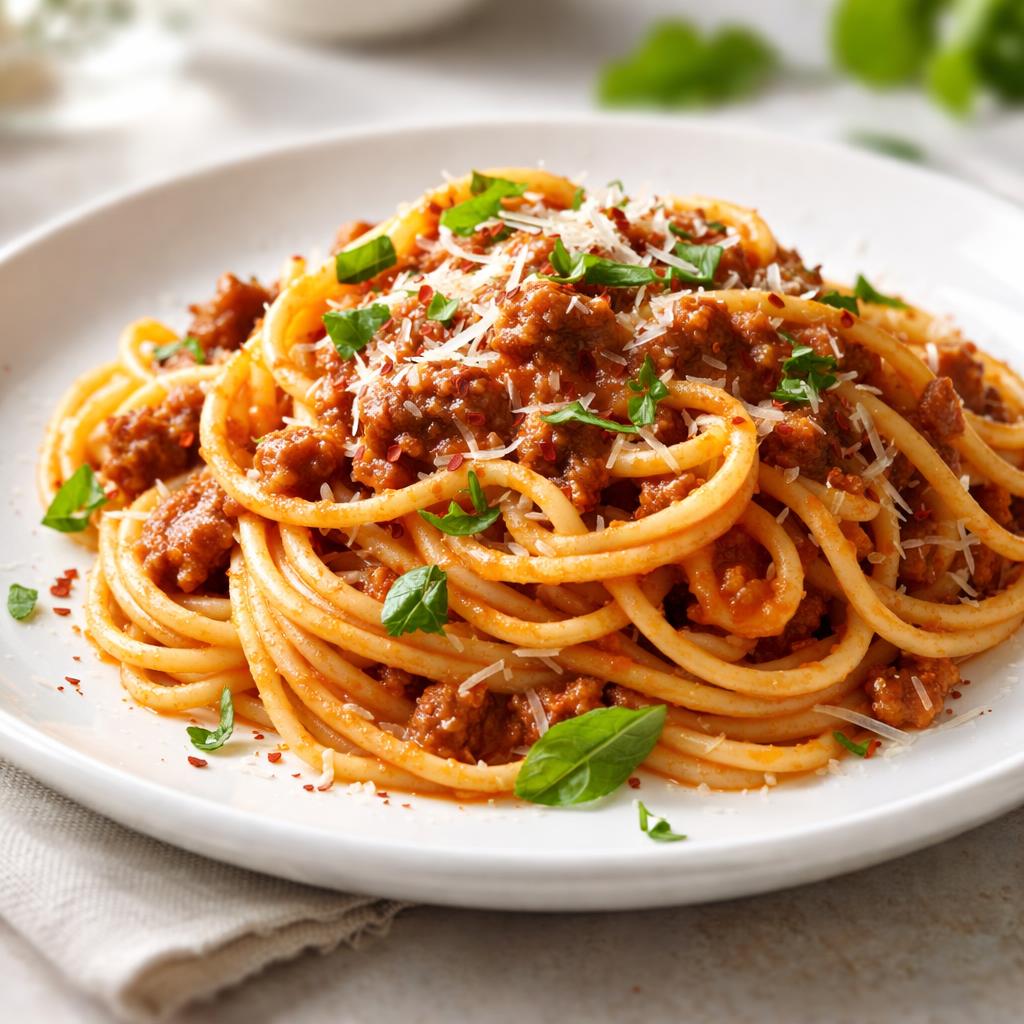
Cooked Pasta
🎯 Quick Verdict
Both rigatoni pasta and cooked pasta are nutritionally very similar, as cooked rigatoni is simply a specific type of pasta. They both provide moderate calories and carbohydrates, a small amount of protein, and minimal fiber. Best suited for energy needs or pairing with protein and vegetables for balanced meals.

Smart Nutrition Tracking with SnapCalorie

📊 Nutritional Comparison
Macronutrients
| Nutrient | Food 1 | Food 2 | Winner |
|---|---|---|---|
| Calories | 220 per 1 cup cooked | 220 per 1 cup cooked | − |
| Protein | 8g per 1 cup cooked | 8g per 1 cup cooked | − |
| Carbs | 43g per 1 cup cooked | 43g per 1 cup cooked | − |
| Fat | 1g per 1 cup cooked | 1g per 1 cup cooked | − |
| Fiber | 2g per 1 cup cooked | 2g per 1 cup cooked | − |
Vitamins & Minerals
| Nutrient | Food 1 | Food 2 | Winner |
|---|---|---|---|
| Vitamin D | 0mcg | 0mcg | − |
| Calcium | 10mg | 10mg | − |
| Iron | 1mg | 1mg | − |
🏆 Category Winners
Protein
Both foods contain equal protein per serving.
Fiber
Both provide equal amounts of dietary fiber.
Calories
Both foods contain the same caloric content per serving.
🥗 Diet Compatibility
Keto
Food 1: Not Compatible
Food 2: Not Compatible
Both are high in carbohydrates and unsuitable for keto diets.
Vegan
Food 1: Compatible
Food 2: Compatible
Both are made from plant-based ingredients (assuming no egg-based pasta).
Gluten Free
Food 1: Not Compatible
Food 2: Not Compatible
Unless made with gluten-free flour, both contain gluten.
Paleo
Food 1: Not Compatible
Food 2: Not Compatible
Traditional pasta does not fit paleo dietary guidelines.
Low Carb
Food 1: Not Compatible
Food 2: Not Compatible
High carbohydrate content excludes both from low-carb diets.
💪 Health Benefits Comparison
Food 1 Benefits
- Provides steady energy due to carbohydrate content.
- Contains a small yet valuable amount of protein.
- Low in fat, supporting heart health when combined with other healthy foods.
Food 2 Benefits
- Offers sustained release energy for activity and concentration.
- Serves as a good base for nutrient-rich meals when paired with vegetables and protein.
- Easy to digest and versatile for a variety of cuisines.
✅ The Bottom Line
Both foods are virtually identical nutritionally. Choose either for energy needs, but pair with nutrient-rich toppings or sides for a well-balanced meal.
Choose Food 1 for: Creating hearty dishes with rigatoni's unique shape, such as baked pasta meals.
Choose Food 2 for: Versatility in a variety of cuisines and dishes where any pasta type is suitable.


