Rice With Vegetables VS Whole Wheat Bread
A detailed nutritional comparison
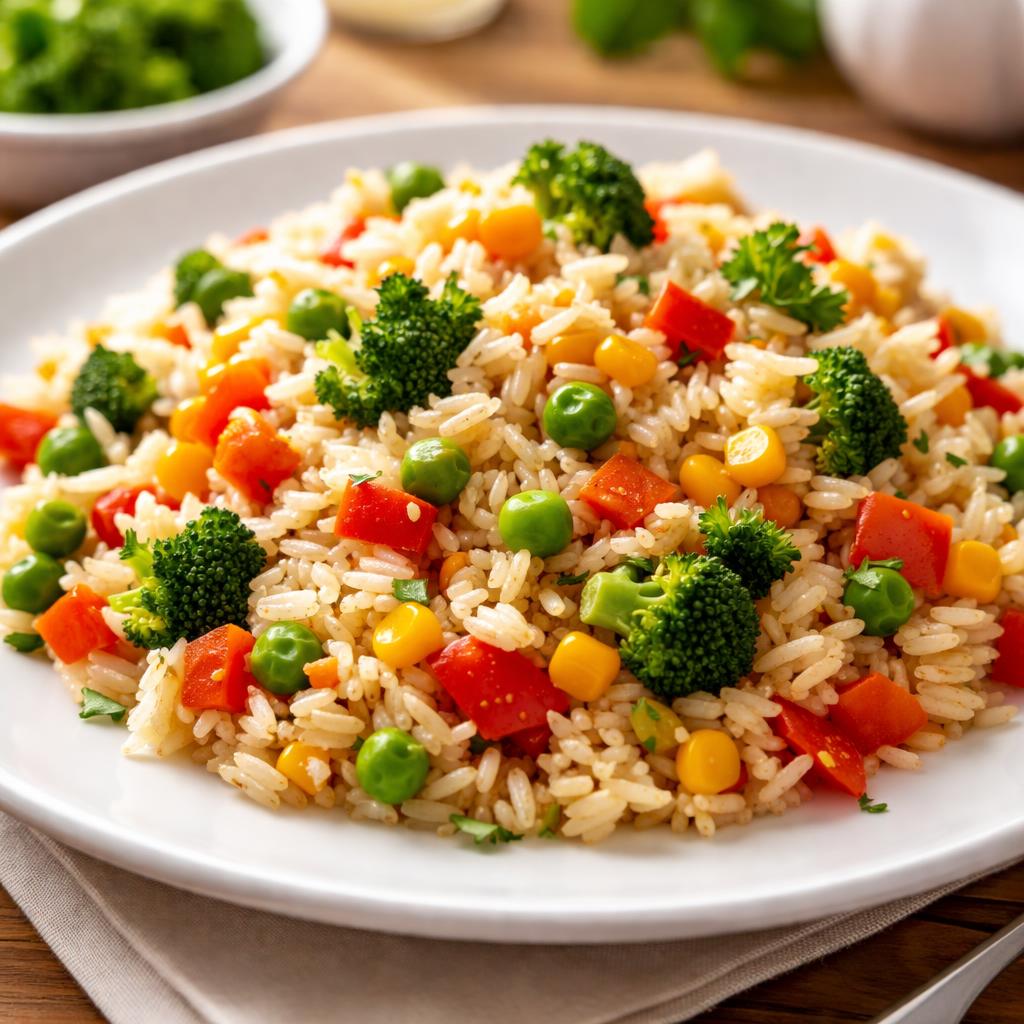
Rice With Vegetables
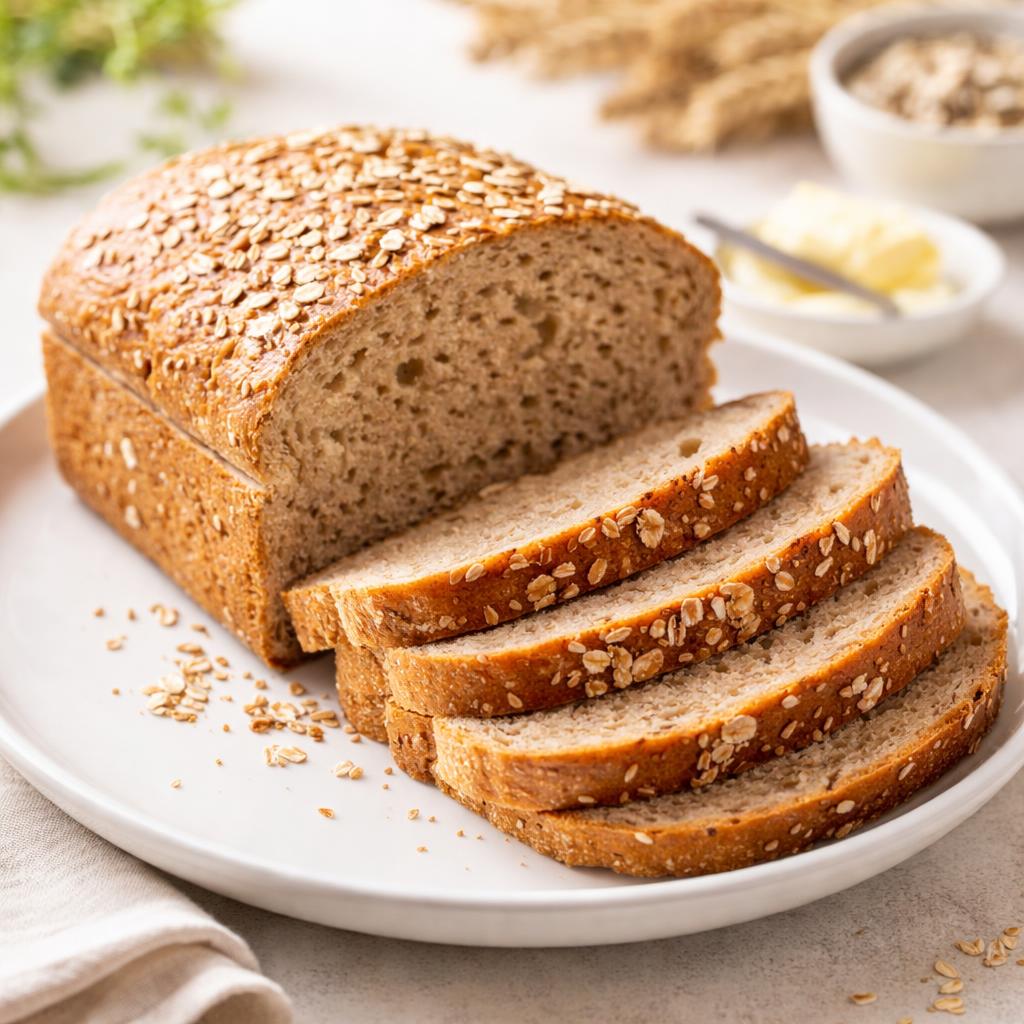
Whole Wheat Bread
🎯 Quick Verdict
Whole wheat bread is higher in protein, fiber, and most vitamins compared to rice with vegetables, making it a nutrient-dense option for sustained energy and heart health. Rice with vegetables, however, is lower in calories and fat, making it a better option for weight loss and low-fat diets, especially when paired with additional protein sources like tofu, chicken, or legumes.

Smart Nutrition Tracking with SnapCalorie

📊 Nutritional Comparison
Macronutrients
| Nutrient | Food 1 | Food 2 | Winner |
|---|---|---|---|
| Calories | 150 per cup | 190 per slice | ✓ |
| Protein | 4g per cup | 8g per slice | ✓ |
| Carbs | 35g per cup | 30g per slice | ✓ |
| Fat | 2g per cup | 2.5g per slice | − |
| Fiber | 2g per cup | 4g per slice | ✓ |
Vitamins & Minerals
| Nutrient | Food 1 | Food 2 | Winner |
|---|---|---|---|
| Vitamin B6 | 0.1mg | 0.2mg | ✓ |
| Folate | 30mcg | 40mcg | ✓ |
| Iron | 1mg | 2mg | ✓ |
🏆 Category Winners
Protein
Food2 (whole wheat bread) contains twice as much protein per serving.
Fiber
Food2 provides twice the fiber content compared to food1.
Calories
Food1 is lower in calories overall, making it suitable for calorie-focused diets.
Vitamins
Food2 is richer in B vitamins and iron, supporting energy production and oxygen transport in the body.
🥗 Diet Compatibility
Keto
Food 1: Not Compatible
Food 2: Not Compatible
Both foods are high in carbohydrates.
Vegan
Food 1: Compatible
Food 2: Compatible
Both foods are plant-based and suitable for vegan diets.
Gluten Free
Food 1: Compatible
Food 2: Not Compatible
Food2 (whole wheat bread) contains gluten, whereas food1 (rice with vegetables) is naturally gluten-free.
Paleo
Food 1: Compatible
Food 2: Not Compatible
Food1 aligns with paleo principles, while food2 (whole wheat bread) is not paleo-compliant due to its processed nature.
Low-Carb
Food 1: Not Compatible
Food 2: Not Compatible
Both foods contain a moderate to high amount of carbohydrates and are not classified as low-carb.
💪 Health Benefits Comparison
Food 1 Benefits
- Lower in calories, ideal for weight management
- Provides vitamin C and other antioxidants (from added vegetables)
- Easily digestible, making it suitable for those with sensitive stomachs
Food 2 Benefits
- Higher in protein to support muscle growth and repair
- Rich in fiber for improved digestion and sustained energy
- Contains essential B vitamins for energy metabolism
✅ The Bottom Line
Whole wheat bread is more nutrient-dense, offering higher levels of protein, fiber, and vitamins, making it a better option for active individuals or those seeking sustained energy. Rice with vegetables is lighter and lower in calories, suiting individuals focused on weight loss or looking for a gluten-free, versatile base for meals.
Choose Food 1 for: Low-calorie diets, gluten-free eating, sensitive digestion
Choose Food 2 for: Muscle maintenance, heart health, sustained energy


