Rice With Vegetables VS Shrimp Pasta
A detailed nutritional comparison
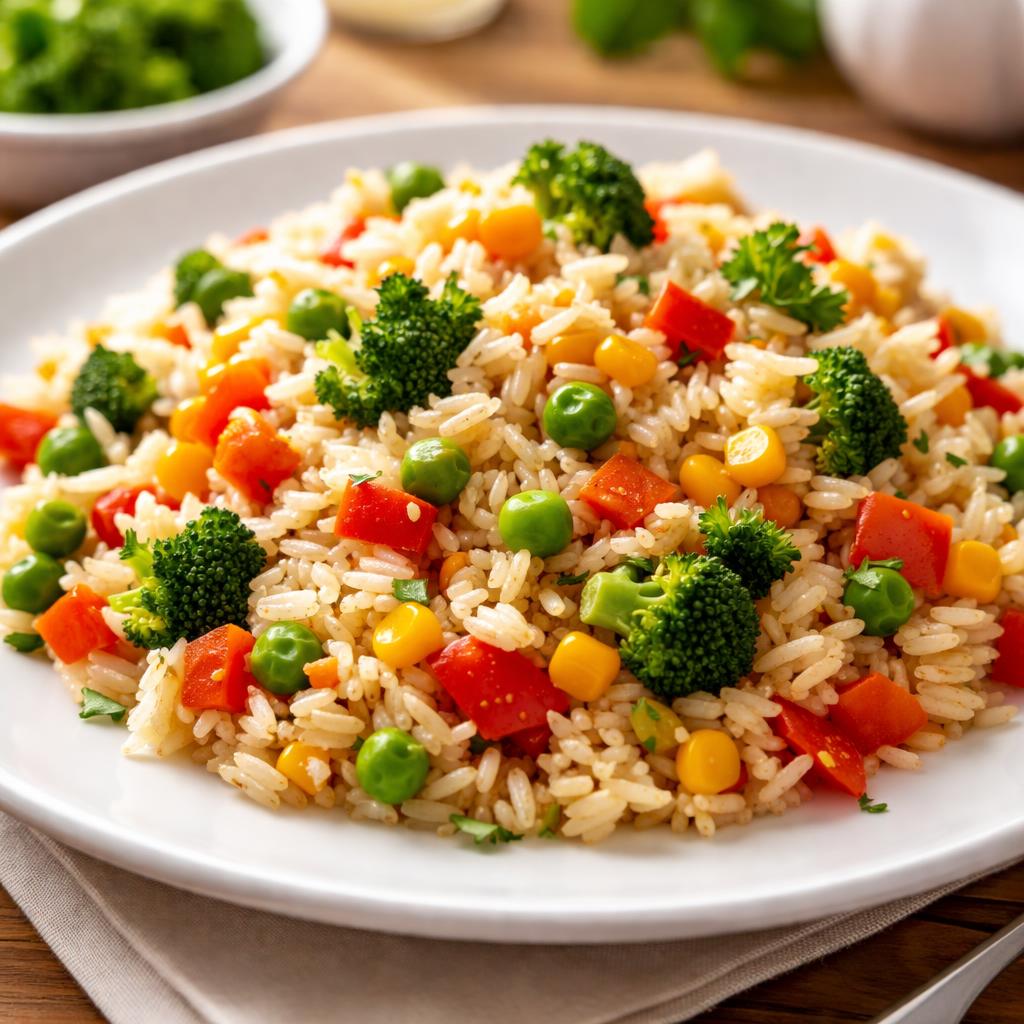
Rice With Vegetables
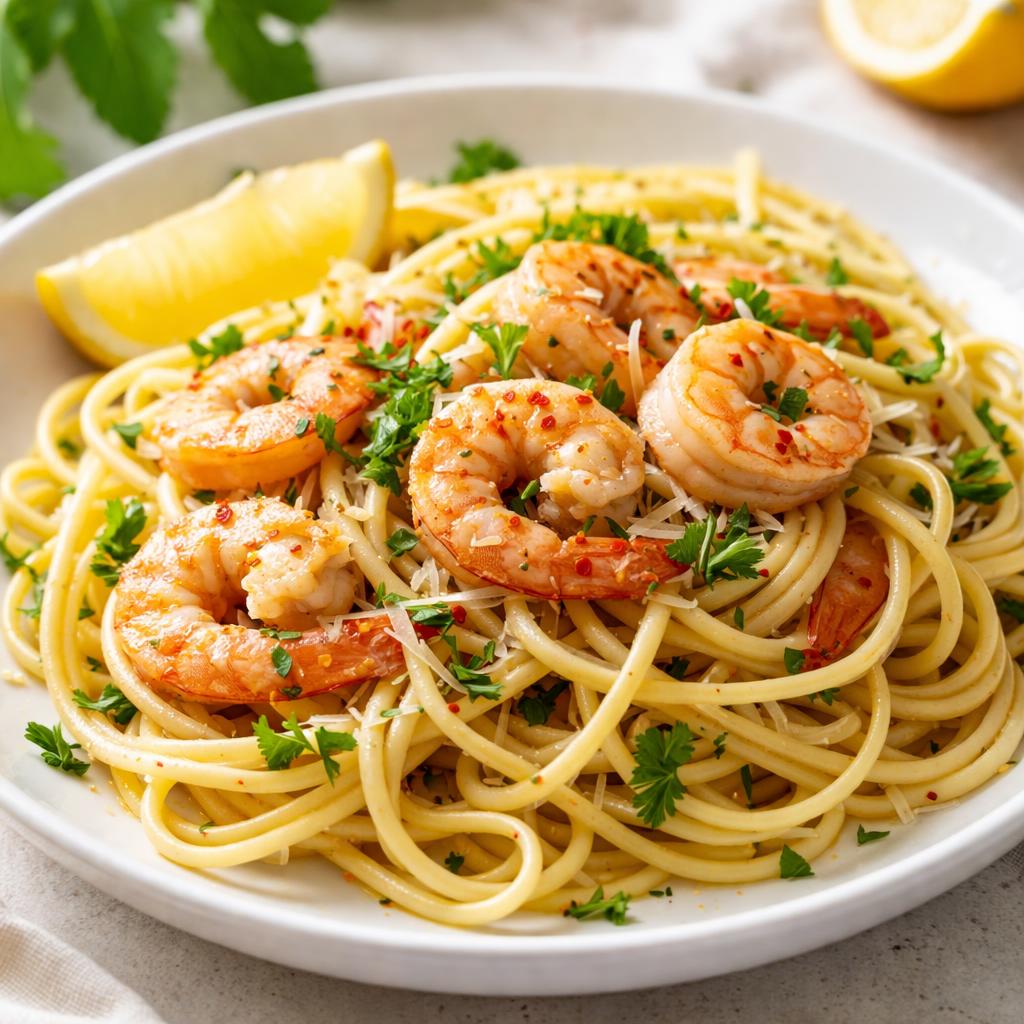
Shrimp Pasta
🎯 Quick Verdict
Rice with vegetables is a lower-calorie, high-fiber option and great for light meals or weight-conscious diets. Shrimp pasta is higher in protein, making it ideal for muscle maintenance or post-workout recovery. Both foods have distinct benefits depending on nutritional goals, with rice being better for digestion and pasta being more filling due to protein content.

Smart Nutrition Tracking with SnapCalorie

📊 Nutritional Comparison
Macronutrients
| Nutrient | Food 1 | Food 2 | Winner |
|---|---|---|---|
| Calories | 250 | 450 | ✓ |
| Protein | 6g | 18g | ✓ |
| Carbs | 45g | 50g | ✓ |
| Fat | 5g | 16g | ✓ |
| Fiber | 4g | 2g | ✓ |
Vitamins & Minerals
| Nutrient | Food 1 | Food 2 | Winner |
|---|---|---|---|
| Vitamin D | 0mcg | 3mcg | ✓ |
| Calcium | 30mg | 80mg | ✓ |
| Iron | 1mg | 3mg | ✓ |
🏆 Category Winners
Protein
Shrimp pasta contains three times more protein than rice with vegetables.
Fiber
Rice with vegetables has twice the fiber content per serving.
Calories
Rice with vegetables has almost half the calories of shrimp pasta.
Vitamins
Shrimp pasta has higher levels of Vitamin D, calcium, and iron.
🥗 Diet Compatibility
Keto
Food 1: Not Compatible
Food 2: Not Compatible
Both foods contain over 40g of carbohydrates per serving, exceeding keto limits.
Vegan
Food 1: Compatible
Food 2: Not Compatible
Rice with vegetables is plant-based, while shrimp pasta includes animal protein.
Gluten Free
Food 1: Compatible
Food 2: Not Compatible
Rice is naturally gluten-free, while pasta typically contains gluten unless specified.
Paleo
Food 1: Compatible
Food 2: Not Compatible
Rice with vegetables fits paleo diets, while pasta is excluded due to grains.
Low-Carb
Food 1: Not Compatible
Food 2: Not Compatible
Neither food qualifies as low-carb due to high carbohydrate content.
💪 Health Benefits Comparison
Food 1 Benefits
- Lower calorie count supports weight management.
- Rich in fiber, aiding digestion and promoting gut health.
- Good source of complex carbohydrates for sustained energy.
Food 2 Benefits
- High in protein, promoting muscle growth and repair.
- Contains iron, beneficial for oxygen transportation in blood.
- Provides Vitamin D and calcium, supporting bone health.
✅ The Bottom Line
Choose rice with vegetables for lighter meals, vegan compatibility, and better digestion support. Opt for shrimp pasta for higher protein content, satiation, and post-workout recovery. Both are excellent for balanced diets but serve different nutritional goals.
Choose Food 1 for: Weight-conscious diets, vegan meal plans, digestion health
Choose Food 2 for: High-protein diets, muscle repair, filling meals


