Rice With Vegetables VS Rotini Pasta
A detailed nutritional comparison
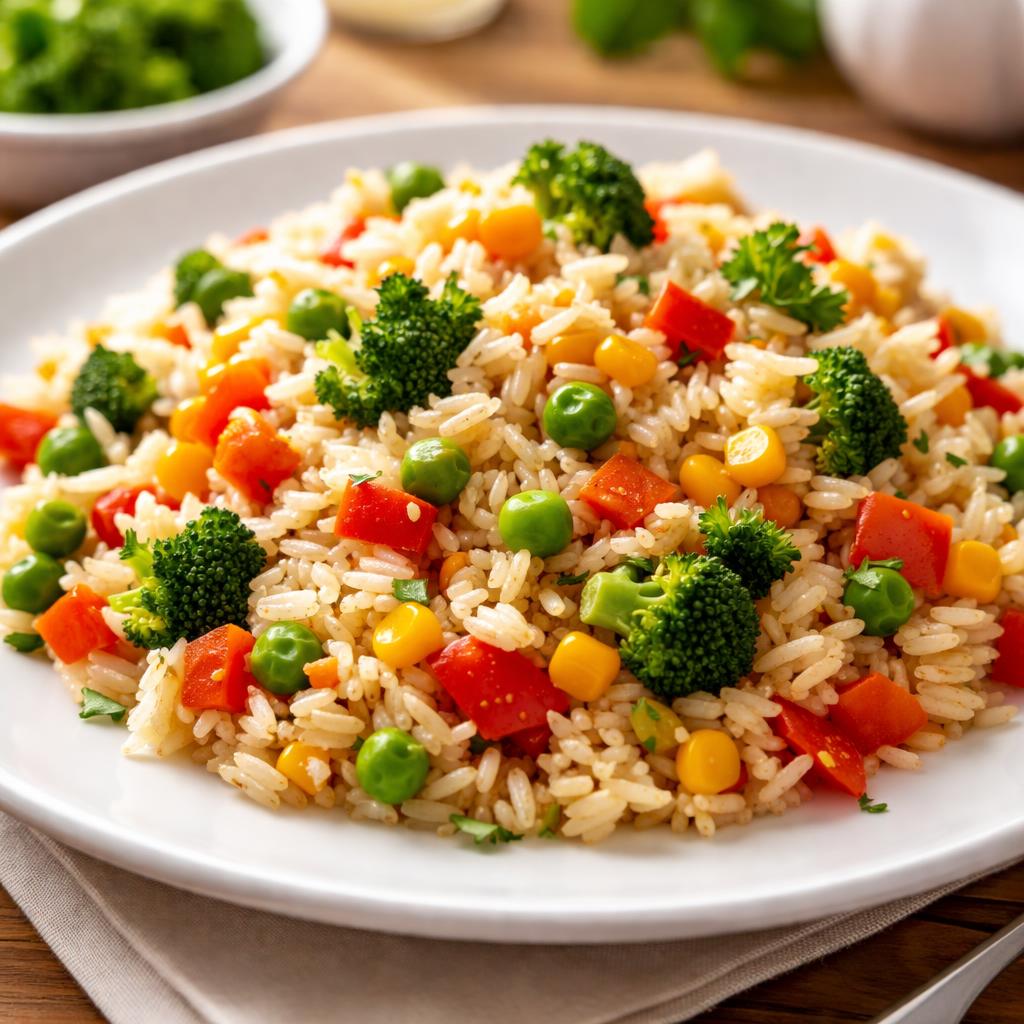
Rice With Vegetables
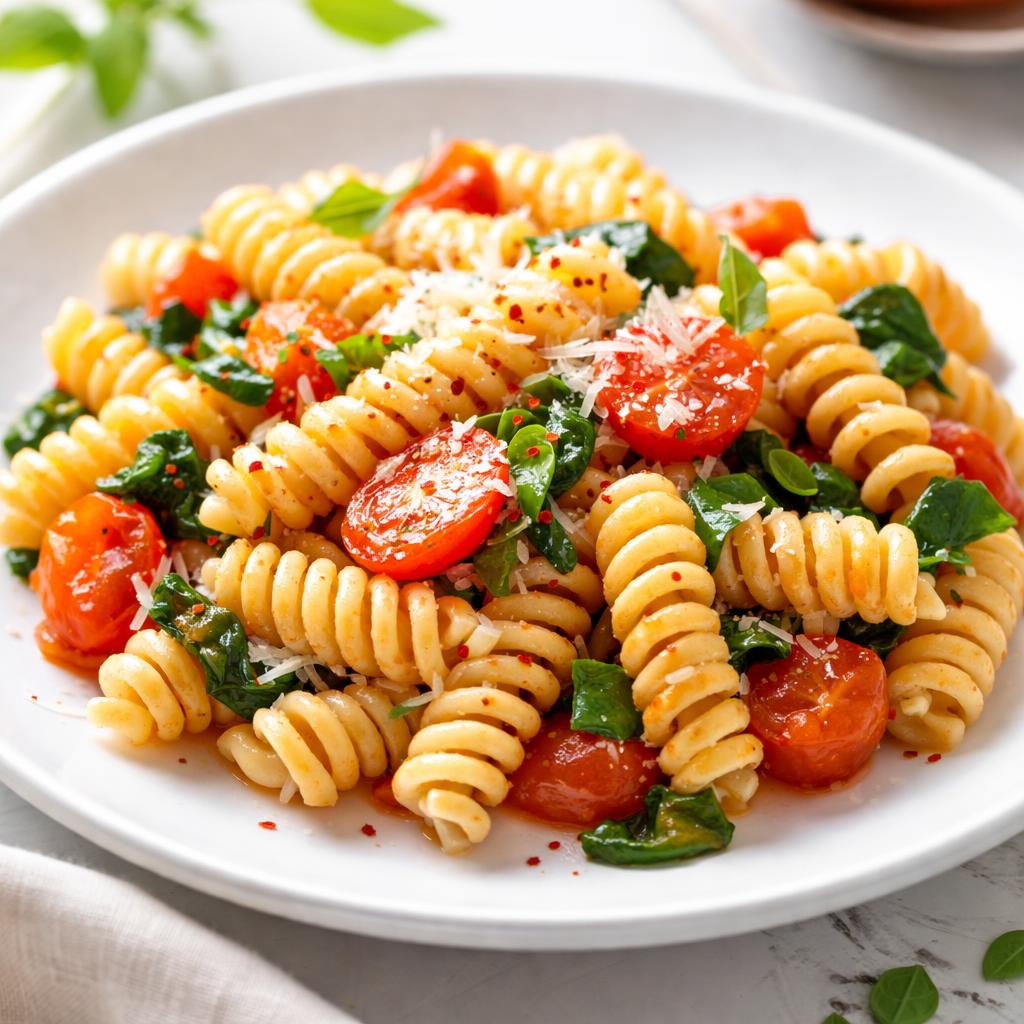
Rotini Pasta
🎯 Quick Verdict
Rice with vegetables is lower in calories and higher in fiber compared to rotini pasta, making it a good choice for weight management and digestion. Rotini pasta has more protein, which can be helpful for muscle recovery and energy. Both foods are versatile and fit into vegan and gluten-free diets depending on the preparation of the rice and pasta sauces.

Smart Nutrition Tracking with SnapCalorie

📊 Nutritional Comparison
Macronutrients
| Nutrient | Food 1 | Food 2 | Winner |
|---|---|---|---|
| Calories | 180 | 210 | ✓ |
| Protein | 6g | 7g | ✓ |
| Carbs | 32g | 41g | ✓ |
| Fat | 2g | 1g | ✓ |
| Fiber | 4g | 2g | ✓ |
Vitamins & Minerals
| Nutrient | Food 1 | Food 2 | Winner |
|---|---|---|---|
| Vitamin C | 20mg | 0mg | ✓ |
| Vitamin A | 400IU | 0IU | ✓ |
| Iron | 1mg | 1.5mg | ✓ |
| Calcium | 30mg | 15mg | ✓ |
🏆 Category Winners
Protein
Rotini pasta has slightly more protein per serving (7g vs 6g).
Fiber
Rice with vegetables provides 100% more fiber (4g vs 2g).
Calories
Rice with vegetables has fewer calories per serving (180 vs 210).
Vitamins
Rice with vegetables is rich in Vitamin C and Vitamin A, unlike rotini pasta.
🥗 Diet Compatibility
Keto
Food 1: Not Compatible
Food 2: Not Compatible
Both are high-carb foods.
Vegan
Food 1: Compatible
Food 2: Compatible
Both foods are plant-based.
Gluten Free
Food 1: Depends on preparation
Food 2: Not Compatible unless made with gluten-free flour
Rice is gluten-free; rotini typically contains gluten unless labeled otherwise.
Paleo
Food 1: Compatible
Food 2: Not Compatible
Rice with vegetables fits paleo guidelines, but pasta does not.
Low-Carb
Food 1: Not Compatible
Food 2: Not Compatible
Both foods are relatively high in carbohydrates.
💪 Health Benefits Comparison
Food 1 Benefits
- Rich in fiber for improved digestion
- High in Vitamin C to support immune health
- Contains Vitamin A for eye health and skin repair
Food 2 Benefits
- Good source of protein to support muscle recovery
- Provides iron, which aids in energy production
- Versatile in recipes to satisfy a range of dietary preferences
✅ The Bottom Line
Choose rice with vegetables if you're looking for a lighter, fiber-rich meal packed with vitamins. Opt for rotini pasta if you need more protein for energy and muscle recovery. Both foods are versatile and can be adjusted to suit dietary needs.
Choose Food 1 for: Weight management, digestion, nutrient-dense meals
Choose Food 2 for: Muscle recovery, energy replenishment, versatile recipes


