Rice With Vegetables VS Rice With Sauce
A detailed nutritional comparison
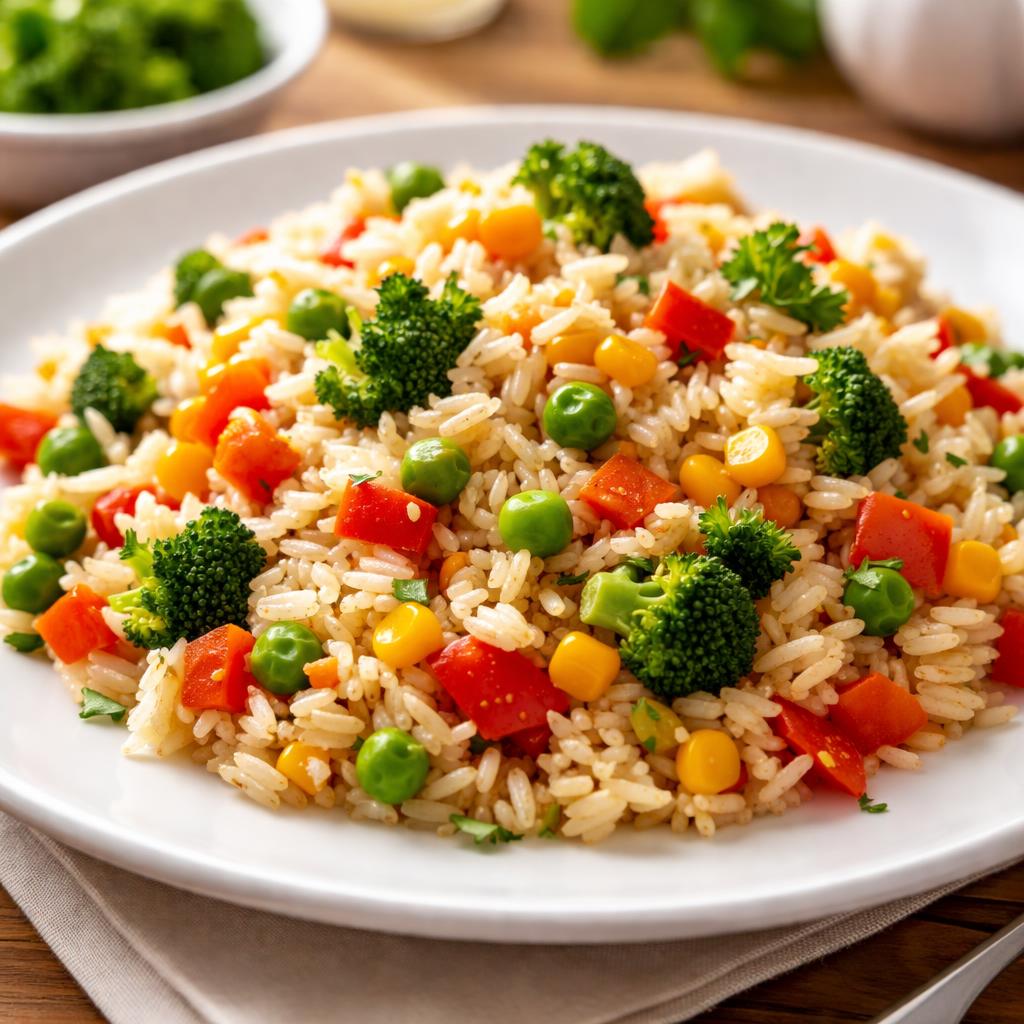
Rice With Vegetables
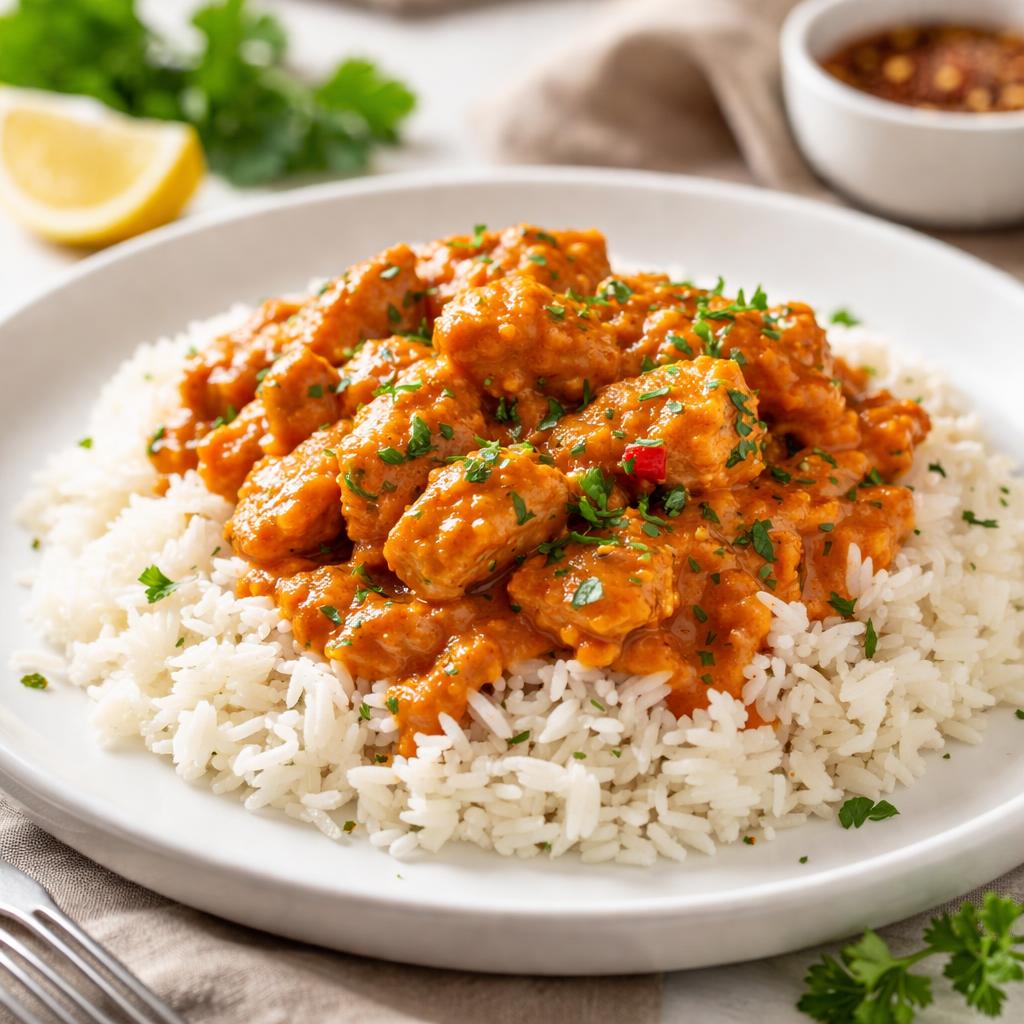
Rice With Sauce
🎯 Quick Verdict
Rice with vegetables (food1) is lower in calories and fat, while offering more protein and fiber compared to rice with sauce (food2). Food1 is better for those seeking weight control and balanced nutrients, whereas food2 may add flavor but is typically higher in calories and sodium due to its sauce content.

Smart Nutrition Tracking with SnapCalorie

📊 Nutritional Comparison
Macronutrients
| Nutrient | Food 1 | Food 2 | Winner |
|---|---|---|---|
| Calories | 190 | 300 | ✓ |
| Protein | 6g | 3g | ✓ |
| Carbs | 38g | 40g | ✓ |
| Fat | 3g | 12g | ✓ |
| Fiber | 4g | 1g | ✓ |
Vitamins & Minerals
| Nutrient | Food 1 | Food 2 | Winner |
|---|---|---|---|
| Vitamin A | 1500 IU | 100 IU | ✓ |
| Vitamin C | 10mg | 1mg | ✓ |
| Potassium | 300mg | 100mg | ✓ |
🏆 Category Winners
Protein
Food1 has double the protein content, enhanced by vegetable inclusion.
Fiber
Food1 contains 300% more fiber, supporting digestion and satiety.
Calories
Food1 has 37% fewer calories, making it preferable for weight management.
Vitamins
Food1 is richer in essential vitamins like A and C due to the vegetables.
🥗 Diet Compatibility
Keto
Food 1: Not Compatible
Food 2: Not Compatible
Both foods are high in carbohydrates, obstructing ketosis.
Vegan
Food 1: Compatible
Food 2: Compatible
Neither contain animal-derived ingredients.
Gluten Free
Food 1: Compatible
Food 2: Compatible
Rice forms the base; both are naturally gluten-free.
Paleo
Food 1: Not Compatible
Food 2: Not Compatible
Rice is not permitted in a strict paleo diet.
Low-Carb
Food 1: Not Compatible
Food 2: Not Compatible
Both are high in carbs from rice.
💪 Health Benefits Comparison
Food 1 Benefits
- High fiber content supports digestive health.
- Richer in vitamins A and C for immune function and skin health.
- Lower calorie option promotes weight management.
Food 2 Benefits
- Provides additional flavor for variety and satisfaction.
- Contains some healthy fats, depending on the sauce used.
- May be higher in antioxidants if a tomato-based sauce is included.
✅ The Bottom Line
Rice with vegetables (food1) is better for balanced nutrition, weight management, and fiber intake. Conversely, rice with sauce (food2) can add flavor and variety but tends to be higher in calories, fat, and sodium. Food1 is ideal for clean eating and nutrient density, while food2 is better for indulgent meals or boosting flavors in moderation.
Choose Food 1 for: Weight control, clean eating, nutrient-dense meals
Choose Food 2 for: Flavor enhancement, occasional indulgence, variety in recipes


