Rice With Vegetables VS Chicken Noodles
A detailed nutritional comparison
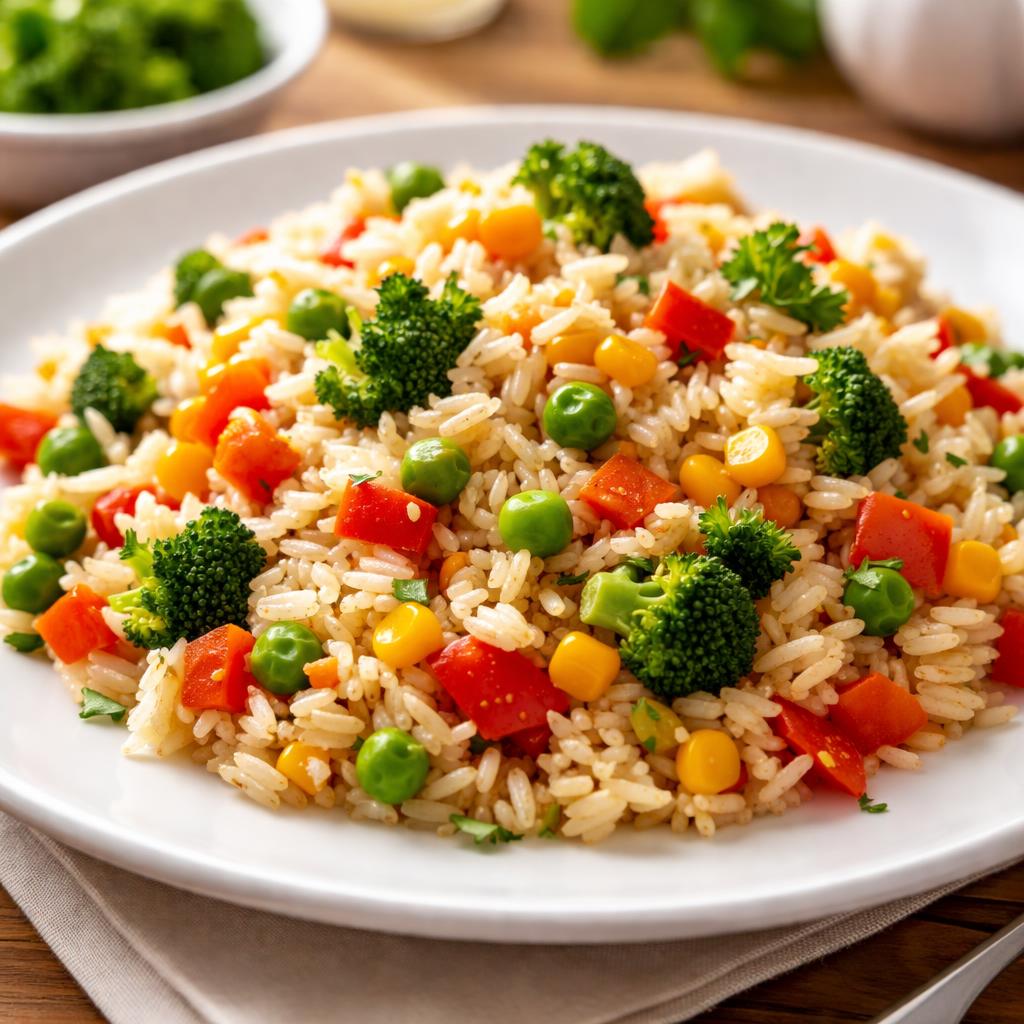
Rice With Vegetables
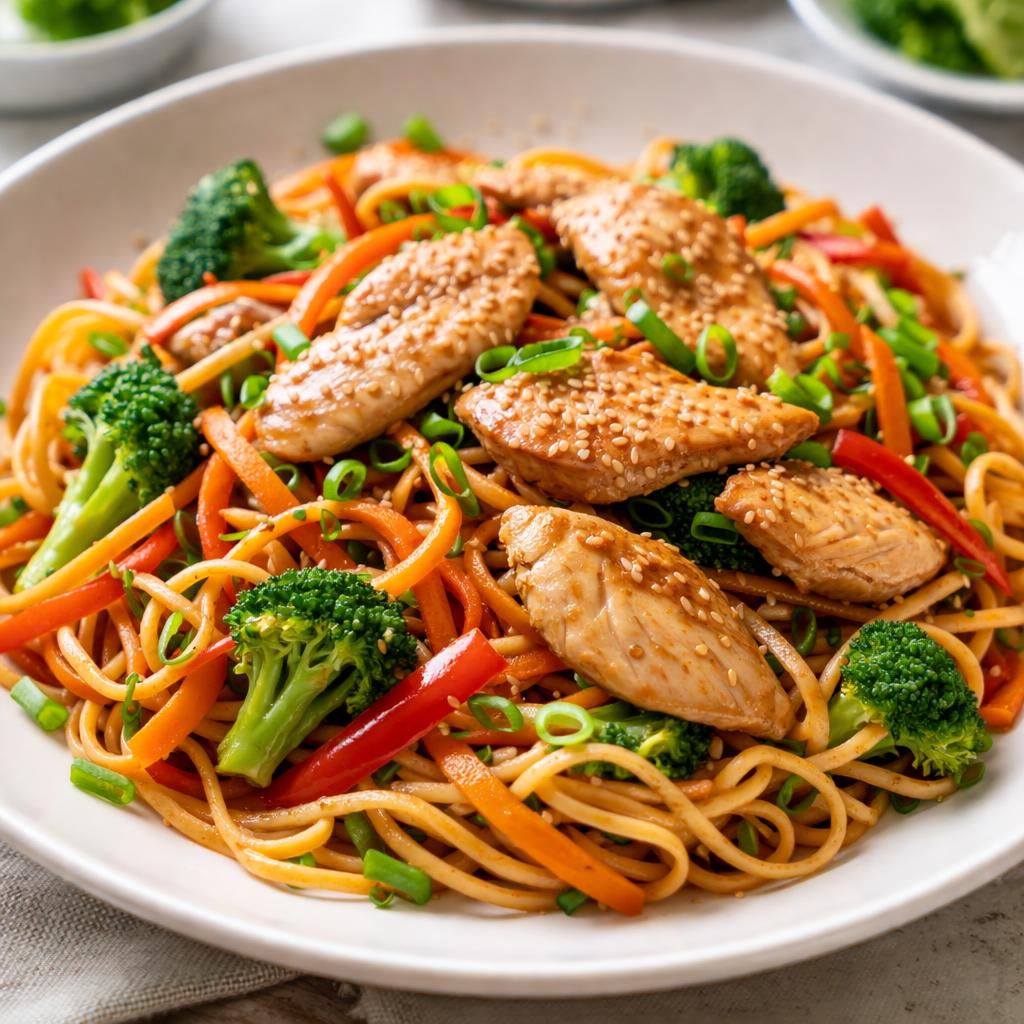
Chicken Noodles
🎯 Quick Verdict
Chicken noodles offer higher protein and are better suited for muscle-building and post-workout meals, while rice with vegetables provides more fiber and fewer calories, making it ideal for digestion and weight management. Both foods have diverse nutrient profiles and can fit into different dietary goals effectively.

Smart Nutrition Tracking with SnapCalorie

📊 Nutritional Comparison
Macronutrients
| Nutrient | Food 1 | Food 2 | Winner |
|---|---|---|---|
| Calories | 250 | 350 | ✓ |
| Protein | 6g | 18g | ✓ |
| Carbs | 40g | 35g | ✓ |
| Fat | 5g | 12g | ✓ |
| Fiber | 5g | 2g | ✓ |
Vitamins & Minerals
| Nutrient | Food 1 | Food 2 | Winner |
|---|---|---|---|
| Vitamin A | 350mcg | 100mcg | ✓ |
| Vitamin C | 15mg | 5mg | ✓ |
| Iron | 1.5mg | 2mg | ✓ |
| Calcium | 100mg | 75mg | ✓ |
🏆 Category Winners
Protein
Food2 contains three times more protein, largely due to the chicken content.
Fiber
Food1 provides 250% more fiber, benefiting digestion.
Calories
Food1 has 29% fewer calories, supporting weight management.
Vitamins
Food1 has higher levels of Vitamin A and Vitamin C, essential for immunity and eye health.
🥗 Diet Compatibility
Keto
Food 1: Not Compatible
Food 2: Not Compatible
Both foods have moderate-to-high carb content, unsuitable for keto.
Vegan
Food 1: Compatible
Food 2: Not Compatible
Food1 is plant-based, while Food2 contains chicken.
Gluten Free
Food 1: Compatible
Food 2: Not Compatible
Food1 contains rice, which is gluten-free, but noodles may have gluten.
Paleo
Food 1: Compatible
Food 2: Not Compatible
Food1 fits the paleo framework due to its whole-food composition.
Low-Carb
Food 1: Not Compatible
Food 2: Not Compatible
Both foods are somewhat high in carbohydrates (35-40g per serving).
💪 Health Benefits Comparison
Food 1 Benefits
- Rich in fiber to support digestion and gut health
- Low calorie content for weight management
- Provides essential vitamins (A and C) for immunity and skin health
- Gluten-free, making it suitable for sensitive individuals
Food 2 Benefits
- High protein content supports muscle maintenance and repair
- Contains more healthy fats for sustained energy
- Rich in iron to promote oxygen transport in the body
- Provides moderate carbs for sustained energy levels
✅ The Bottom Line
Rice with vegetables is ideal for those seeking a plant-based, fiber-rich, and low-calorie meal, perfect for digestion and weight management. Chicken noodles, on the other hand, shine with high protein content and are better suited for active individuals needing post-workout recovery or sustained energy.
Choose Food 1 for: Fiber intake, digestion, vegan meal choices, weight management
Choose Food 2 for: Protein-focused diets, post-workout recovery, and energy support


