Rice VS Yoghurt
A detailed nutritional comparison
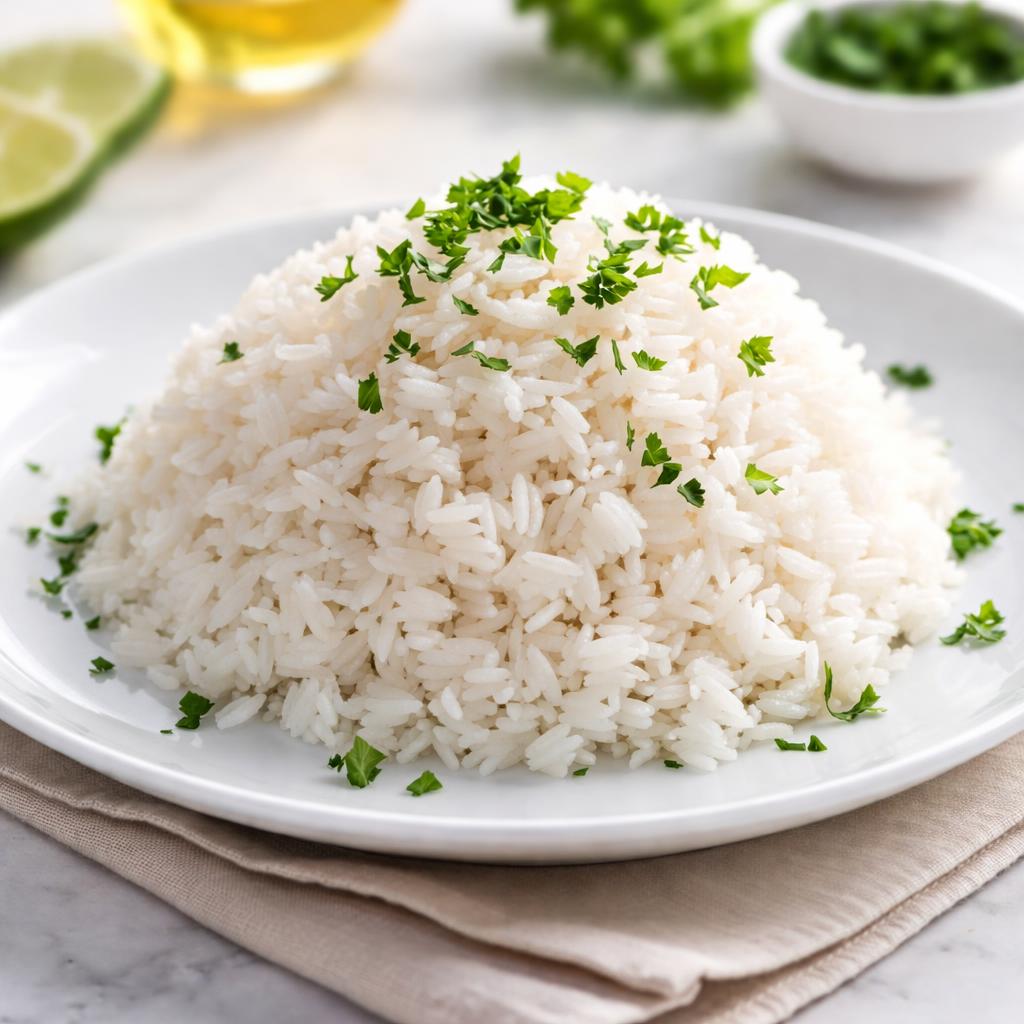
Rice

Yoghurt
🎯 Quick Verdict
Rice is a carbohydrate-rich food that provides energy and fiber, while yoghurt is high in protein and offers probiotics for gut health. Both foods can complement each other in a balanced diet, with rice being better for higher fiber needs and yoghurt excelling in protein content and nutrient density.

Smart Nutrition Tracking with SnapCalorie

📊 Nutritional Comparison
Macronutrients
| Nutrient | Food 1 | Food 2 | Winner |
|---|---|---|---|
| Calories | 130 per 1 cup cooked | 100 per 6 oz plain yoghurt | ✓ |
| Protein | 2.7g per cup | 6g per serving | ✓ |
| Carbs | 28g per cup | 7g per serving | ✓ |
| Fat | 0.3g per cup | 2.5g per serving | ✓ |
| Fiber | 0.6g per cup | 0g per serving | ✓ |
Vitamins & Minerals
| Nutrient | Food 1 | Food 2 | Winner |
|---|---|---|---|
| Calcium | 10mg | 200mg | ✓ |
| Vitamin B2 (Riboflavin) | 0.02mg | 0.34mg | ✓ |
| Vitamin D | 0mcg | 1mcg | ✓ |
🏆 Category Winners
Protein
Yoghurt contains 6g protein per serving compared to rice's 2.7g per serving.
Fiber
Rice includes 0.6g fiber, while yoghurt provides none.
Calories
Yoghurt has 30 fewer calories per serving.
🥗 Diet Compatibility
Keto
Food 1: Not Compatible
Food 2: Not Compatible
Both are moderately high-carb; unsuitable for strict keto diets.
Vegan
Food 1: Compatible
Food 2: Not Compatible
Rice is plant-based, while yoghurt typically contains animal-derived dairy.
Gluten Free
Food 1: Compatible
Food 2: Compatible
Neither food contains gluten.
Paleo
Food 1: Compatible
Food 2: Not Compatible
Rice fits paleo guidelines; yoghurt does not due to dairy content.
Low-Carb
Food 1: Not Compatible
Food 2: Partially Compatible
Rice is high in carbs, while yoghurt is relatively lower-carb at 7g per serving.
💪 Health Benefits Comparison
Food 1 Benefits
- Provides sustained energy from complex carbohydrates
- Low in fat, making it suitable for low-fat diets
- Supports digestion with small amounts of fiber
Food 2 Benefits
- High in protein for muscle maintenance and repair
- Rich in calcium for strong bones and teeth
- Provides probiotics to support gut health
✅ The Bottom Line
Rice is an excellent choice for energy and fiber needs, ideal for carb-heavy meals or pairing with proteins. Yoghurt is perfect for those seeking higher protein, calcium, and probiotics, making it an ideal snack or meal complement. Both can enrich a balanced diet depending on individual goals.
Choose Food 1 for: Energy needs, fiber intake, vegan or paleo diets
Choose Food 2 for: Muscle repair, bone health, gut health


