Rice VS White Cheddar
A detailed nutritional comparison
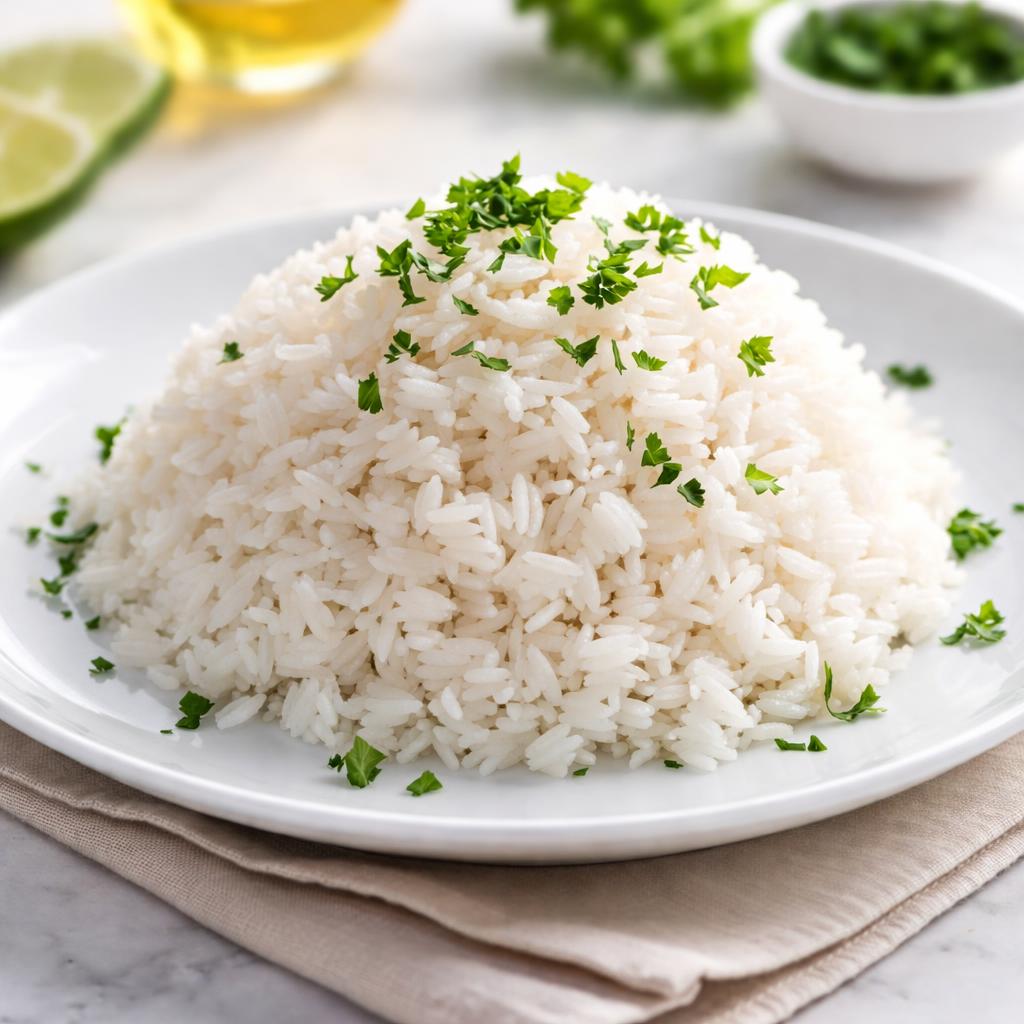
Rice
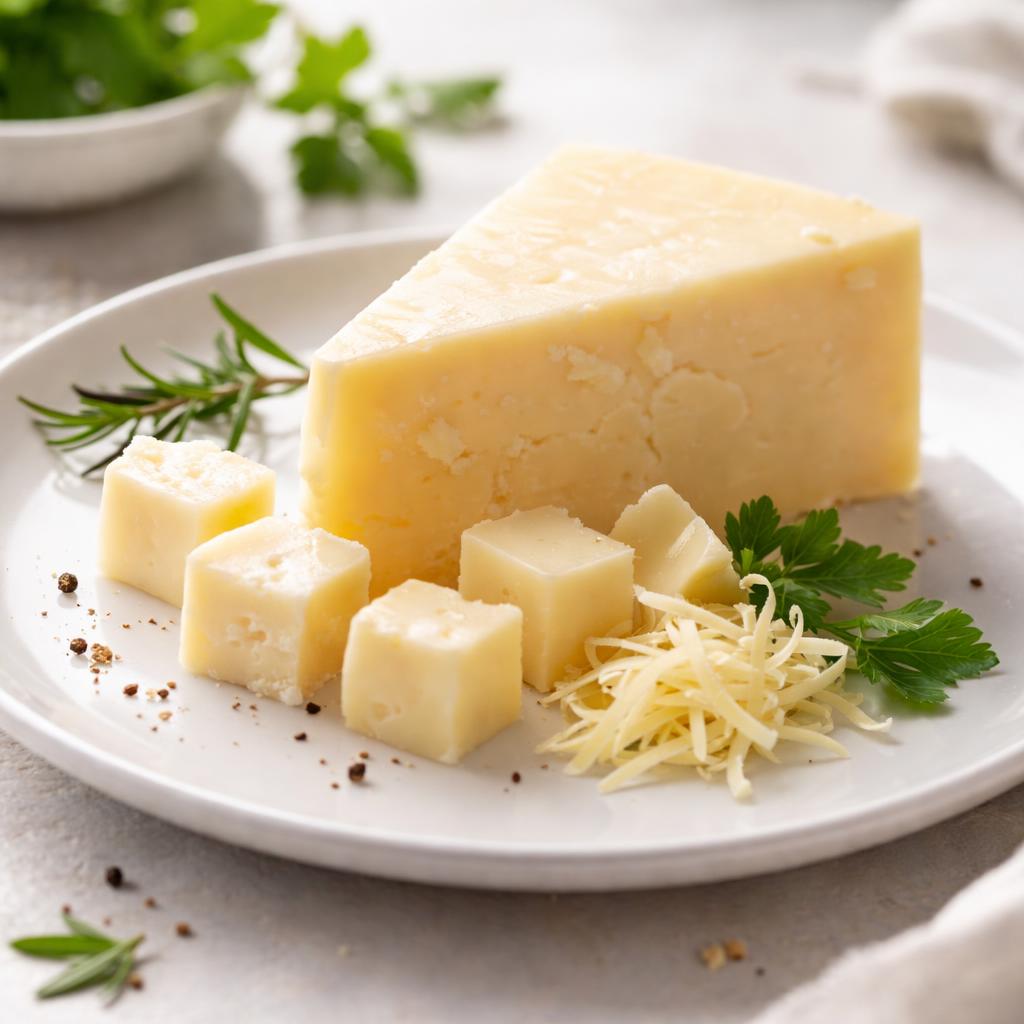
White Cheddar
🎯 Quick Verdict
White cheddar is significantly higher in protein and fat compared to rice, making it a better choice for muscle building or keto diets. Rice is lower in calories and carbohydrates, which can benefit those seeking energy without excess fats or protein. Both foods serve different dietary roles depending on specific goals and preferences.

Smart Nutrition Tracking with SnapCalorie

📊 Nutritional Comparison
Macronutrients
| Nutrient | Food 1 | Food 2 | Winner |
|---|---|---|---|
| Calories | 206 | 403 | ✓ |
| Protein | 4g | 24g | ✓ |
| Carbs | 45g | 1g | ✓ |
| Fat | 0.5g | 33g | ✓ |
| Fiber | 0.6g | 0g | − |
Vitamins & Minerals
| Nutrient | Food 1 | Food 2 | Winner |
|---|---|---|---|
| Vitamin D | 0mcg | 0.2mcg | ✓ |
| Calcium | 10mg | 721mg | ✓ |
| Iron | 1.9mg | 0.6mg | ✓ |
🏆 Category Winners
Protein
White cheddar contains 6 times more protein than rice.
Fiber
Both have negligible fiber content, less than 1g per serving.
Calories
Rice has about 50% fewer calories compared to white cheddar.
Vitamins
White cheddar provides significantly more calcium and vitamin D for bone health.
🥗 Diet Compatibility
Keto
Food 1: Not Compatible
Food 2: Compatible
White cheddar is low-carb, whereas rice is high-carb.
Vegan
Food 1: Compatible
Food 2: Not Compatible
Rice is plant-based, but white cheddar is dairy-based.
Gluten Free
Food 1: Compatible
Food 2: Compatible
Neither contains gluten and are suitable for gluten-free diets.
Paleo
Food 1: Compatible
Food 2: Not Compatible
Rice fits under paleo principles, while cheese does not.
Low-Carb
Food 1: Not Compatible
Food 2: Compatible
Rice has high carbohydrate content; white cheddar is suitable for low-carb diets.
💪 Health Benefits Comparison
Food 1 Benefits
- Provides energy from complex carbohydrates
- Source of trace minerals like manganese and selenium
- Low fat and cholesterol-free for heart health
Food 2 Benefits
- Rich in protein for muscle growth and repair
- High calcium content for bone strength
- Contains healthy fats to sustain energy and support brain function
✅ The Bottom Line
Rice is ideal for those seeking a low-calorie, carbohydrate-rich food to fuel activity or support weight maintenance. White cheddar is better suited for high-protein, keto, or muscle-building diets due to its nutrient-rich makeup, especially in calcium and protein.
Choose Food 1 for: Stamina for athletes, gluten-free grains, calorie-conscious meals
Choose Food 2 for: Keto diets, bone health, high-protein snacks or additions


