Rice VS Two Eggs
A detailed nutritional comparison
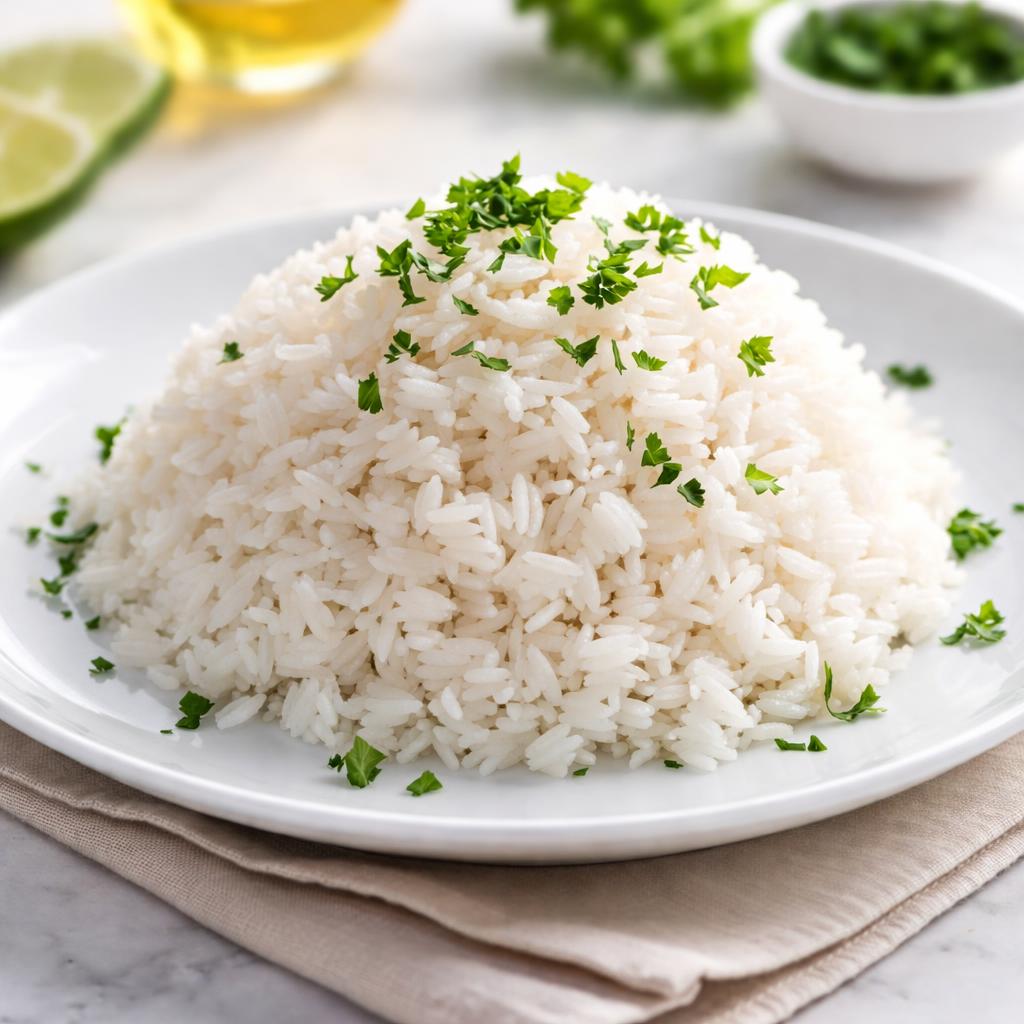
Rice
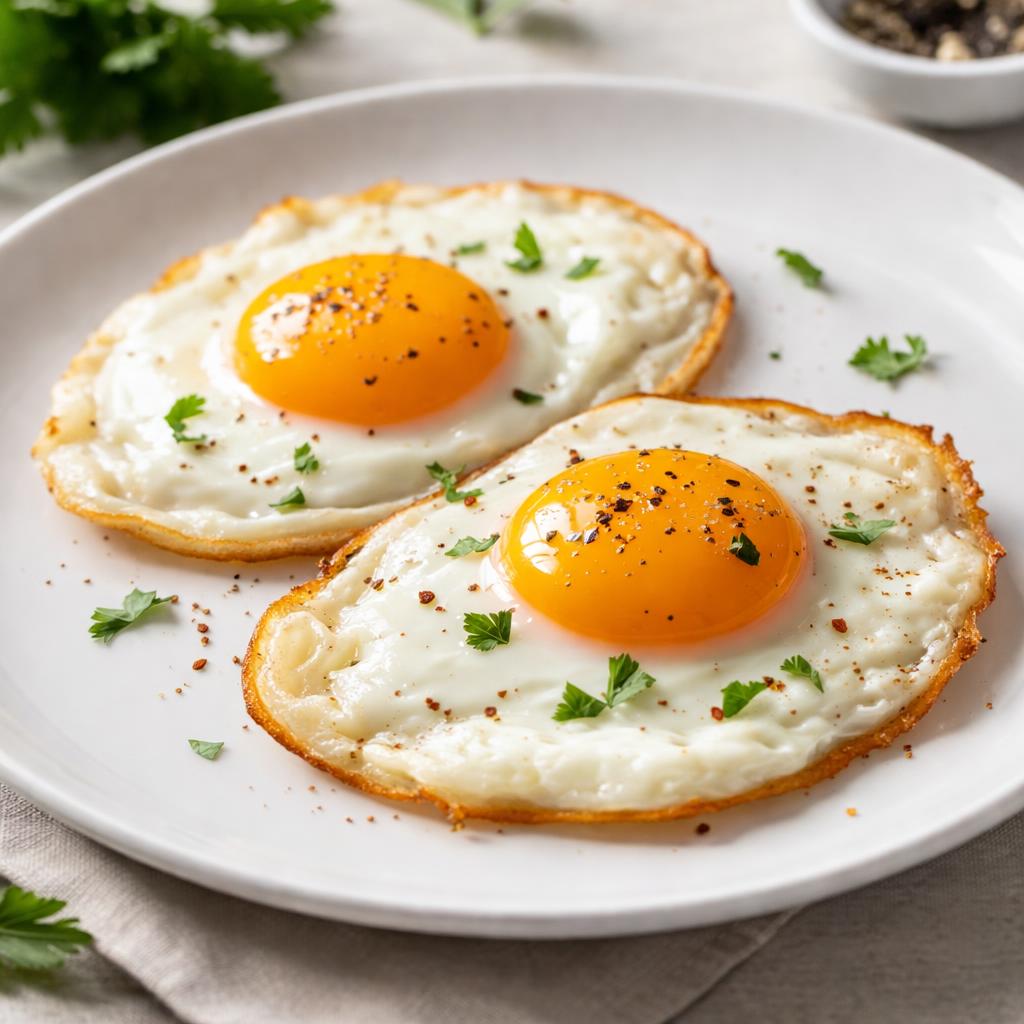
Two Eggs
🎯 Quick Verdict
Rice is a carbohydrate-dense food with more fiber, providing quick energy and better digestion. Eggs are nutrient-rich, protein-packed, and lower in calories, making them ideal for muscle maintenance and general nutrition. Rice suits high-energy needs, while eggs are better for balanced nutrition and weight management.

Smart Nutrition Tracking with SnapCalorie

📊 Nutritional Comparison
Macronutrients
| Nutrient | Food 1 | Food 2 | Winner |
|---|---|---|---|
| Calories | 206 (1 cup cooked) | 140 (2 large eggs) | ✓ |
| Protein | 4.3g | 12g | ✓ |
| Carbs | 45g | 0.6g | ✓ |
| Fat | 0.4g | 10g | ✓ |
| Fiber | 0.6g | 0g | ✓ |
Vitamins & Minerals
| Nutrient | Food 1 | Food 2 | Winner |
|---|---|---|---|
| Vitamin A | 0mcg | 140mcg | ✓ |
| Vitamin D | 0mcg | 2mcg | ✓ |
| Calcium | 10mg | 50mg | ✓ |
| Iron | 0.4mg | 1.2mg | ✓ |
🏆 Category Winners
Protein
Two eggs contain nearly three times the protein of one cup of cooked rice.
Fiber
Rice provides some fiber (mostly from brown rice), while eggs have none.
Calories
Two eggs have 32% fewer calories compared to one cup of cooked rice.
Vitamins
Eggs deliver essential vitamins like Vitamin D, Vitamin A, and calcium in larger amounts than rice.
🥗 Diet Compatibility
Keto
Food 1: Not Compatible
Food 2: Compatible
Rice is high-carb, while eggs are low-carb and high-fat.
Vegan
Food 1: Compatible
Food 2: Not Compatible
Rice is plant-based, but eggs are an animal product.
Gluten Free
Food 1: Compatible
Food 2: Compatible
Both are naturally gluten-free.
Paleo
Food 1: Not Compatible
Food 2: Compatible
Eggs align with paleo diets, while rice is excluded as a cultivated grain.
Low Carb
Food 1: Not Compatible
Food 2: Compatible
Rice is high in carbs, while eggs are low in carbs.
💪 Health Benefits Comparison
Food 1 Benefits
- Provides sustained energy due to high carbohydrate content
- Easy to digest, making it suitable for sensitive stomachs
- Contains small amounts of fiber for gentle digestive support
Food 2 Benefits
- Excellent protein source for muscle maintenance and repair
- Rich in essential amino acids for overall health
- Contains healthy fats like omega-3s supporting heart health
- Delivers key vitamins like Vitamin D and Vitamin A for strong immunity and eyesight
✅ The Bottom Line
If you need quick energy or are following a plant-based diet, rice is a better choice due to its high carbohydrate content. Eggs, on the other hand, offer more balanced nutrition with higher protein, essential vitamins, and lower calories, making them ideal for weight management and muscle building. Choose based on your dietary goals.
Choose Food 1 for: Energy needs, vegan diets, easy digestion
Choose Food 2 for: Weight management, muscle maintenance, low-carb or keto diets


