Rice VS Tea
A detailed nutritional comparison
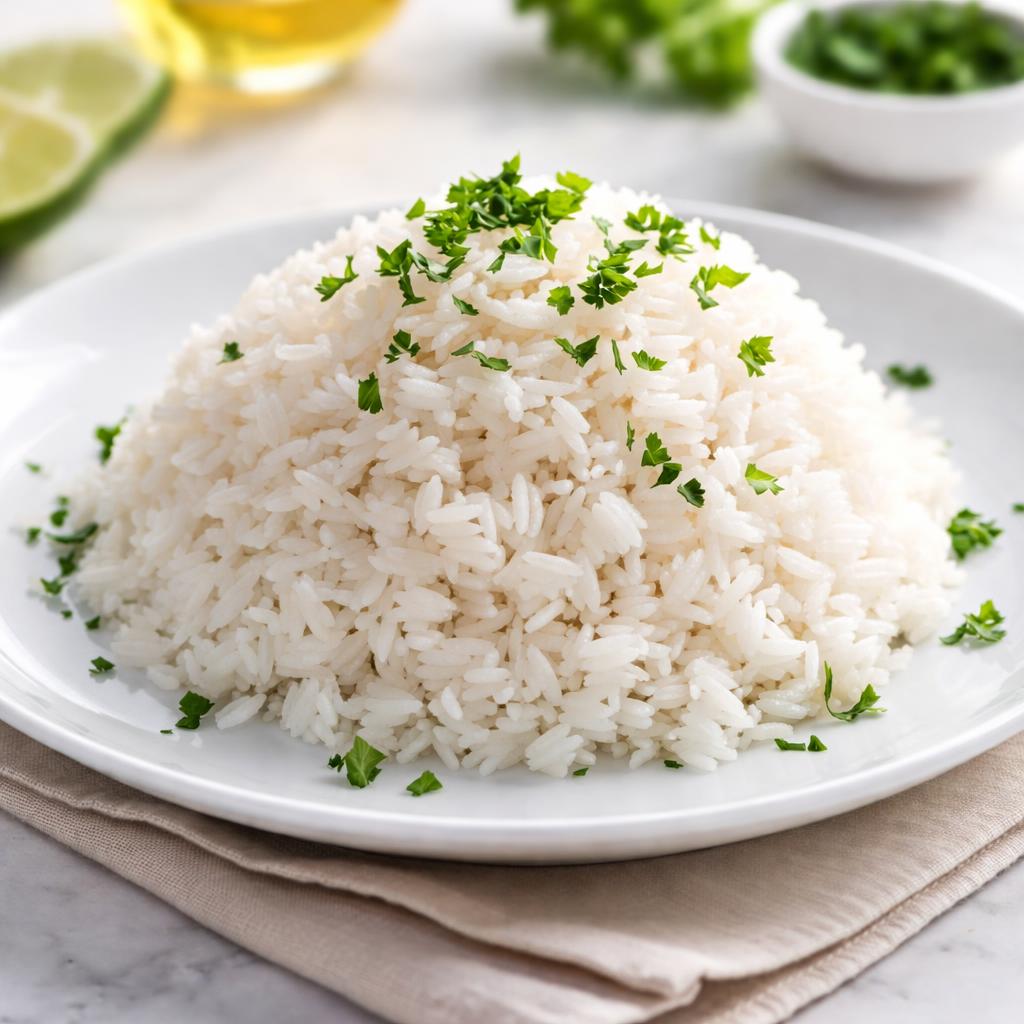
Rice
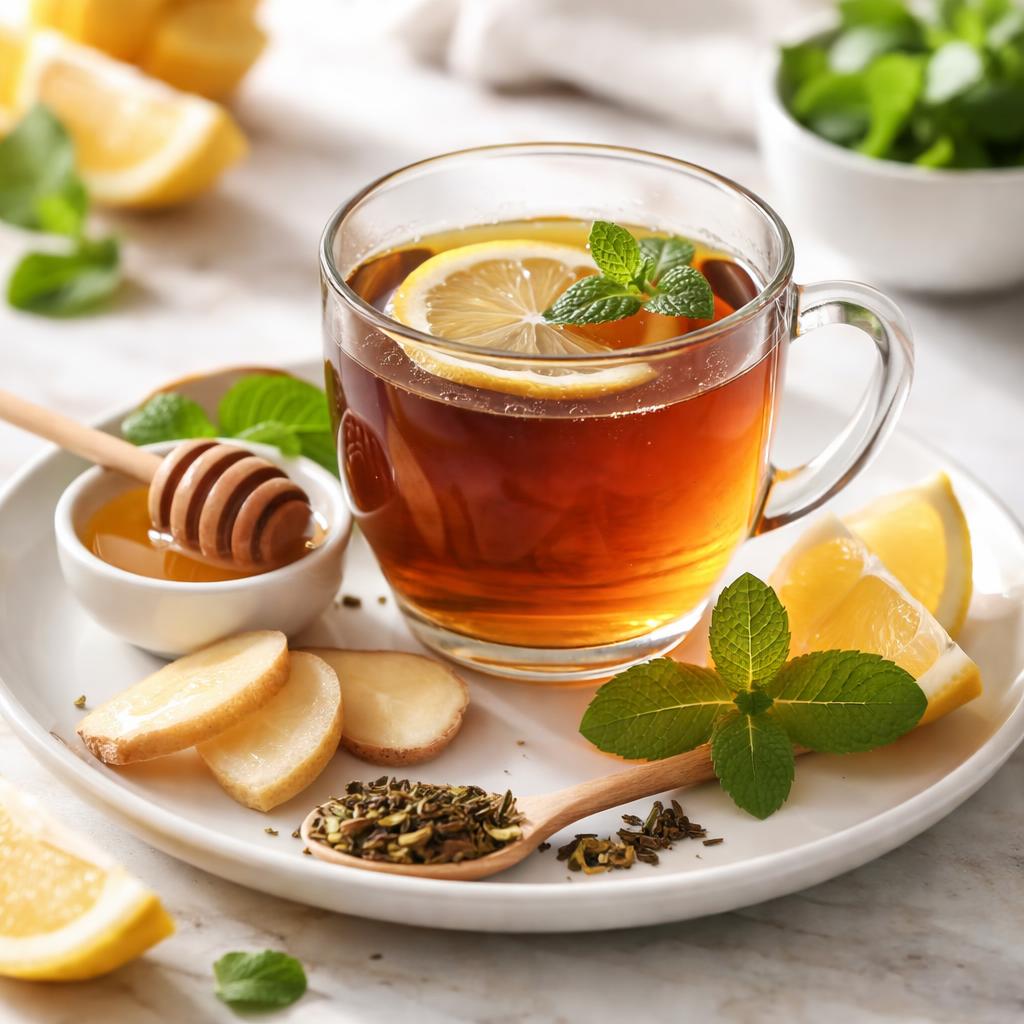
Tea
🎯 Quick Verdict
Rice and tea serve completely different dietary roles. Rice offers macronutrients like calories, protein, and carbs while tea provides negligible calories but is rich in antioxidants. Choose rice for energy and nutrient-dense meals, and tea for hydration and antioxidant benefits without impacting calorie intake.

Smart Nutrition Tracking with SnapCalorie

📊 Nutritional Comparison
Macronutrients
| Nutrient | Food 1 | Food 2 | Winner |
|---|---|---|---|
| Calories | 130 (1 cup cooked) | 2 (1 cup brewed, unsweetened) | ✓ |
| Protein | 2.7g | 0g | ✓ |
| Carbs | 28g | 0g | ✓ |
| Fat | 0.3g | 0g | ✓ |
| Fiber | 0.4g | 0g | ✓ |
Vitamins & Minerals
| Nutrient | Food 1 | Food 2 | Winner |
|---|---|---|---|
| Vitamin D | 0mcg | 0mcg | − |
| Calcium | 10mg | 3mg | ✓ |
| Iron | 0.6mg | 0.1mg | ✓ |
| Antioxidants | Minimal | High (polyphenols) | ✓ |
🏆 Category Winners
Protein
Rice contains 2.7g of protein per cup, while tea provides none.
Fiber
Rice has a small amount of fiber (0.4g per cup), while tea does not contain fiber.
Calories
Tea is ultra-low calorie with only 2 calories per cup, compared to 130 calories in cooked rice.
🥗 Diet Compatibility
Keto
Food 1: Not Compatible
Food 2: Compatible
Rice is high-carb (28g per serving), while tea contains no carbs.
Vegan
Food 1: Compatible
Food 2: Compatible
Both foods are plant-based.
Gluten Free
Food 1: Compatible
Food 2: Compatible
Neither rice nor tea contains gluten.
Paleo
Food 1: Compatible
Food 2: Compatible
Both are suitable for the paleo diet, as they are natural and minimally processed.
Low-Carb
Food 1: Not Compatible
Food 2: Compatible
Rice is high-carb, whereas tea has zero carbs.
💪 Health Benefits Comparison
Food 1 Benefits
- Rich in carbs for quick energy
- Contains trace minerals like magnesium and iron
- Easy to digest for sensitive stomachs
- Provides a versatile base for nutrient-dense meals
Food 2 Benefits
- High in antioxidants (polyphenols), which support heart health
- Zero calories, making it ideal for weight management
- Provides hydration and may improve mental alertness
- Contains compounds that may reduce inflammation
✅ The Bottom Line
Rice and tea have vastly different nutritional profiles and dietary uses. Opt for rice when energy support is needed, especially for longer-lasting meals or active lifestyles. Choose tea for hydration, antioxidant benefits, and non-caloric consumption throughout the day.
Choose Food 1 for: Active lifestyles, post-workout meals, energy-rich dishes
Choose Food 2 for: Weight management, hydration, antioxidant boost


