Rice VS Sweet Onion
A detailed nutritional comparison
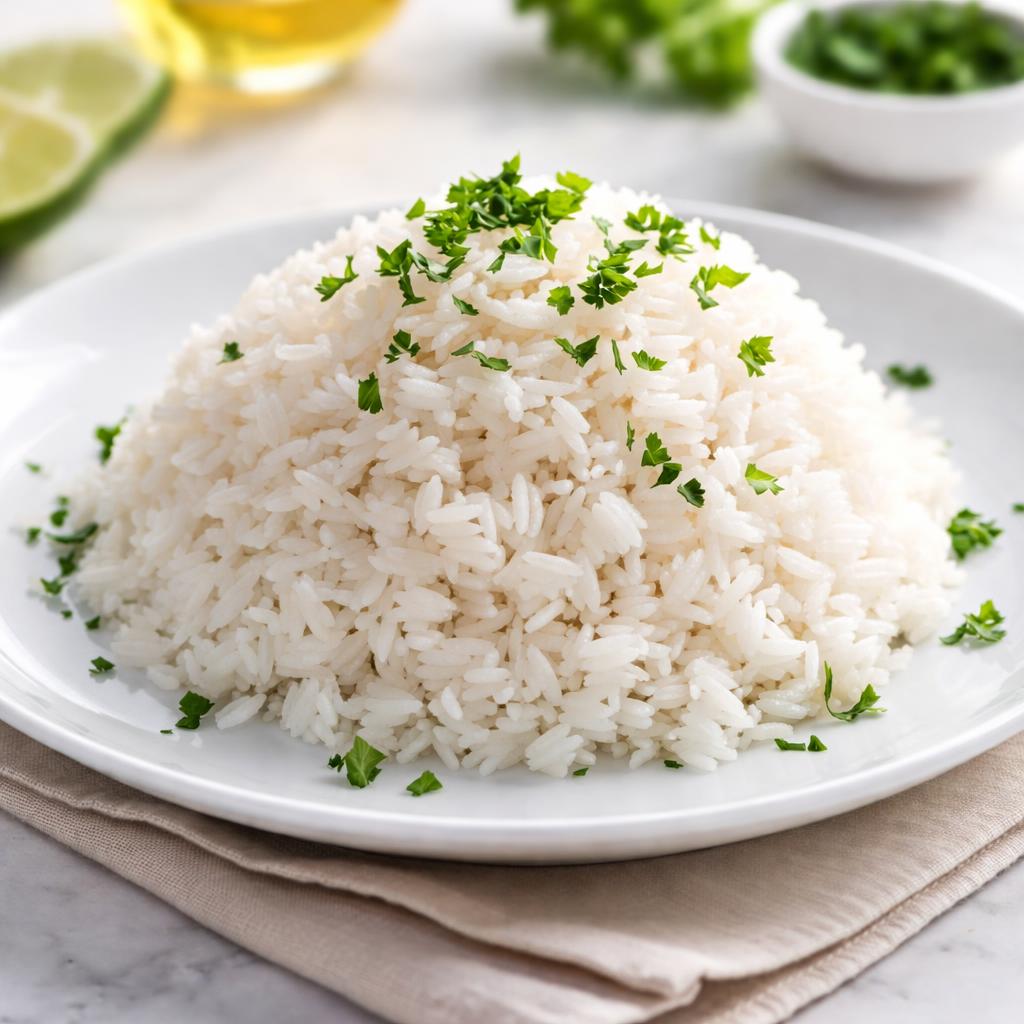
Rice
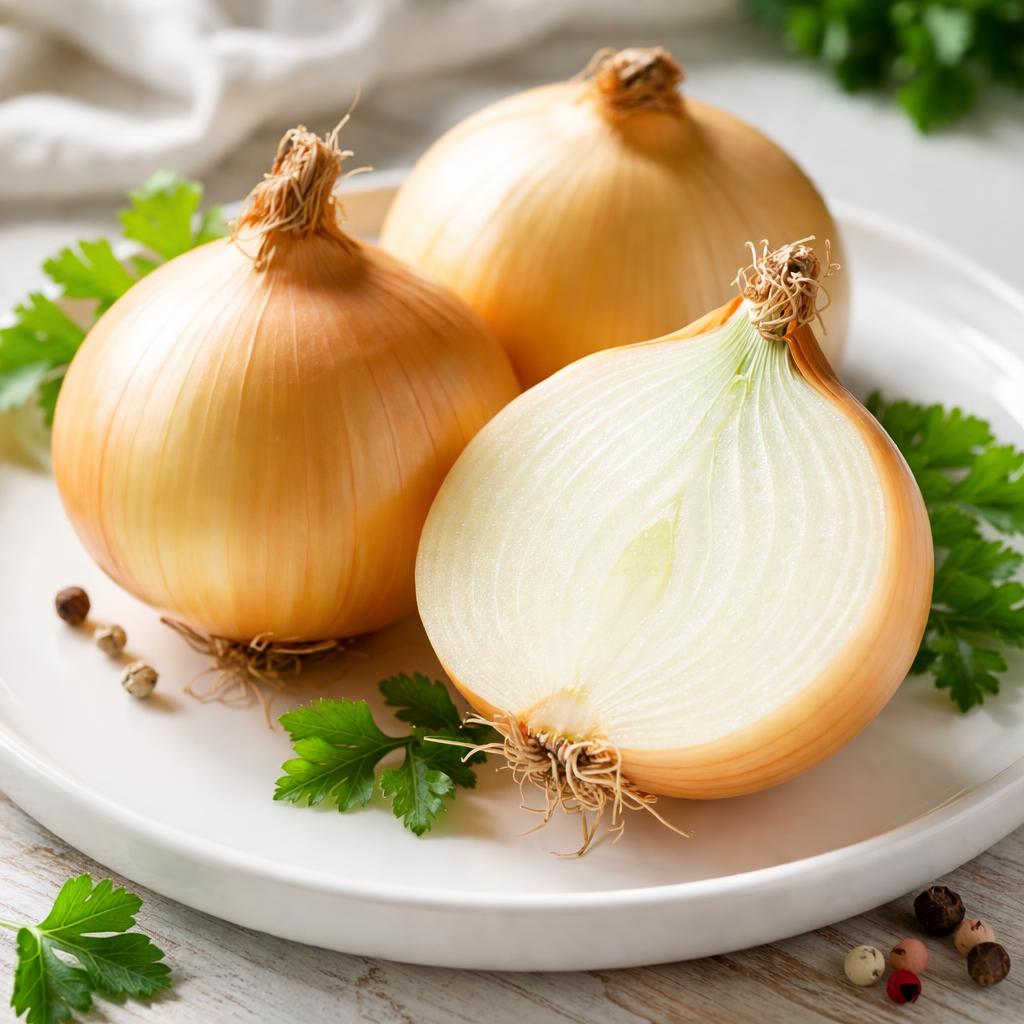
Sweet Onion
🎯 Quick Verdict
Rice is a calorie-dense carbohydrate provider suitable for energy needs, while sweet onion is low-calorie and nutrient-rich, offering fiber and essential antioxidants. Rice is ideal for high-energy meals or athletic recovery, whereas sweet onion fits into low-calorie diets and enhances nutrient diversity in meals.

Smart Nutrition Tracking with SnapCalorie

📊 Nutritional Comparison
Macronutrients
| Nutrient | Food 1 | Food 2 | Winner |
|---|---|---|---|
| Calories | 130 | 40 | ✓ |
| Protein | 2.7g | 1g | − |
| Carbs | 28.2g | 9g | ✓ |
| Fat | 0.3g | 0g | ✓ |
| Fiber | 0.4g | 1g | ✓ |
Vitamins & Minerals
| Nutrient | Food 1 | Food 2 | Winner |
|---|---|---|---|
| Vitamin C | 0mg | 7mg (12% DV) | ✓ |
| Vitamin B6 | 0.08mg | 0.12mg | ✓ |
| Folate | 9mcg | 19mcg | ✓ |
🏆 Category Winners
Protein
Both foods have low protein content; rice provides 2.7g, and sweet onion has 1g per serving.
Fiber
Sweet onion contains over twice the fiber of rice per serving.
Calories
Sweet onion has significantly lower calories (40 vs. 130 per serving).
🥗 Diet Compatibility
Keto
Food 1: Not Compatible
Food 2: Compatible
Rice is high-carb, while sweet onion is low-carb and fits keto restrictions.
Vegan
Food 1: Compatible
Food 2: Compatible
Both foods are plant-based.
Gluten Free
Food 1: Compatible
Food 2: Compatible
Neither contains gluten.
Paleo
Food 1: Compatible
Food 2: Compatible
Both foods align with paleo dietary principles.
Low-Carb
Food 1: Not Compatible
Food 2: Compatible
Sweet onion is low-carb (9g per serving) compared to rice (28.2g per serving).
💪 Health Benefits Comparison
Food 1 Benefits
- Good source of energy for physical activity
- Low in fat for heart health
- Provides essential B vitamins for cellular energy
Food 2 Benefits
- Rich in antioxidants supporting immunity
- Low in calories for weight management
- Contains fiber for better digestion
- Good source of vitamin C for skin and tissue health
✅ The Bottom Line
Rice is ideal for energy-intensive meals and post-workout recovery due to its high carbohydrate content. Sweet onion is better for low-calorie and nutrient-diverse dishes, contributing vitamins, fiber, and antioxidants. Choose rice when you need sustainable energy, and opt for sweet onion when seeking flavor enhancement and health-focused meal additions.
Choose Food 1 for: Energy boosters, workout recovery, high-carb diets
Choose Food 2 for: Weight management, nutrient-rich meals, low-carb diets


