Rice VS Sweet Chilli Sauce
A detailed nutritional comparison
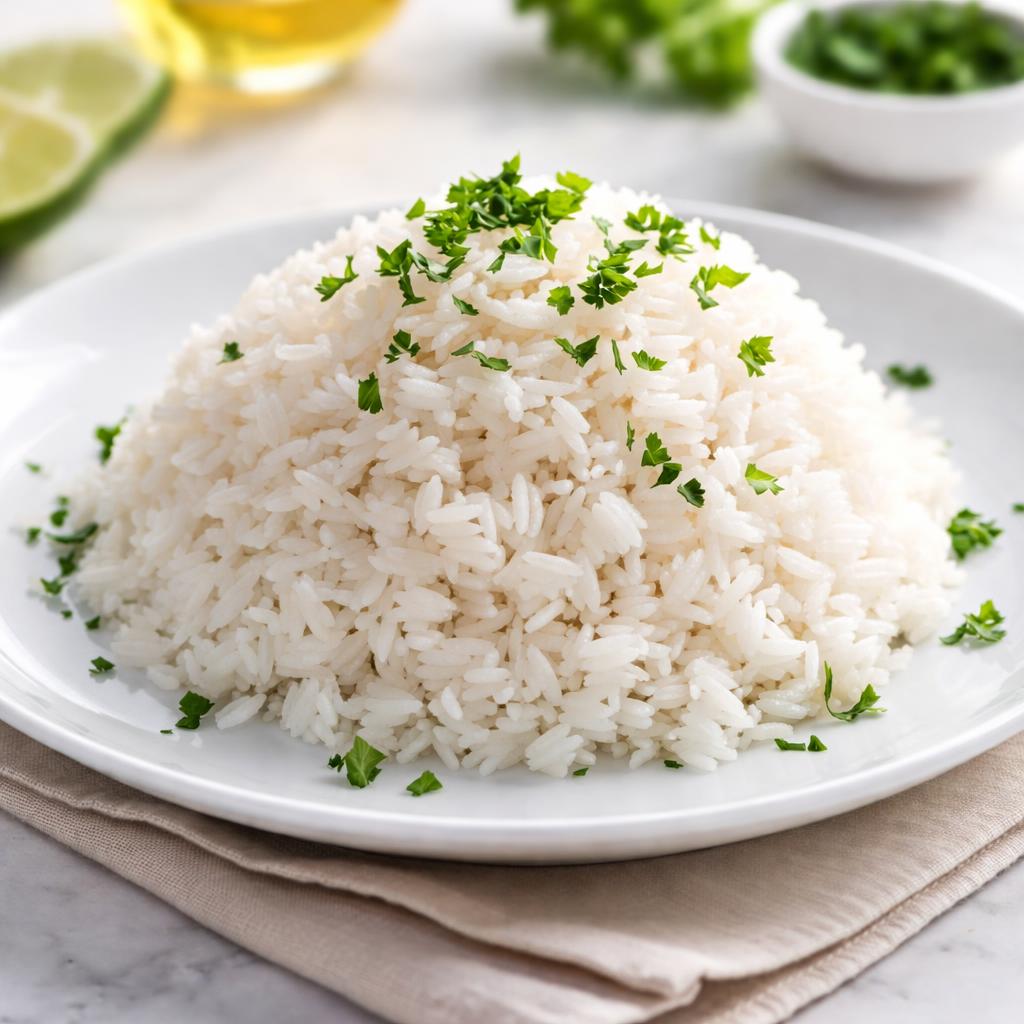
Rice
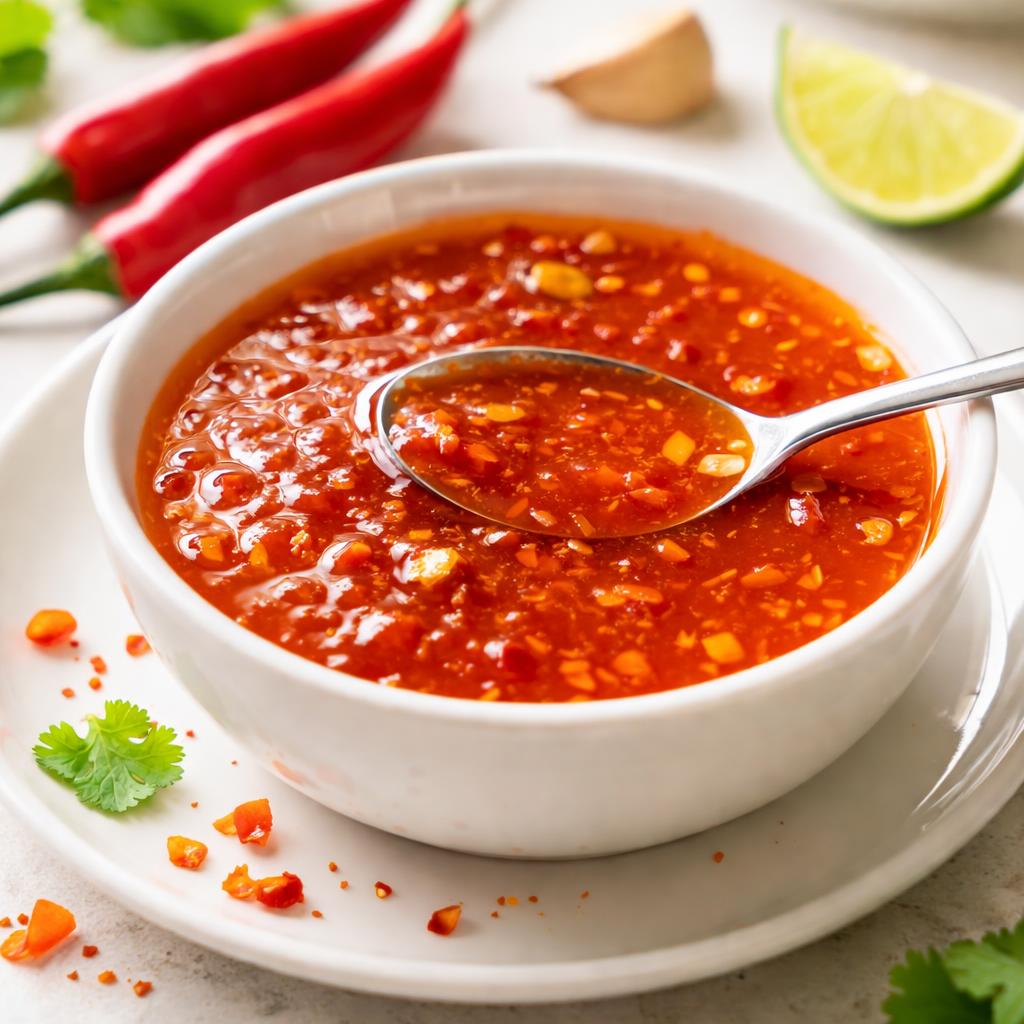
Sweet Chilli Sauce
🎯 Quick Verdict
Rice is a staple carbohydrate source, known for being low-calorie, low-fat, and providing steady energy, while sweet chilli sauce is high in sugar and calories but adds flavor and spiciness to meals. Rice is more suitable for filling, balanced meals, whereas sweet chilli sauce works best as a condiment to enhance taste but should be consumed in moderation due to its high sugar content.

Smart Nutrition Tracking with SnapCalorie

📊 Nutritional Comparison
Macronutrients
| Nutrient | Food 1 | Food 2 | Winner |
|---|---|---|---|
| Calories | 130 (per 100g cooked) | 70 (per 20g serving) | − |
| Protein | 2.7g | 0.1g | − |
| Carbs | 28.7g | 16g | − |
| Fat | 0.3g | 0g | − |
| Fiber | 0.4g | 0.4g | − |
Vitamins & Minerals
| Nutrient | Food 1 | Food 2 | Winner |
|---|---|---|---|
| Vitamin C | 0mg | 5mg | − |
| Calcium | 10mg | 4mg | − |
| Iron | 0.2mg | 0.1mg | − |
🏆 Category Winners
Protein
Rice contains significantly more protein, making it better for muscle maintenance.
Fiber
Both foods provide equal amounts of fiber at 0.4g per serving.
Calories
Rice is lower in calories when comparing equivalent serving sizes.
Vitamins
Sweet chilli sauce provides vitamin C which rice lacks.
🥗 Diet Compatibility
Keto
Food 1: Not Compatible
Food 2: Not Compatible
Both are high in carbs and not suitable for ketosis.
Vegan
Food 1: Compatible
Food 2: Compatible
Both are plant-based and free from animal products.
Gluten Free
Food 1: Compatible
Food 2: Compatible
Neither contain gluten ingredients.
Paleo
Food 1: Not Compatible
Food 2: Not Compatible
White rice and processed sweet chilli sauce are not recommended in paleo diets.
Low-Carb
Food 1: Not Compatible
Food 2: Not Compatible
Both are relatively high-carb foods per serving.
💪 Health Benefits Comparison
Food 1 Benefits
- Provides sustained energy due to slow-digesting carbs
- Low in fat, suitable for weight management
- Rich in minerals like manganese and iron
Food 2 Benefits
- Boosts meal flavor with spices and sweetness
- Contains vitamin C for immune support
- Low in fat and free from cholesterol
✅ The Bottom Line
Rice is a versatile base food for balanced meals, ideal for sustained energy and muscle maintenance. Sweet chilli sauce is better suited as a condiment for flavor enhancement but should be consumed sparingly. Choose rice for hearty meals, while sweet chilli sauce complements meat or stir-fries.
Choose Food 1 for: Staple carbohydrate source, balanced meal prep, energy support
Choose Food 2 for: Enhancing flavor, adding spice and sweetness to dishes


