Rice VS Sushi
A detailed nutritional comparison
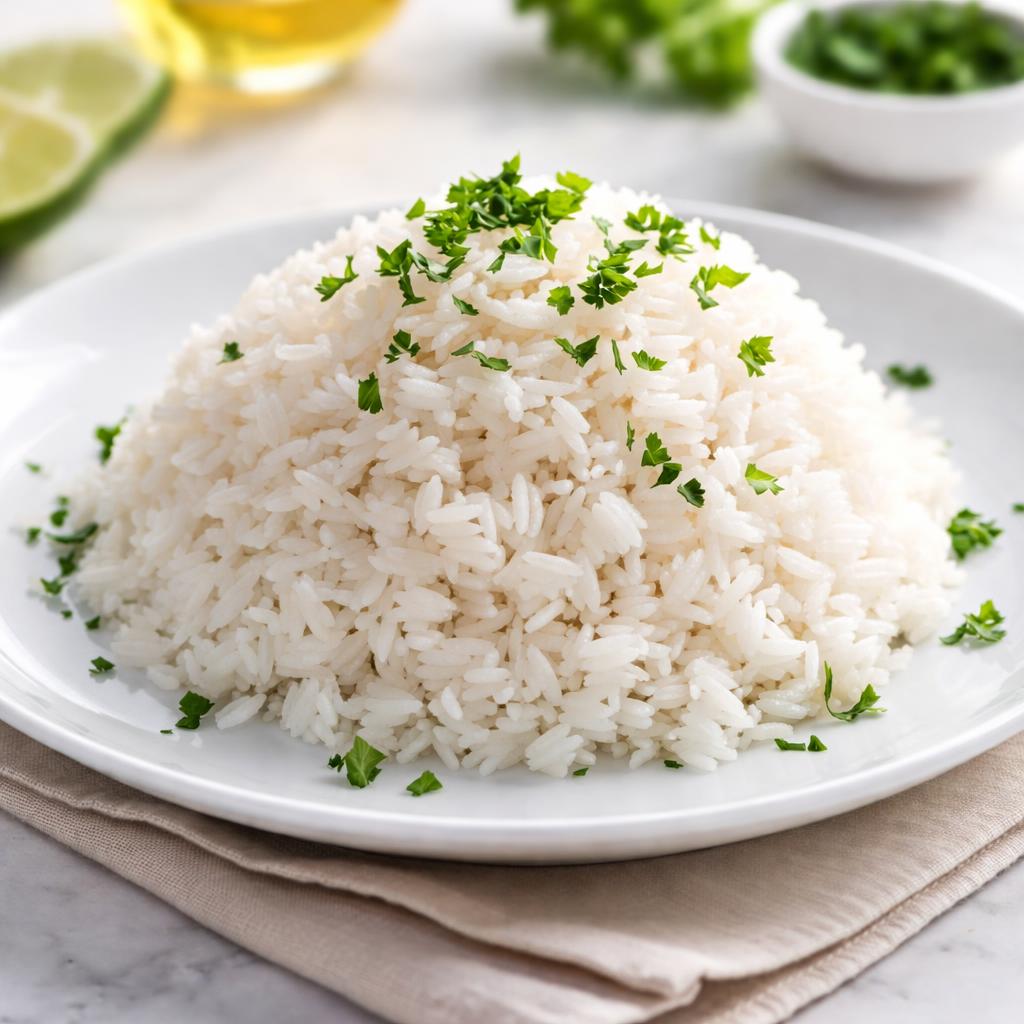
Rice
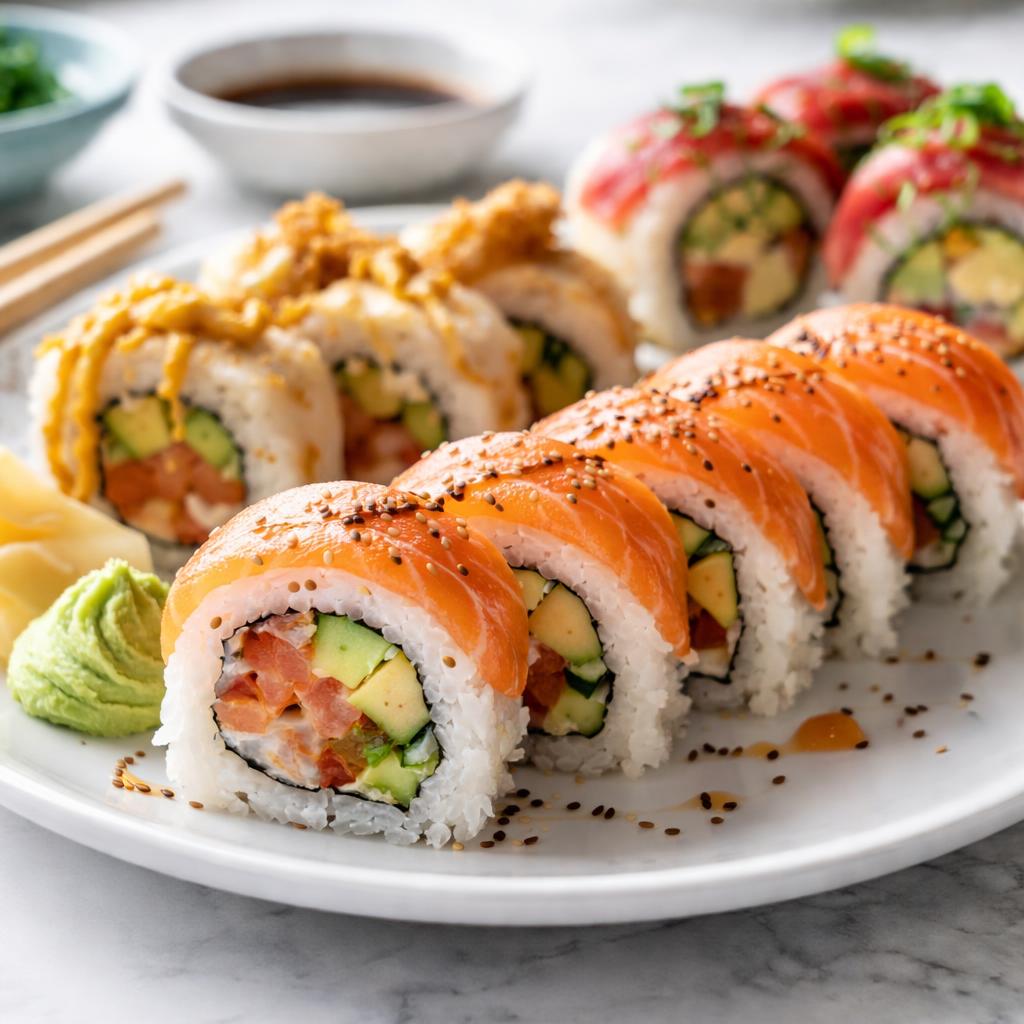
Sushi
🎯 Quick Verdict
Sushi outshines rice overall due to its higher protein content (from fish or other fillings), and nutrient diversity. Rice provides slightly more fiber and is a good neutral base for energy. Sushi is ideal for a more balanced, nutrient-dense choice while rice works well for an affordable carb source and broader dietary compatibility.

Smart Nutrition Tracking with SnapCalorie

📊 Nutritional Comparison
Macronutrients
| Nutrient | Food 1 | Food 2 | Winner |
|---|---|---|---|
| Calories | 130 per 1 cup | 130 per 3 pieces (typical sushi) | − |
| Protein | 2.8g | 8g | ✓ |
| Carbs | 28g | 26g | ✓ |
| Fat | 0.3g | 3g | ✓ |
| Fiber | 0.6g | 0.3g | ✓ |
Vitamins & Minerals
| Nutrient | Food 1 | Food 2 | Winner |
|---|---|---|---|
| Vitamin D | 0mcg | 3mcg (fish-based sushi) | ✓ |
| Calcium | 10mg | 15mg | ✓ |
| Iron | 0.2mg | 1mg | ✓ |
🏆 Category Winners
Protein
Sushi contains significantly more protein due to fish and other fillings.
Fiber
Rice has about double the fiber content of sushi per serving.
Calories
Both have comparable calorie amounts per typical serving.
🥗 Diet Compatibility
Keto
Food 1: Not Compatible
Food 2: Not Compatible
Both are high in carbohydrates.
Vegan
Food 1: Compatible (with plain rice)
Food 2: Not Compatible (typically contains fish and seafood)
Rice is plant-based, while sushi often contains animal products.
Gluten Free
Food 1: Compatible
Food 2: Depends (some sushi may contain soy sauce with gluten)
Check ingredients for sushi, plain rice is gluten-free.
Paleo
Food 1: Not Compatible
Food 2: Not Compatible
Both contain refined carbohydrates like white rice.
Low-Carb
Food 1: Not Compatible
Food 2: Not Compatible
Both foods are high in carbs due to rice content.
💪 Health Benefits Comparison
Food 1 Benefits
- Affordable, versatile energy source
- A good option for digestion (low fiber content minimizes irritation)
- Provides small amounts of important minerals like manganese
Food 2 Benefits
- Rich in protein for muscle repair and growth (fish-based sushi)
- Contains omega-3 fatty acids for heart and brain health
- Provides diverse micronutrients including vitamin D and iodine (from seafood)
✅ The Bottom Line
Choose sushi for a balanced, nutrient-dense meal that offers protein and heart-healthy fats. Opt for rice when you need a simple, versatile carb choice that is affordable and works well for gluten-free and vegan diets.
Choose Food 1 for: Budget meals, carb-loading, dietary base for vegan/gluten-free diets
Choose Food 2 for: Balanced nutrition, protein-rich meals, heart-friendly options


