Rice VS Stir Fry
A detailed nutritional comparison
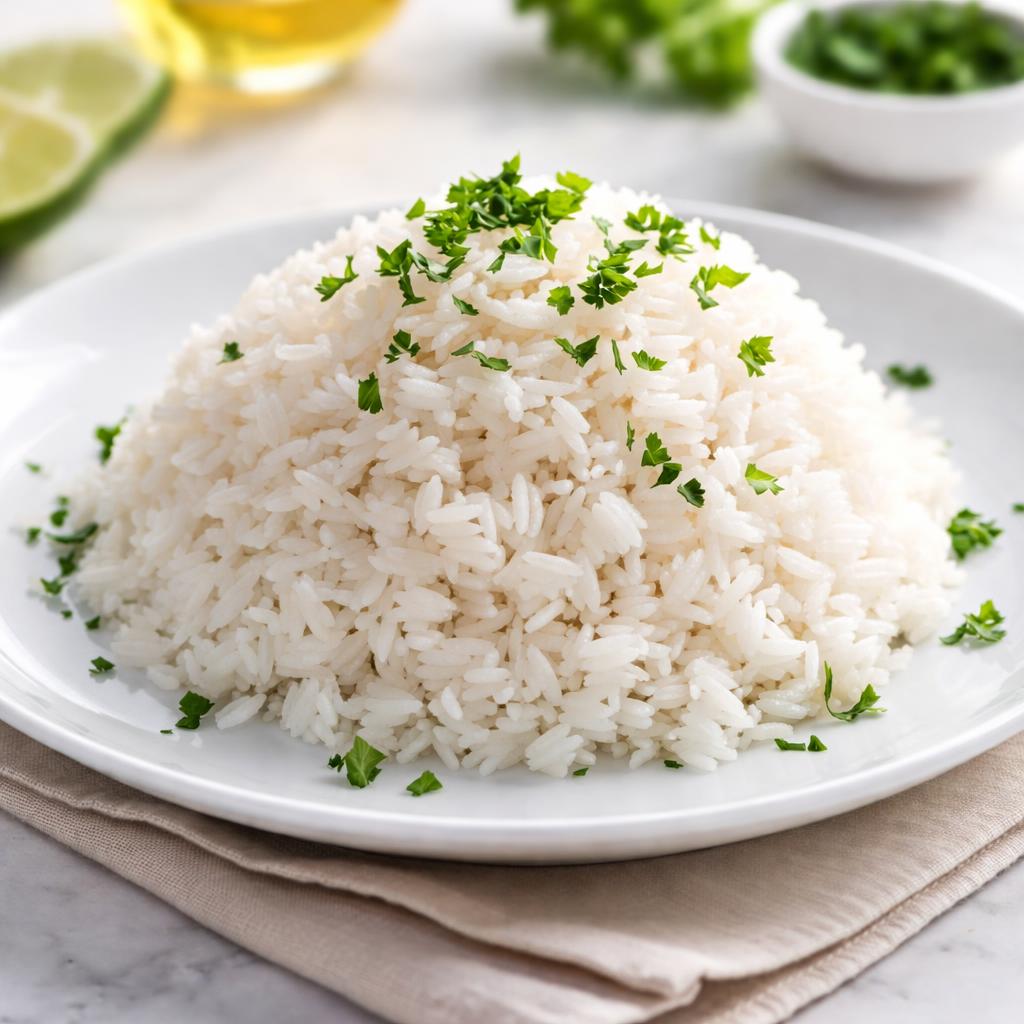
Rice
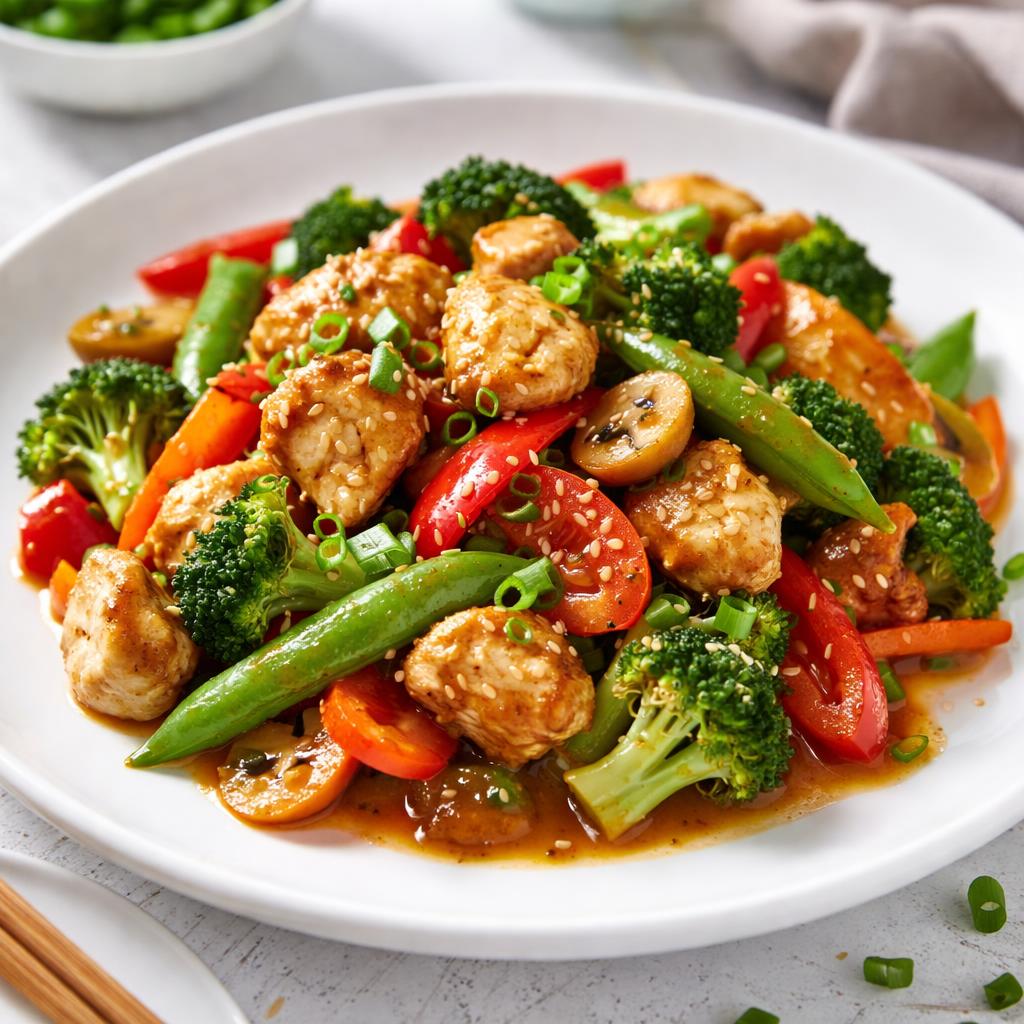
Stir Fry
🎯 Quick Verdict
Rice is a staple grain known for its simplicity and role as an energy source. Stir fry, on the other hand, combines vegetables, protein, and sometimes healthy fats into a nutritionally diverse option. While rice has fewer calories per serving, stir fry provides more protein, fiber, and micronutrients, making it more nutrient-dense and suitable for balanced meals.

Smart Nutrition Tracking with SnapCalorie

📊 Nutritional Comparison
Macronutrients
| Nutrient | Food 1 | Food 2 | Winner |
|---|---|---|---|
| Calories | 206 | 250 | ✓ |
| Protein | 4g | 15g | ✓ |
| Carbs | 45g | 20g | ✓ |
| Fat | 0.5g | 10g | ✓ |
| Fiber | 0.6g | 3g | ✓ |
Vitamins & Minerals
| Nutrient | Food 1 | Food 2 | Winner |
|---|---|---|---|
| Vitamin A | 0mcg | 200mcg | ✓ |
| Vitamin C | 0mg | 40mg | ✓ |
| Iron | 0.2mg | 2mg | ✓ |
🏆 Category Winners
Protein
Stir fry contains nearly 4 times more protein due to added ingredients like tofu or chicken.
Fiber
Stir fry provides substantially more fiber, which promotes digestive health.
Calories
Rice has fewer calories per serving, making it a lighter option.
🥗 Diet Compatibility
Keto
Food 1: Not Compatible
Food 2: Compatible
Stir fry typically includes low-carb vegetables, while rice is high in carbs.
Vegan
Food 1: Compatible
Food 2: Compatible
Both work for a vegan diet, but stir fry should avoid animal-based proteins.
Gluten Free
Food 1: Compatible
Food 2: Compatible
Both foods are naturally free from gluten.
Paleo
Food 1: Not Compatible
Food 2: Compatible
Rice is excluded in the paleo diet, whereas stir fry (without soy sauce) aligns with paleo principles.
Low Carb
Food 1: Not Compatible
Food 2: Compatible
Rice is high in carbohydrates, while stir fry usually contains significantly fewer carbs.
💪 Health Benefits Comparison
Food 1 Benefits
- Provides quick energy due to high carbohydrate content
- Low in fat for weight management
- Easy to digest, ideal for sensitive stomachs
Food 2 Benefits
- Rich in protein for muscle repair and growth
- High in fiber for improved digestion
- Includes diverse vitamins, especially A and C, for immunity and eye health
- Contains healthy fats (if prepared with olive oil or added nuts/seeds)
✅ The Bottom Line
Rice is a quick, lighter option ideal for clean energy or pairing with other foods. Stir fry is a more complete meal, rich in protein, fiber, and micronutrients, suitable for those aiming for balanced nutrition or weight management. Opt for stir fry for nutrient density; choose rice for simplicity and lower calorie intake.
Choose Food 1 for: Energy boosts, simple meals, pairing with protein
Choose Food 2 for: Balanced meals, weight management, nutrient variety


