Rice VS Steamed Vegetables
A detailed nutritional comparison
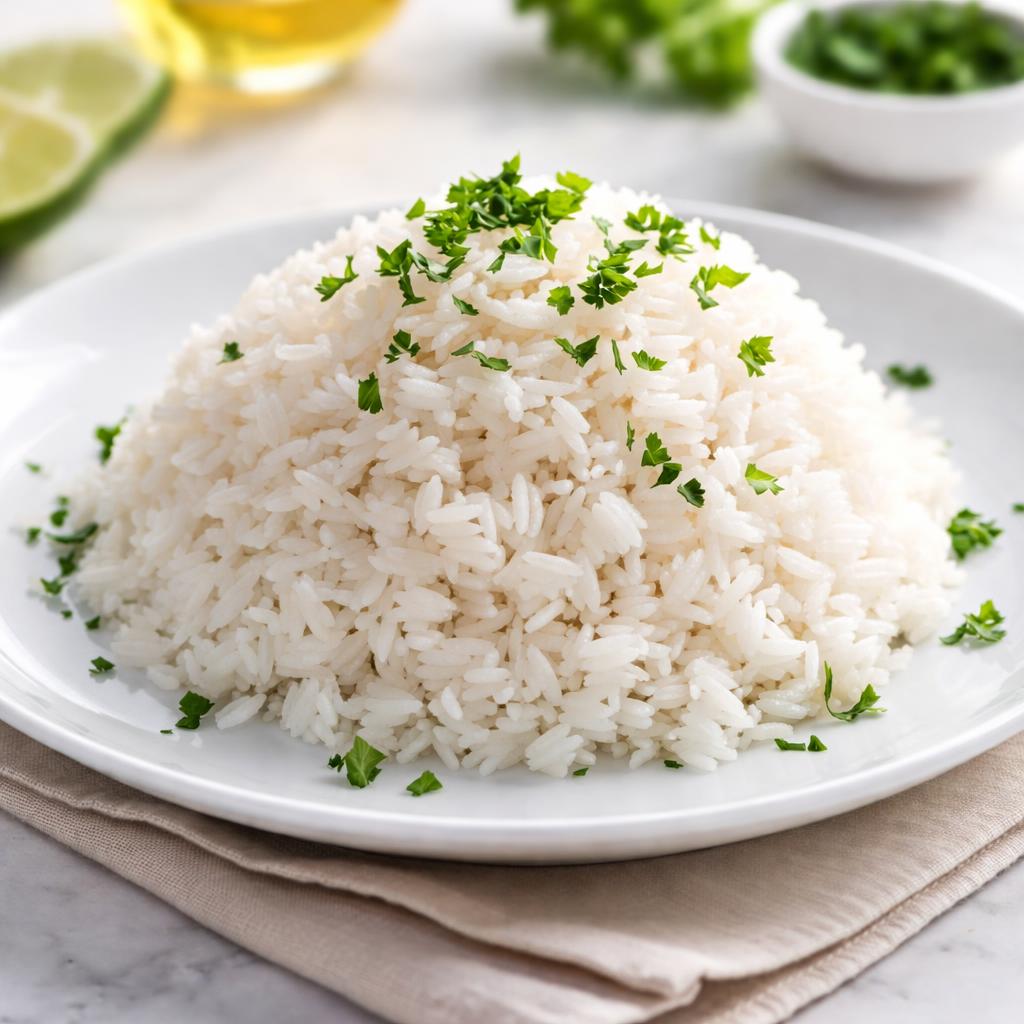
Rice
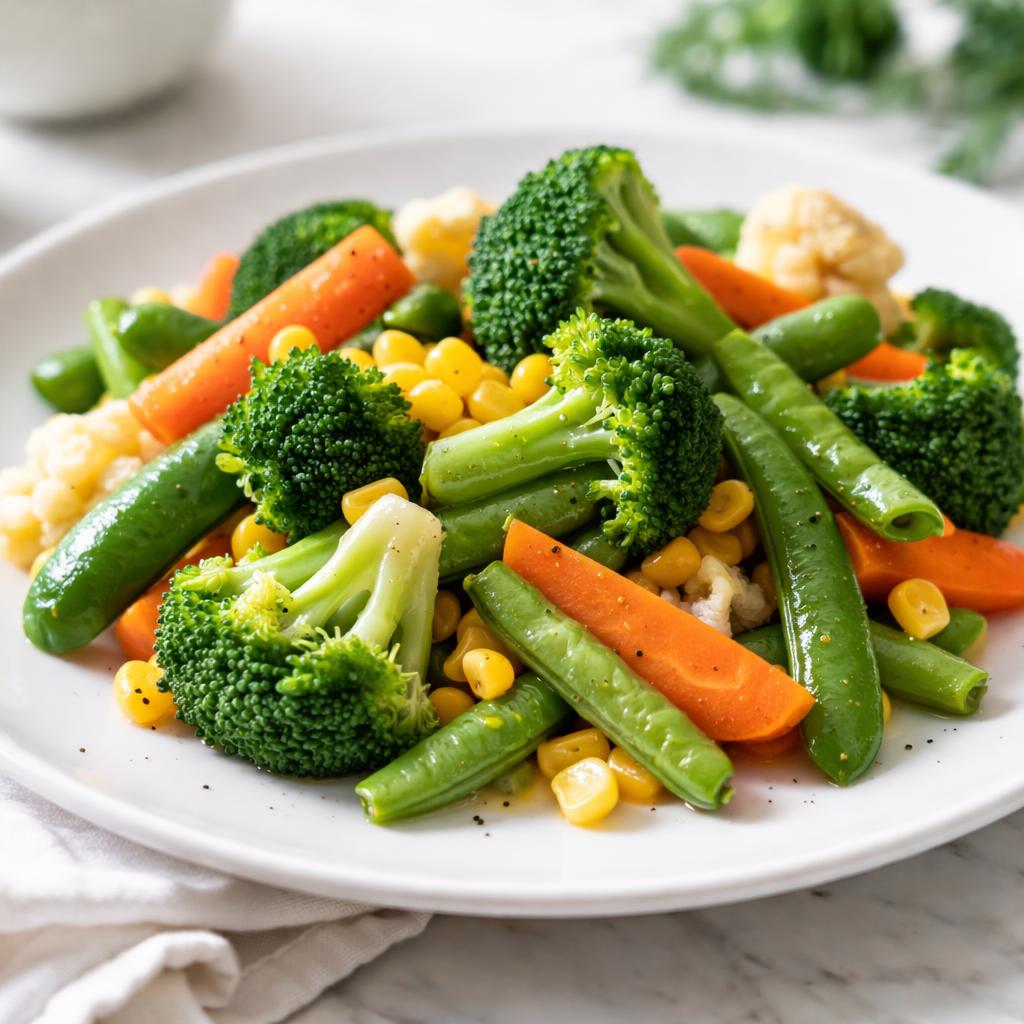
Steamed Vegetables
🎯 Quick Verdict
Steamed vegetables outshine rice in terms of fiber, protein, and overall nutrient density, making them ideal for weight management and improved digestion. On the other hand, rice provides more energy through carbohydrates, making it a better choice for quick energy boosts and athletes needing carb loading.

Smart Nutrition Tracking with SnapCalorie

📊 Nutritional Comparison
Macronutrients
| Nutrient | Food 1 | Food 2 | Winner |
|---|---|---|---|
| Calories | 206 (1 cup cooked) | 50 (1 cup, variety mix) | ✓ |
| Protein | 4.3g | 3g | ✓ |
| Carbs | 45g | 10g | ✓ |
| Fat | 0.4g | 0.3g | − |
| Fiber | 0.6g | 3g | ✓ |
Vitamins & Minerals
| Nutrient | Food 1 | Food 2 | Winner |
|---|---|---|---|
| Vitamin C | 0mg | 30mg | ✓ |
| Vitamin A | 0IU | 1000IU | ✓ |
| Potassium | 55mg | 300mg | ✓ |
| Iron | 0.5mg | 1mg | ✓ |
🏆 Category Winners
Protein
Rice contains slightly more protein, though both are relatively low-protein foods.
Fiber
Steamed vegetables provide five times more fiber than rice per serving.
Calories
Steamed vegetables offer significantly fewer calories, making them ideal for calorie-conscious diets.
Vitamins
Vegetables are richer in essential vitamins like Vitamin C, Vitamin A, and potassium.
🥗 Diet Compatibility
Keto
Food 1: Not Compatible
Food 2: Compatible
Rice is high in carbs, while vegetables are low-carb and gluten-free.
Vegan
Food 1: Compatible
Food 2: Compatible
Both foods are plant-based and suitable for vegan diets.
Gluten Free
Food 1: Compatible
Food 2: Compatible
Both rice and steamed vegetables do not contain gluten.
Paleo
Food 1: Compatible
Food 2: Compatible
Both are compliant with paleo guidelines.
Low-Carb
Food 1: Not Compatible
Food 2: Compatible
Rice is carb-heavy, while vegetables are low-carb.
💪 Health Benefits Comparison
Food 1 Benefits
- Good source of quick energy from carbs
- Low in fat for heart health
- Provides small amounts of protein to complement meals
Food 2 Benefits
- High in fiber for improved digestion
- Rich in vitamins and minerals for overall health
- Low in calories, ideal for weight management
- Contains antioxidants for inflammation reduction
✅ The Bottom Line
Rice is ideal for athletes or active individuals needing a quick carbohydrate boost, while steamed vegetables are better for those focusing on a nutrient-dense, low-calorie diet. Each food serves different dietary goals effectively.
Choose Food 1 for: Pre-workout energy, carb loading, mixed meal additions
Choose Food 2 for: Weight management, digestion support, vitamin intake


