Rice VS Seasoning
A detailed nutritional comparison
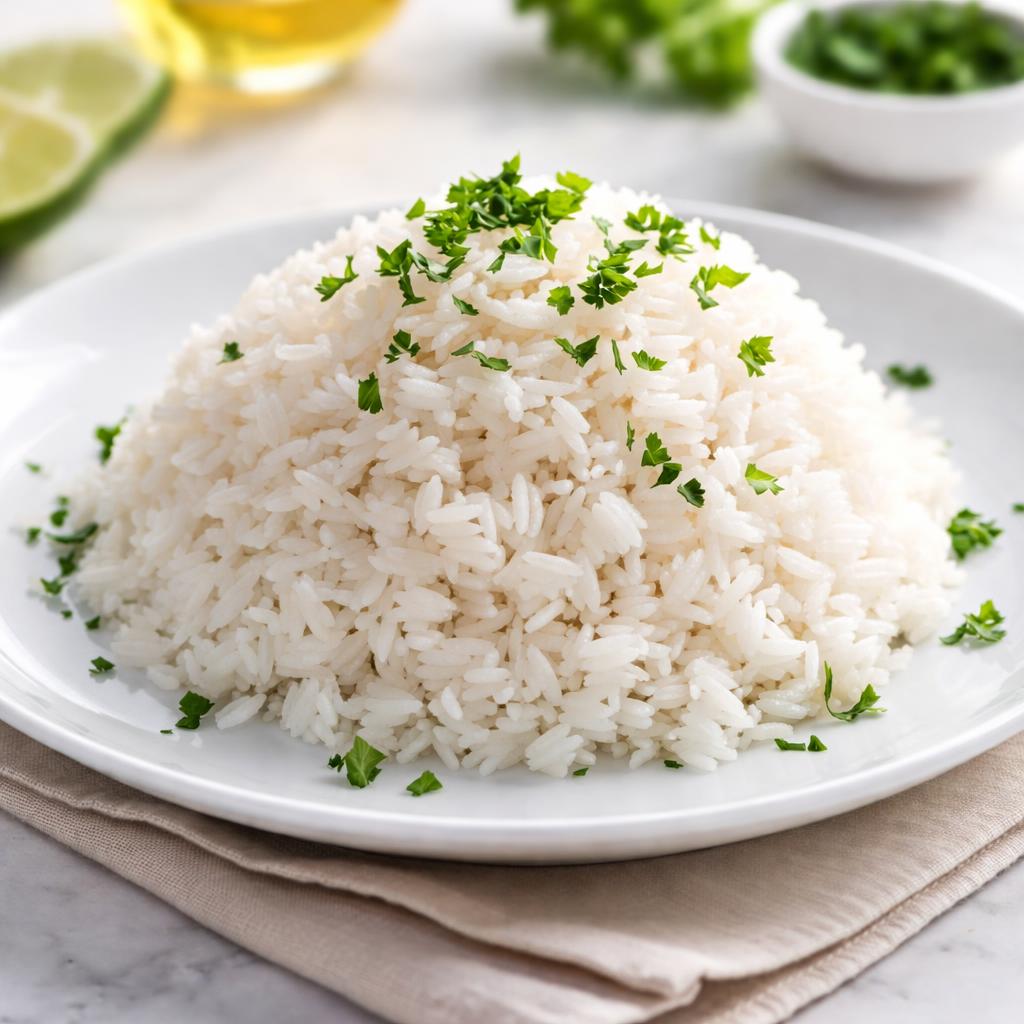
Rice
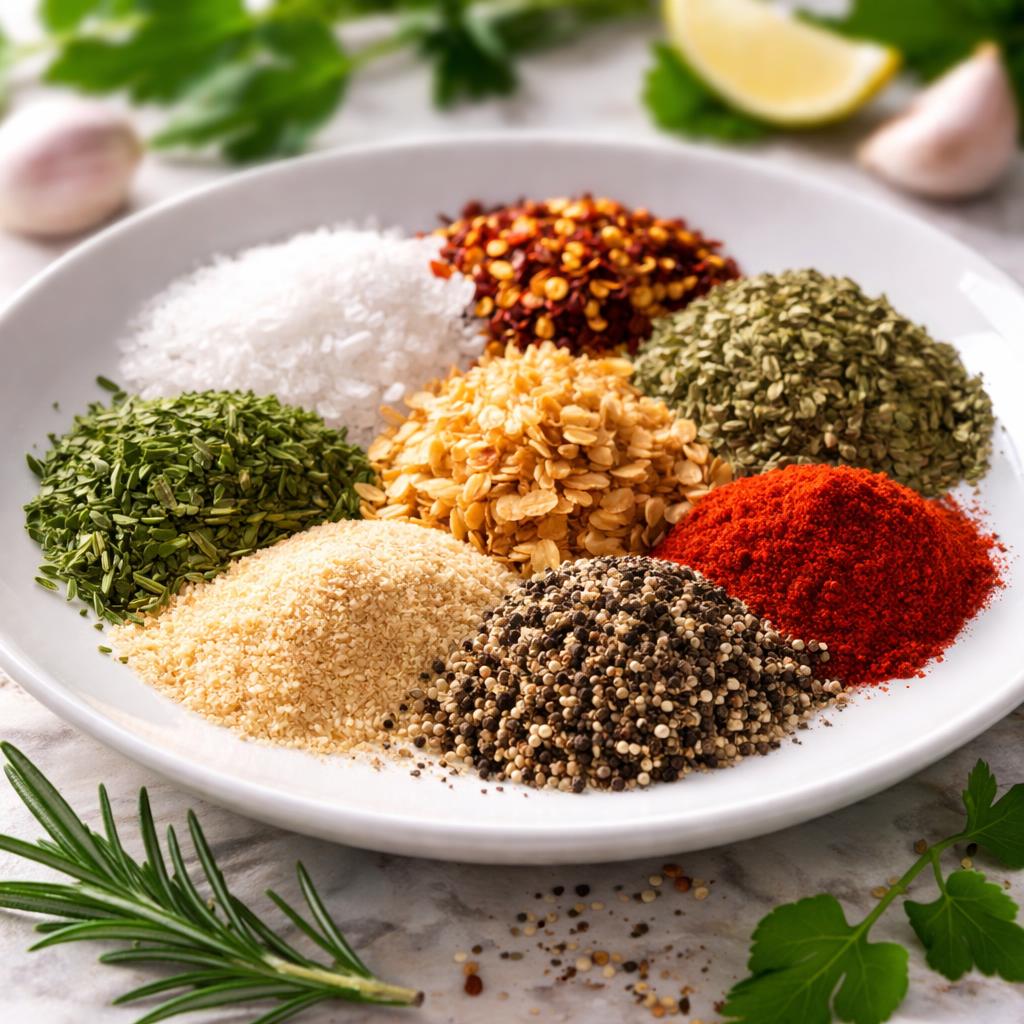
Seasoning
🎯 Quick Verdict
Rice is a carb-rich staple, providing energy, minor protein, and fiber, while seasoning primarily adds flavor with negligible nutritional contributions. Rice is best suited as a primary source of calories or energy, whereas seasoning enhances taste while maintaining low calorie content and minimal macronutrients.

Smart Nutrition Tracking with SnapCalorie

📊 Nutritional Comparison
Macronutrients
| Nutrient | Food 1 | Food 2 | Winner |
|---|---|---|---|
| Calories | 130 per 1/2 cup cooked | 10 per teaspoon | ✓ |
| Protein | 2g per 1/2 cup cooked | 0g per teaspoon | − |
| Carbs | 28g per 1/2 cup cooked | 1g per teaspoon | ✓ |
| Fat | 0.3g per 1/2 cup cooked | 0g per teaspoon | ✓ |
| Fiber | 0.6g per 1/2 cup cooked | 0g per teaspoon | ✓ |
Vitamins & Minerals
| Nutrient | Food 1 | Food 2 | Winner |
|---|---|---|---|
| Vitamin D | 0mcg | 0mcg | − |
| Calcium | 10mg | 0mg | ✓ |
| Iron | 0.9mg | 0mg | ✓ |
🏆 Category Winners
Protein
Neither food is a significant source of protein.
Fiber
Rice contains slight fiber content, while seasoning has none.
Calories
Seasoning is extremely low in calories, providing only a fraction per serving.
Vitamins
Rice provides trace amounts of essential minerals like calcium and iron.
🥗 Diet Compatibility
Keto
Food 1: Not Compatible
Food 2: Compatible
Rice is carb-heavy while seasoning has negligible carbs.
Vegan
Food 1: Compatible
Food 2: Compatible
Both are plant-based and suitable for vegan diets.
Gluten Free
Food 1: Compatible
Food 2: Compatible
Neither food contains gluten naturally.
Paleo
Food 1: Compatible
Food 2: Compatible
Both are allowed on paleo diets, provided seasoning is additive-free.
Low-Carb
Food 1: Not Compatible
Food 2: Compatible
Rice is high in carbs, while seasoning contributes negligible carbs.
💪 Health Benefits Comparison
Food 1 Benefits
- Provides sustained energy due to high carbohydrate content
- Low fat, making it a lighter staple food
- Contains small amounts of iron for improved oxygen transport
Food 2 Benefits
- Adds flavor without significantly increasing calorie count, aiding weight management
- Can include beneficial spices like turmeric or garlic with anti-inflammatory properties
- Extremely versatile for enhancing a wide variety of meals without macronutrient impact
✅ The Bottom Line
Rice should be chosen as an energy-rich staple for meals needing bulk or sustenance, while seasoning is best for enhancing meal flavor without adding calories or nutrients. They serve starkly different purposes in meal construction.
Choose Food 1 for: High-carb diets, energy needs, meal bases
Choose Food 2 for: Low-calorie flavor enhancement, keto recipes, diverse seasoning applications


