Rice VS Salt
A detailed nutritional comparison
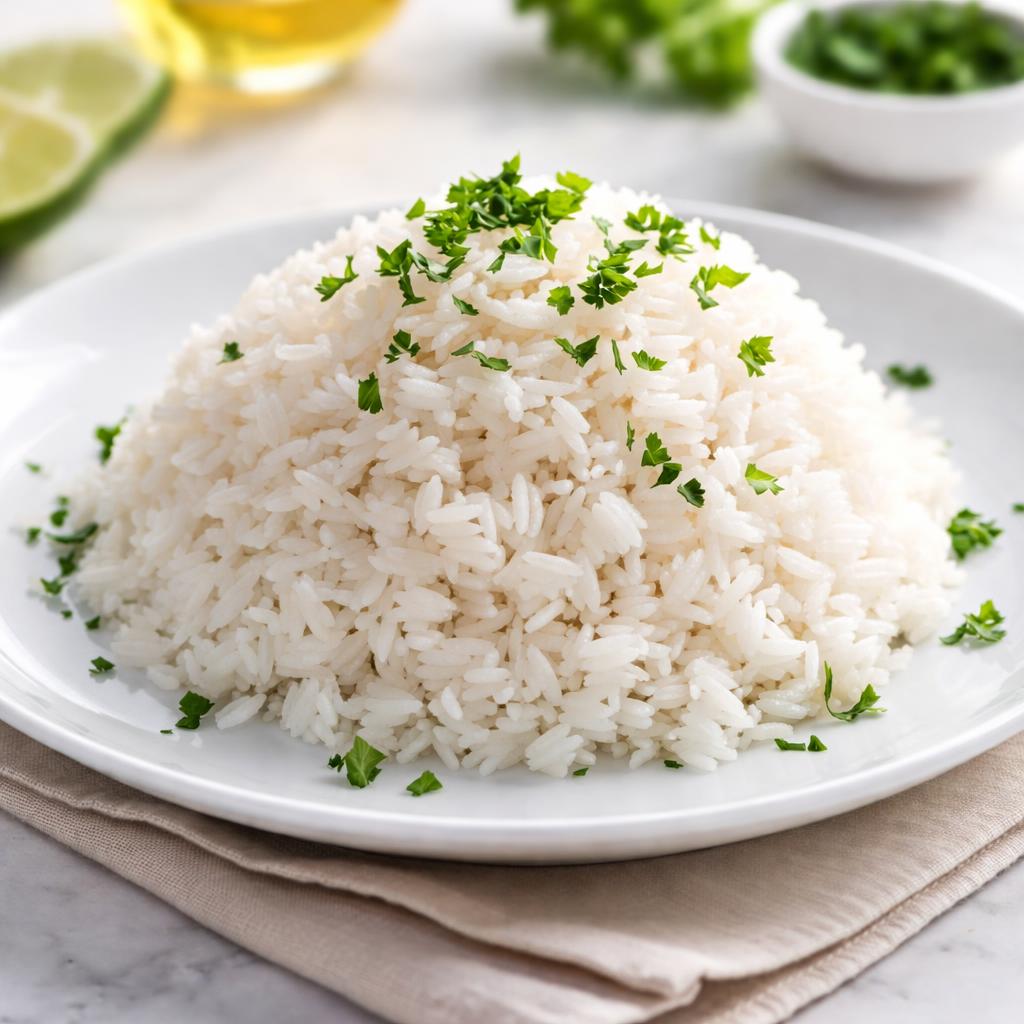
Rice
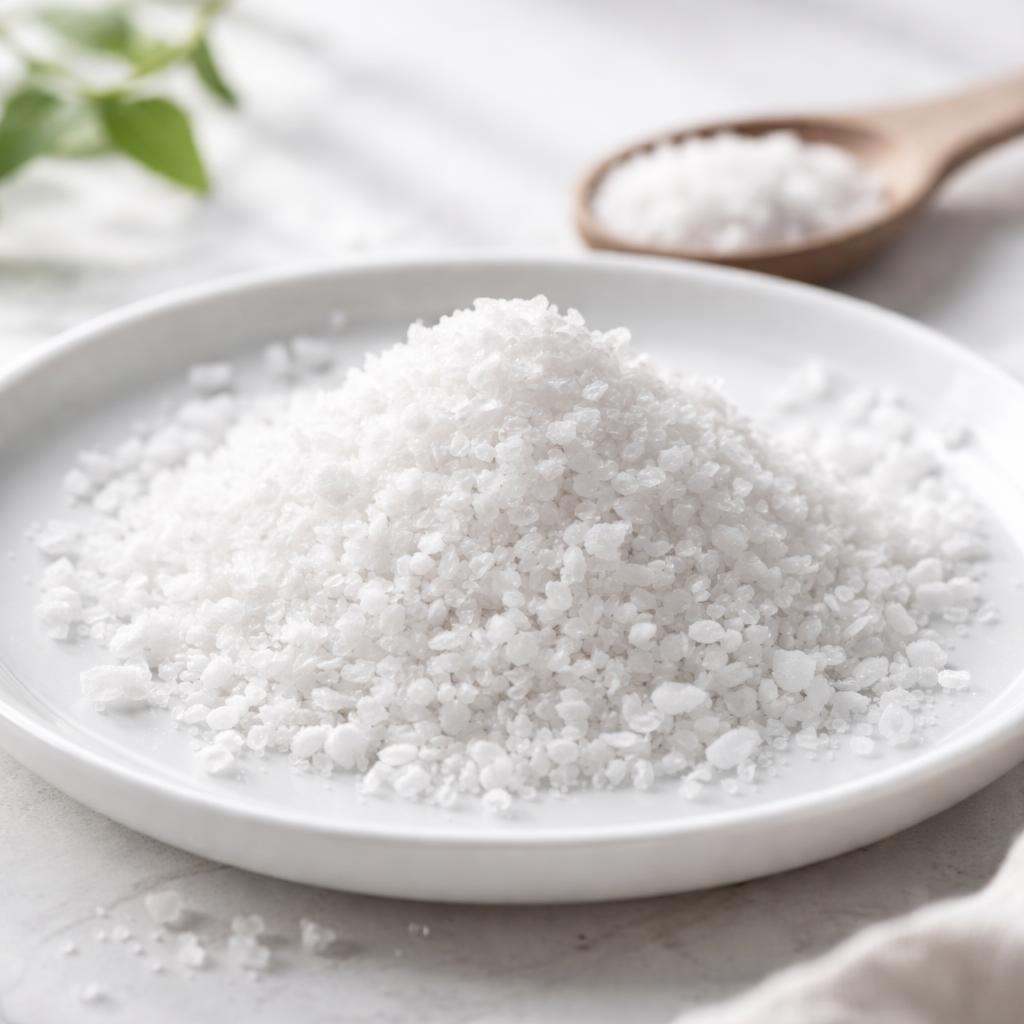
Salt
🎯 Quick Verdict
Rice and salt are fundamentally different in nutritional composition. Rice provides essential macronutrients—calories, protein, and fiber—making it a staple carbohydrate source for energy. On the other hand, salt provides sodium, an essential mineral, but lacks macronutrients, calories, and vitamins. Rice is suited for fueling the body while salt enhances flavor and balances electrolytes in moderation.

Smart Nutrition Tracking with SnapCalorie

📊 Nutritional Comparison
Macronutrients
| Nutrient | Food 1 | Food 2 | Winner |
|---|---|---|---|
| Calories | 205 kcal (1 cup cooked) | 0 kcal (1 tsp) | ✓ |
| Protein | 4.25g (1 cup cooked) | 0g (1 tsp) | ✓ |
| Carbs | 44.5g (1 cup cooked) | 0g (1 tsp) | ✓ |
| Fat | 0.44g (1 cup cooked) | 0g (1 tsp) | ✓ |
| Fiber | 0.6g (1 cup cooked) | 0g (1 tsp) | ✓ |
Vitamins & Minerals
| Nutrient | Food 1 | Food 2 | Winner |
|---|---|---|---|
| Vitamin D | 0mcg | 0mcg | − |
| Calcium | 16mg (1 cup cooked) | 0mg (1 tsp) | ✓ |
| Iron | 0.36mg (1 cup cooked) | 0mg (1 tsp) | ✓ |
| Sodium | 1mg (1 cup cooked) | 2325mg (1 tsp) | ✓ |
🏆 Category Winners
Protein
Rice contains 4.25g per serving compared to 0g in salt.
Fiber
Rice provides 0.6g of fiber, whereas salt contains none.
Calories
Salt provides no calories, making it the lower-calorie option.
Vitamins
Rice offers small amounts of calcium and iron, whereas salt lacks vitamins.
🥗 Diet Compatibility
Keto
Food 1: Not Compatible
Food 2: Compatible
Rice is high in carbohydrates, while salt contains no carbs.
Vegan
Food 1: Compatible
Food 2: Compatible
Both rice and salt are vegan.
Gluten Free
Food 1: Compatible
Food 2: Compatible
Neither rice nor salt contains gluten.
Paleo
Food 1: Compatible
Food 2: Compatible
Both are allowed on a paleo diet in moderation.
Low Carbohydrate
Food 1: Not Compatible
Food 2: Compatible
Rice is high in carbohydrates, while salt has none.
💪 Health Benefits Comparison
Food 1 Benefits
- Provides a quick source of energy through carbohydrates.
- Contains small amounts of B vitamins for energy metabolism.
- Gentle on the stomach and ideal for recovery after illness.
Food 2 Benefits
- Essential for maintaining electrolyte balance in the body.
- Enhances flavor in foods, contributing to overall dietary satisfaction.
- Helps prevent iodine deficiency when iodized salt is used.
✅ The Bottom Line
Rice is a nutrient-dense option suitable for meals requiring energy and balanced macros, while salt plays a vital but complementary role for sodium balance and flavor enhancement. Choose rice for more substantial sustenance in meals, and use salt sparingly to season and support hydration needs.
Choose Food 1 for: Staple source of carbohydrates, balanced meals, energy boosting.
Choose Food 2 for: Flavor enhancement, electrolyte replenishment, iodine supplementation.


