Rice VS Salsa
A detailed nutritional comparison
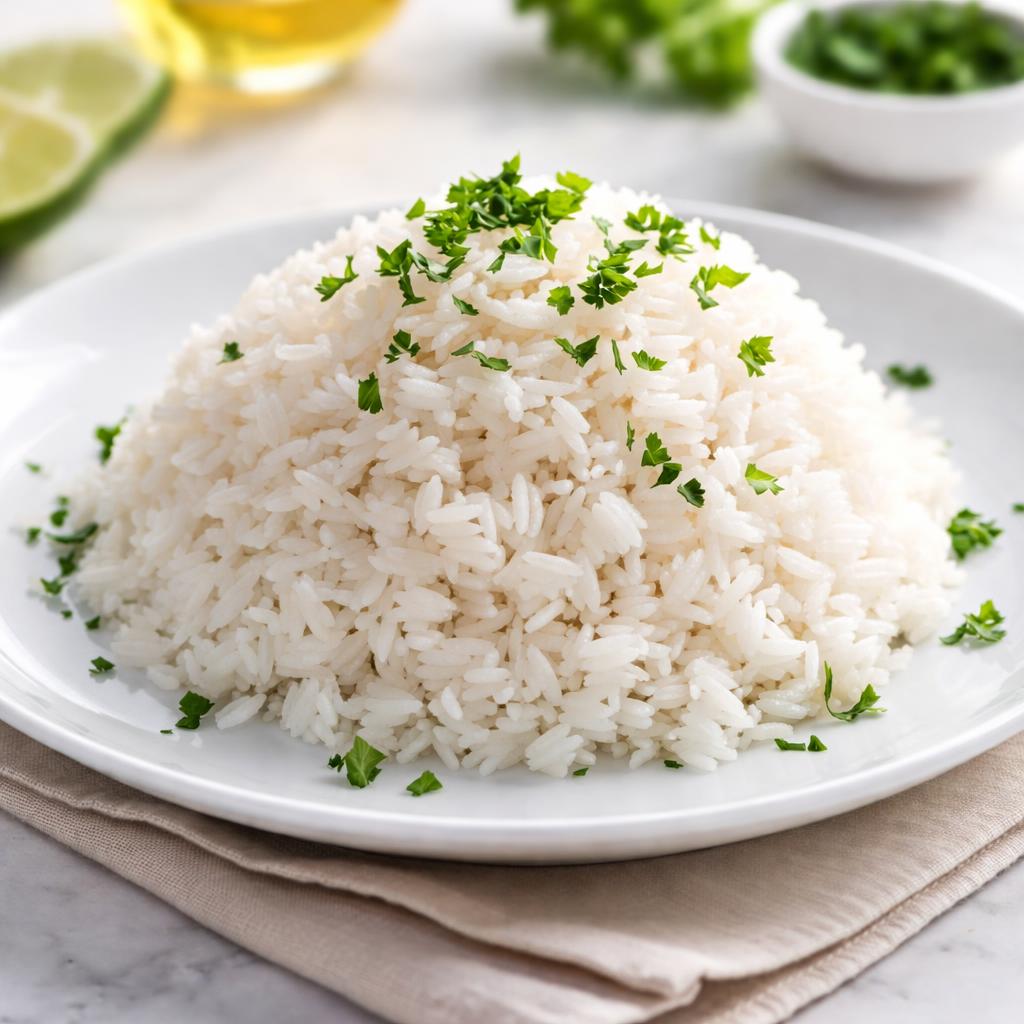
Rice
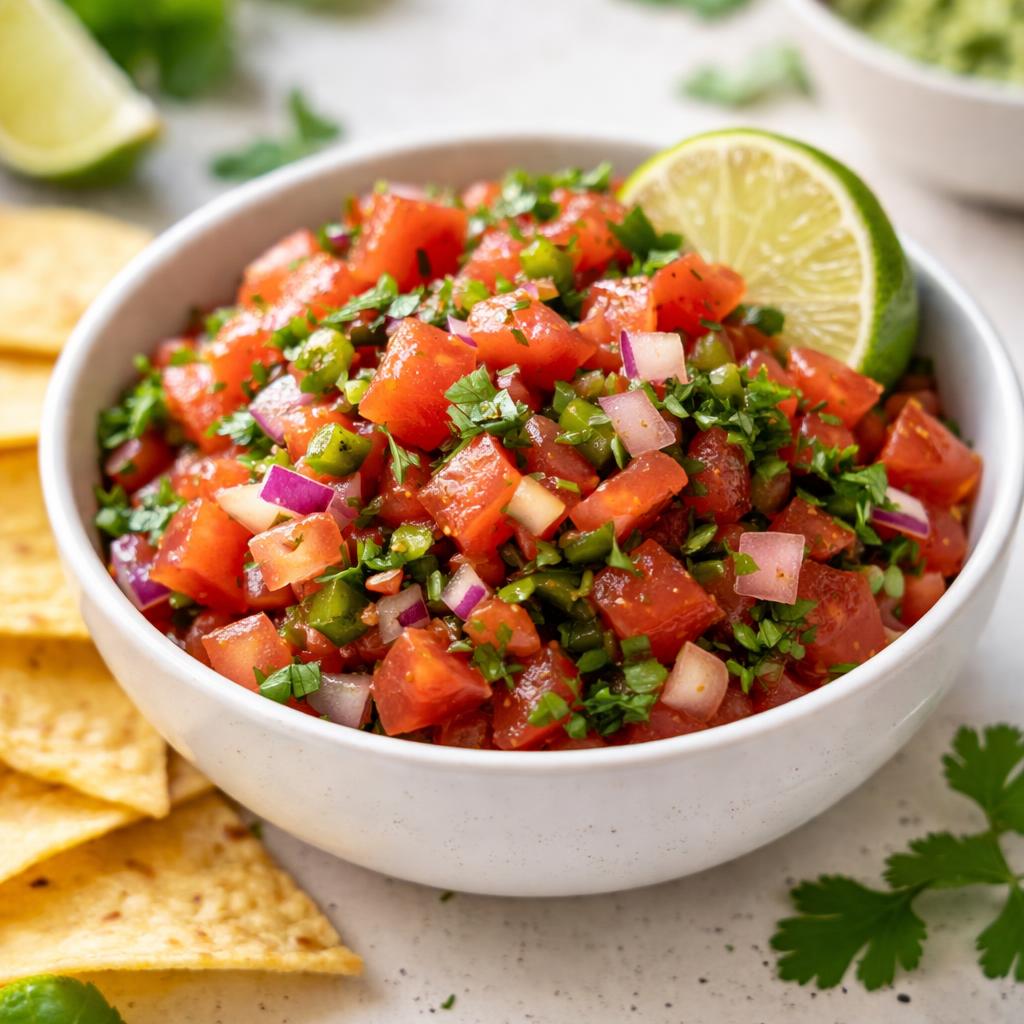
Salsa
🎯 Quick Verdict
Rice is a calorie-dense carbohydrate source, ideal for energy and fueling physical activity, while salsa is a low-calorie, nutrient-rich condiment packed with fiber and vitamin C from tomatoes and vegetables. Rice pairs well with proteins for balanced meals, and salsa serves as a flavor enhancer with fewer calories and added nutrients.

Smart Nutrition Tracking with SnapCalorie

📊 Nutritional Comparison
Macronutrients
| Nutrient | Food 1 | Food 2 | Winner |
|---|---|---|---|
| Calories | 206 (per 1 cup cooked) | 35 (per 100g) | ✓ |
| Protein | 4.3g | 1g | ✓ |
| Carbs | 45g | 8g | ✓ |
| Fat | 0.4g | 0.2g | ✓ |
| Fiber | 0.6g | 1.5g | ✓ |
Vitamins & Minerals
| Nutrient | Food 1 | Food 2 | Winner |
|---|---|---|---|
| Vitamin D | 0mcg | 0mcg | − |
| Vitamin C | 0mg | 8mg | ✓ |
| Calcium | 16mg | 10mg | ✓ |
| Iron | 0.35mg | 0.5mg | ✓ |
🏆 Category Winners
Protein
Rice provides over 4g of protein per serving, compared to salsa with just 1g.
Fiber
Salsa has over double the fiber content of rice.
Calories
Salsa is much lower in calories, offering 35 calories per serving compared to 206 for rice.
🥗 Diet Compatibility
Keto
Food 1: Not Compatible
Food 2: Compatible
Rice is high in carbs, while salsa has fewer carbohydrates per serving.
Vegan
Food 1: Compatible
Food 2: Compatible
Both are plant-based foods suitable for vegan diets.
Gluten Free
Food 1: Compatible
Food 2: Compatible
Neither food contains gluten.
Paleo
Food 1: Not Compatible
Food 2: Compatible
Rice is excluded from paleo diets, while salsa fits within the whole-food guidelines.
Low-Carb
Food 1: Not Compatible
Food 2: Compatible
Rice contains 45g of carbs per cup, whereas salsa only has 8g per serving.
💪 Health Benefits Comparison
Food 1 Benefits
- Excellent source of carbohydrates for energy
- Contains small amounts of protein for muscle maintenance
- Low in fat, making it suitable for low-fat diets
Food 2 Benefits
- High in fiber to promote digestion
- Rich in vitamin C for immune health
- Low-calorie and nutrient-dense, suitable for weight management
✅ The Bottom Line
Choose rice when you need a dense energy source, such as before workouts or for high-carb meals, while salsa is great for adding flavor and nutrients without excess calories. They complement each other well in balanced meals.
Choose Food 1 for: Energy, post-workout recovery, carbohydrate-based diets
Choose Food 2 for: Weight management, digestive health, flavor enhancement


