Rice VS Rose Wine
A detailed nutritional comparison
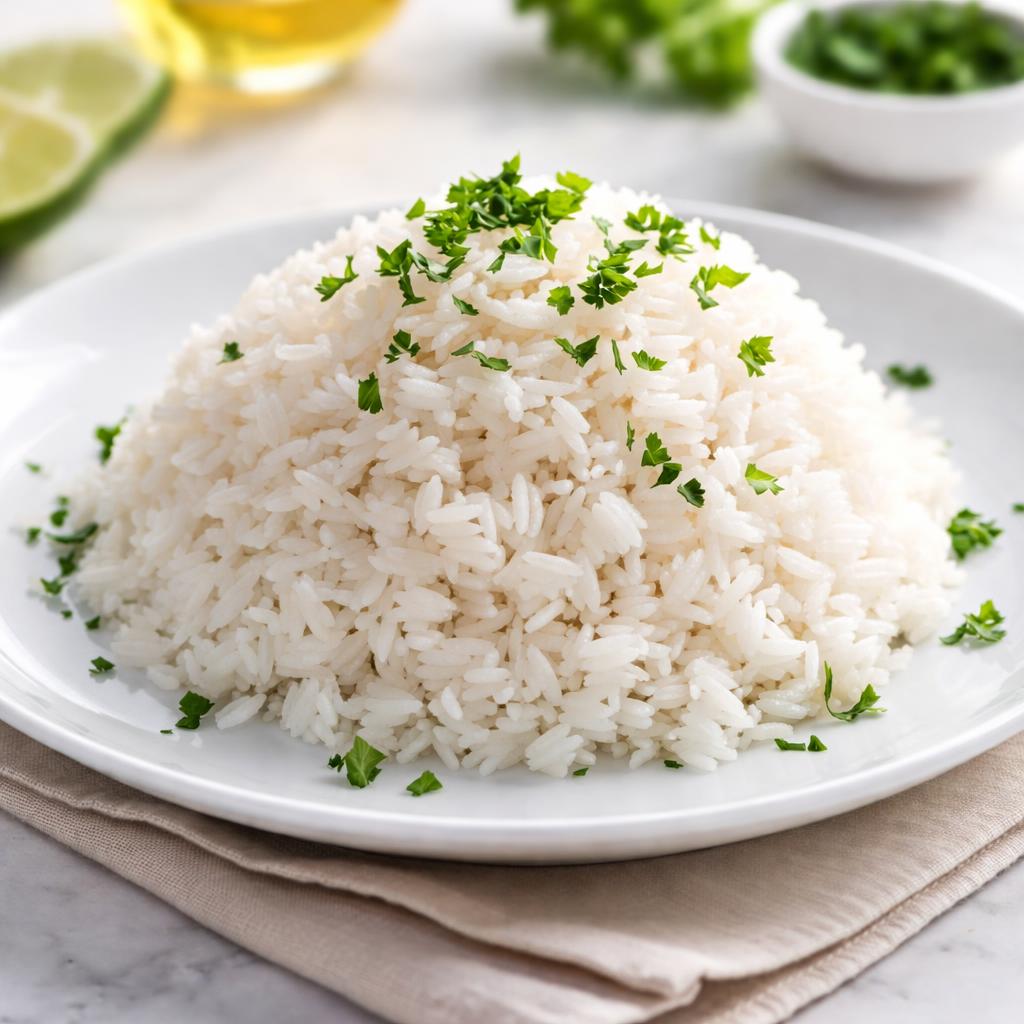
Rice
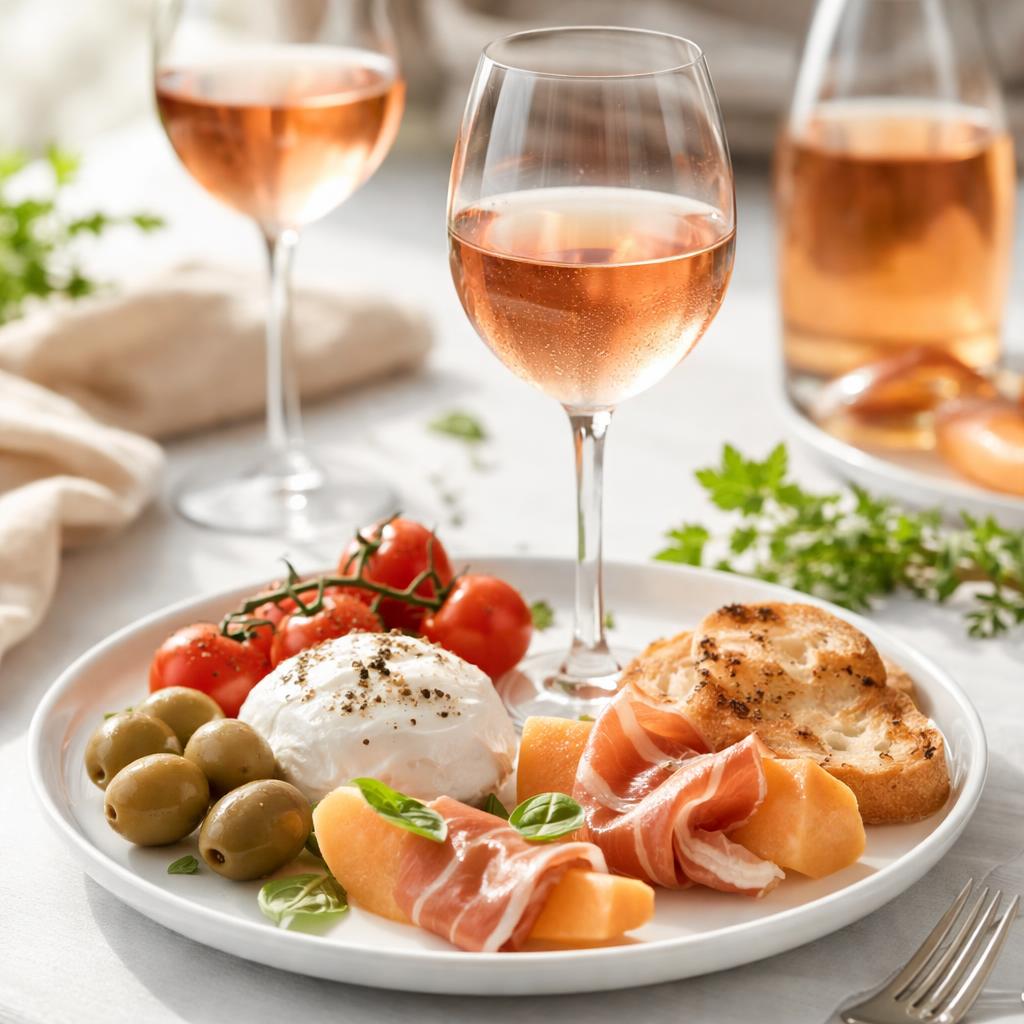
Rose Wine
🎯 Quick Verdict
Rice is a staple carbohydrate-rich food, offering protein and fiber, while rose wine is a beverage with calories but negligible nutrients. Rice is better for those seeking sustenance and nutrition, whereas rose wine may suit social or leisurely occasions without a focus on health benefits.

Smart Nutrition Tracking with SnapCalorie

📊 Nutritional Comparison
Macronutrients
| Nutrient | Food 1 | Food 2 | Winner |
|---|---|---|---|
| Calories | 206 (per 1 cup cooked) | 125 (per 5 oz glass) | ✓ |
| Protein | 4.5g | 0g | ✓ |
| Carbs | 45g | 3.8g | ✓ |
| Fat | 0.4g | 0g | ✓ |
| Fiber | 0.6g | 0g | ✓ |
Vitamins & Minerals
| Nutrient | Food 1 | Food 2 | Winner |
|---|---|---|---|
| Vitamin D | 0mcg | 0mcg | − |
| Calcium | 16mg | 11mg | ✓ |
| Iron | 0.2mg | 0.3mg | ✓ |
🏆 Category Winners
Protein
Rice provides 4.5g of protein per serving, while rose wine has none.
Fiber
Rice contains 0.6g of fiber per cup, which is absent in rose wine.
Calories
Rose wine has fewer calories per serving than rice.
Vitamins
Neither food is a significant source of vitamins; most values are minimal.
🥗 Diet Compatibility
Keto
Food 1: Not Compatible
Food 2: Not Compatible
Both are high-carb or empty calorie options unsuitable for keto.
Vegan
Food 1: Compatible
Food 2: Compatible
Both are plant-based and vegan-friendly.
Gluten Free
Food 1: Compatible
Food 2: Compatible
Rice is naturally gluten-free, and wine typically contains no gluten.
Paleo
Food 1: Compatible
Food 2: Not Compatible
Rice can fit into some less-strict paleo diets, but alcohol is generally excluded.
Low-Carb
Food 1: Not Compatible
Food 2: Compatible
Rose wine is low-carb at 3.8g per serving, while rice has 45g of carbs per cup.
💪 Health Benefits Comparison
Food 1 Benefits
- Provides sustained energy from complex carbohydrates
- Contains small amounts of protein for muscle health
- Gluten-free and easy to digest
Food 2 Benefits
- Low in carbs, making it suitable for occasional indulgence in low-carb diets
- Contains antioxidants like resveratrol in small amounts (associated with heart health benefits)
- May promote relaxation and social bonding
✅ The Bottom Line
Between rice and rose wine, rice is a better choice for nutritional sustenance, providing complex carbs, fiber, and protein. Rose wine, however, may fit occasional social or leisure needs due to its lower carb count but lacks significant nutrients. Choose rice for everyday meals and energy, and opt for wine for social consumption in moderation.
Choose Food 1 for: Satisfying hunger, meal base, energy support
Choose Food 2 for: Low-carb indulgence, social settings, relaxation


