Rice VS Rice With Vermicelli
A detailed nutritional comparison
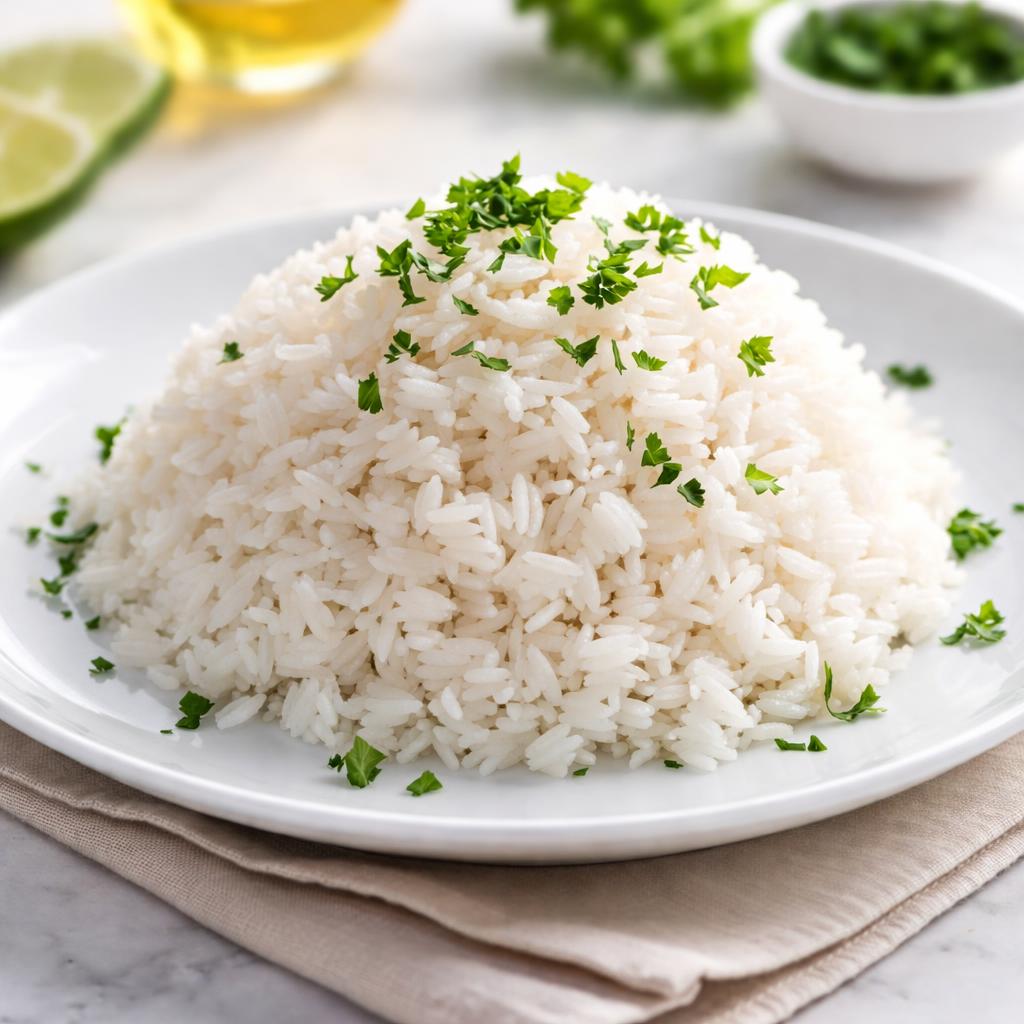
Rice
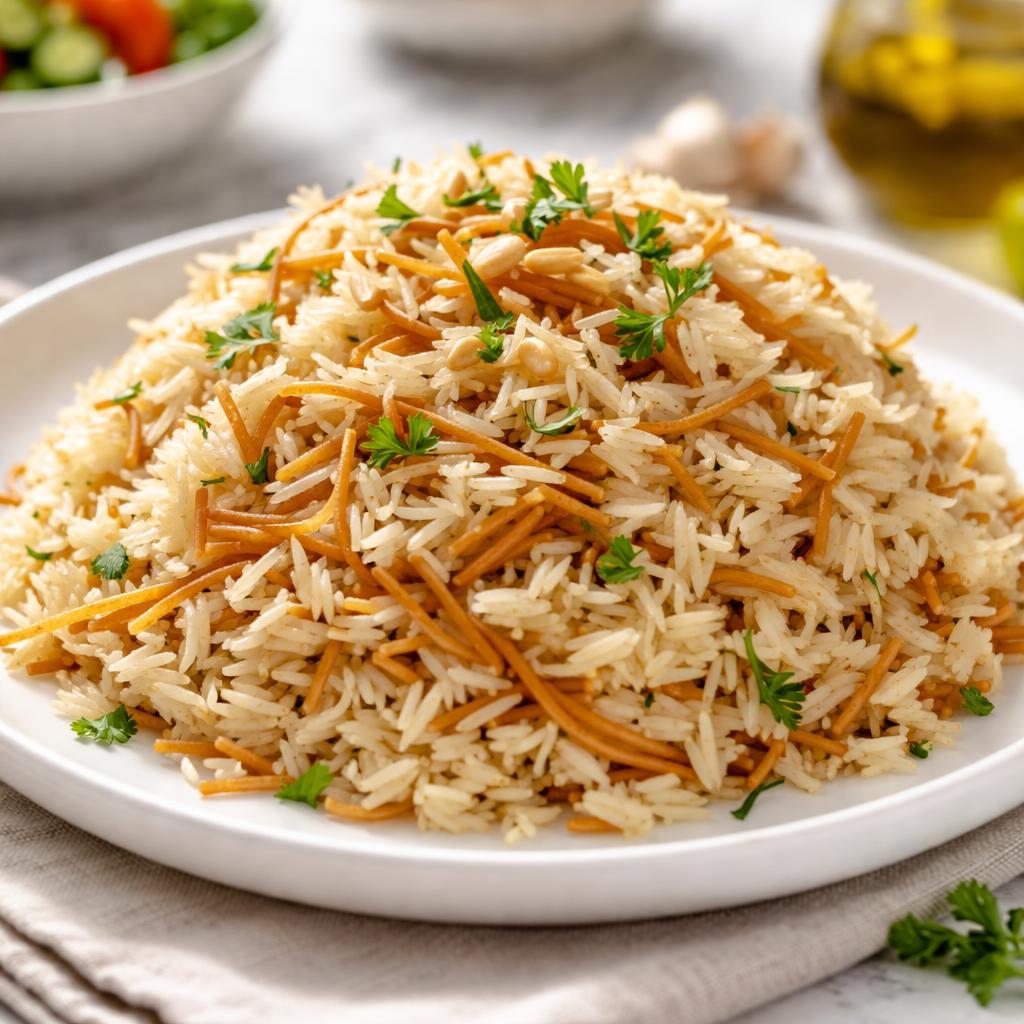
Rice With Vermicelli
🎯 Quick Verdict
Rice is a lower-calorie option that is simpler and great for basic nutritional needs, while rice with vermicelli adds protein and fiber but comes with additional calories and fat due to added ingredients. Rice with vermicelli is better for those craving a heartier, more nutrient-dense meal, while rice works well for lighter or carb-focused dishes.

Smart Nutrition Tracking with SnapCalorie

📊 Nutritional Comparison
Macronutrients
| Nutrient | Food 1 | Food 2 | Winner |
|---|---|---|---|
| Calories | 130 (per 100g cooked) | 200 (per 100g cooked) | ✓ |
| Protein | 2.7g | 4.5g | ✓ |
| Carbs | 28g | 22g | ✓ |
| Fat | 0.3g | 7g | ✓ |
| Fiber | 0.4g | 1.5g | ✓ |
Vitamins & Minerals
| Nutrient | Food 1 | Food 2 | Winner |
|---|---|---|---|
| Thiamin (B1) | 0.02mg | 0.04mg | ✓ |
| Niacin (B3) | 0.5mg | 0.8mg | ✓ |
| Iron | 0.2mg | 0.5mg | ✓ |
🏆 Category Winners
Protein
Rice with vermicelli has nearly double the protein due to added components.
Fiber
Rice with vermicelli contains more fiber, aiding digestion.
Calories
Rice has 35% fewer calories, making it lighter for weight-loss goals.
Vitamins
The addition of vermicelli brings more vitamins and minerals, such as thiamin and iron.
🥗 Diet Compatibility
Keto
Food 1: Not Compatible
Food 2: Not Compatible
Both foods are high-carb and not suitable for keto.
Vegan
Food 1: Compatible
Food 2: Compatible
Both are plant-based and do not contain animal products.
Gluten Free
Food 1: Compatible
Food 2: Not Compatible
Rice is gluten-free, but vermicelli (typically made with wheat) contains gluten.
Paleo
Food 1: Not Compatible
Food 2: Not Compatible
Rice and vermicelli are not allowed on a paleo diet.
Low-Carb
Food 1: Not Compatible
Food 2: Not Compatible
Both are higher in carbohydrates and not suitable for low-carb diets.
💪 Health Benefits Comparison
Food 1 Benefits
- Lower in calories, aiding weight management
- Simple carbs for quick energy boosts
- Naturally gluten-free and hypoallergenic
Food 2 Benefits
- Higher protein supports muscle maintenance
- Contains more fiber for better digestion
- Provides additional vitamins and minerals, including thiamin and iron
✅ The Bottom Line
Choose rice if you need a lower-calorie, gluten-free option for simple dishes or weight management. Opt for rice with vermicelli if you're looking for a heartier side dish with extra protein, fiber, and nutrient density. Specific dietary needs, such as gluten intolerance, may also guide your choice.
Choose Food 1 for: Weight loss, gluten-free diets, simple meals
Choose Food 2 for: Higher nutrient density, heartier meals, muscle support


