Rice VS Red Pepper
A detailed nutritional comparison
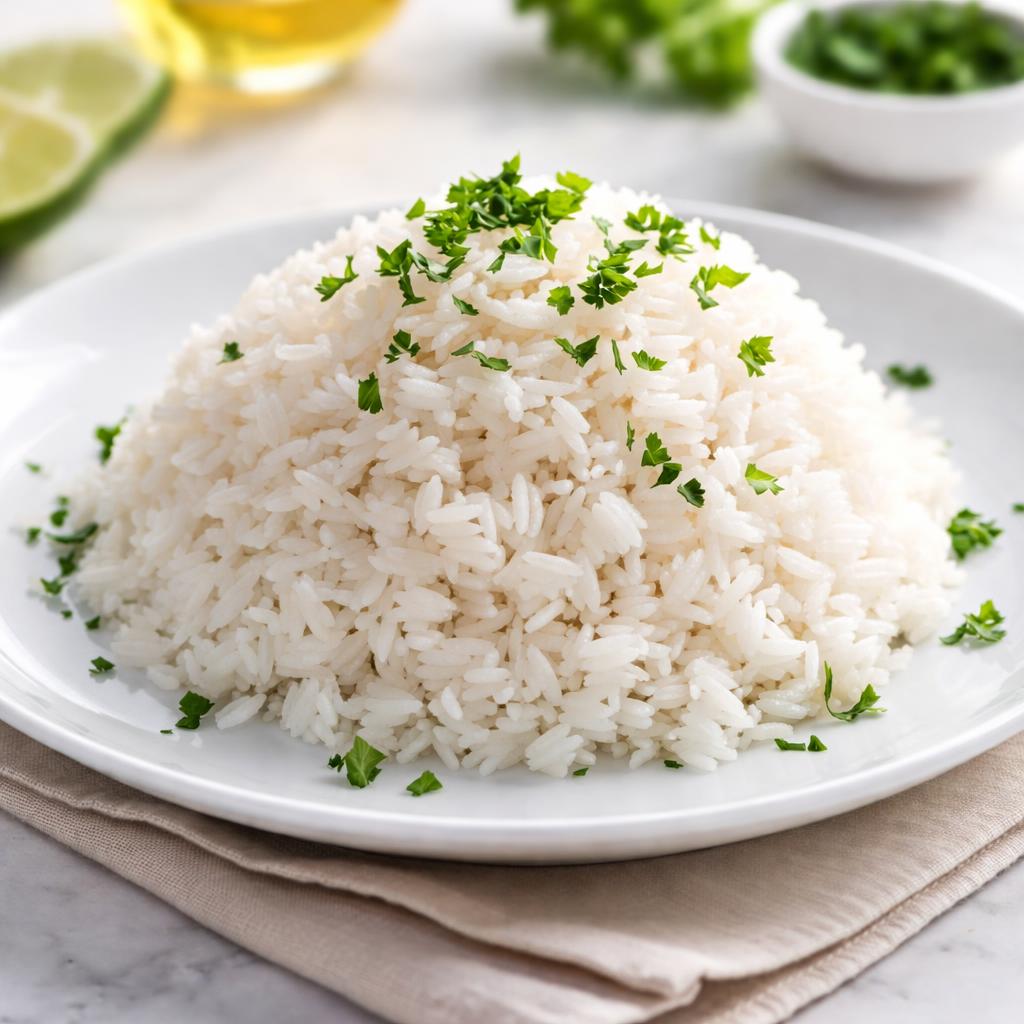
Rice
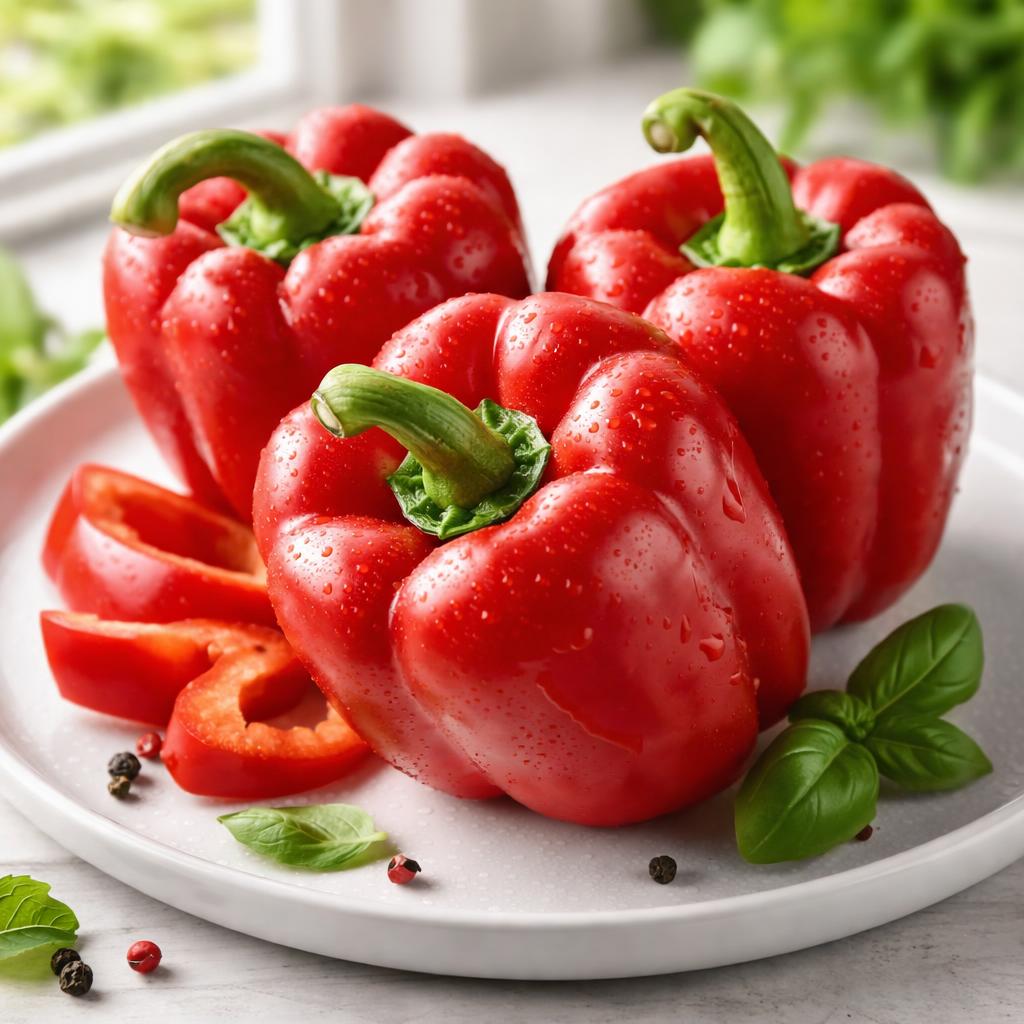
Red Pepper
🎯 Quick Verdict
Rice is higher in calories and protein but lower in fiber compared to red peppers. Red peppers, on the other hand, provide fewer calories and are a nutrient powerhouse, especially in vitamins like Vitamin C. Rice is ideal for energy and post-workout meals, while red peppers shine in nutrient density and weight-loss-friendly diets.

Smart Nutrition Tracking with SnapCalorie

📊 Nutritional Comparison
Macronutrients
| Nutrient | Food 1 | Food 2 | Winner |
|---|---|---|---|
| Calories | 130 kcal (1 cup cooked) | 40 kcal (1 cup chopped) | ✓ |
| Protein | 2.7g | 1g | ✓ |
| Carbs | 28g | 9g | ✓ |
| Fat | 0.3g | 0.4g | ✓ |
| Fiber | 0.6g | 3.1g | ✓ |
Vitamins & Minerals
| Nutrient | Food 1 | Food 2 | Winner |
|---|---|---|---|
| Vitamin C | 0mg | 120mg | ✓ |
| Vitamin A | 0 IU | 4,682 IU | ✓ |
| Vitamin B6 | 0.093mg | 0.264mg | ✓ |
🏆 Category Winners
Protein
Rice contains nearly three times more protein than red peppers.
Fiber
Red peppers are significantly higher in fiber, aiding digestion.
Calories
Red peppers have three times fewer calories than rice.
Vitamins
Red peppers are extremely high in Vitamin C, Vitamin A, and Vitamin B6.
🥗 Diet Compatibility
Keto
Food 1: Not Compatible
Food 2: Compatible
Rice is high-carb, while red peppers have low net carbs.
Vegan
Food 1: Compatible
Food 2: Compatible
Both are plant-based foods.
Gluten Free
Food 1: Compatible
Food 2: Compatible
Neither contains gluten.
Paleo
Food 1: Not Compatible
Food 2: Compatible
Rice is considered a processed grain and not paleo-friendly, while red peppers are natural and paleo-approved.
Low-Carb
Food 1: Not Compatible
Food 2: Compatible
Rice is high in carbohydrates, whereas red peppers are low-carb with only 9g per cup.
💪 Health Benefits Comparison
Food 1 Benefits
- Provides a quick source of energy due to high carbohydrate content
- Low in fat for calorie-conscious diets
- Contains small amounts of protein for post-workout recovery
Food 2 Benefits
- Extremely high in Vitamin C to boost immunity and skin health
- Rich in fiber for digestive health
- Low-calorie food that supports weight loss
- Contains antioxidants like beta-carotene for eye health
✅ The Bottom Line
Rice is better for athletes, energy-intensive activities, and as a carbohydrate base for meals. Red peppers are ideal for weight-loss diets, immune boosting, and overall nutrient density. Both are excellent when used for their respective advantages.
Choose Food 1 for: High-energy meals, carb replenishment, post-workout recovery
Choose Food 2 for: Weight loss, immune health, nutrient density


