Rice VS Ramen
A detailed nutritional comparison
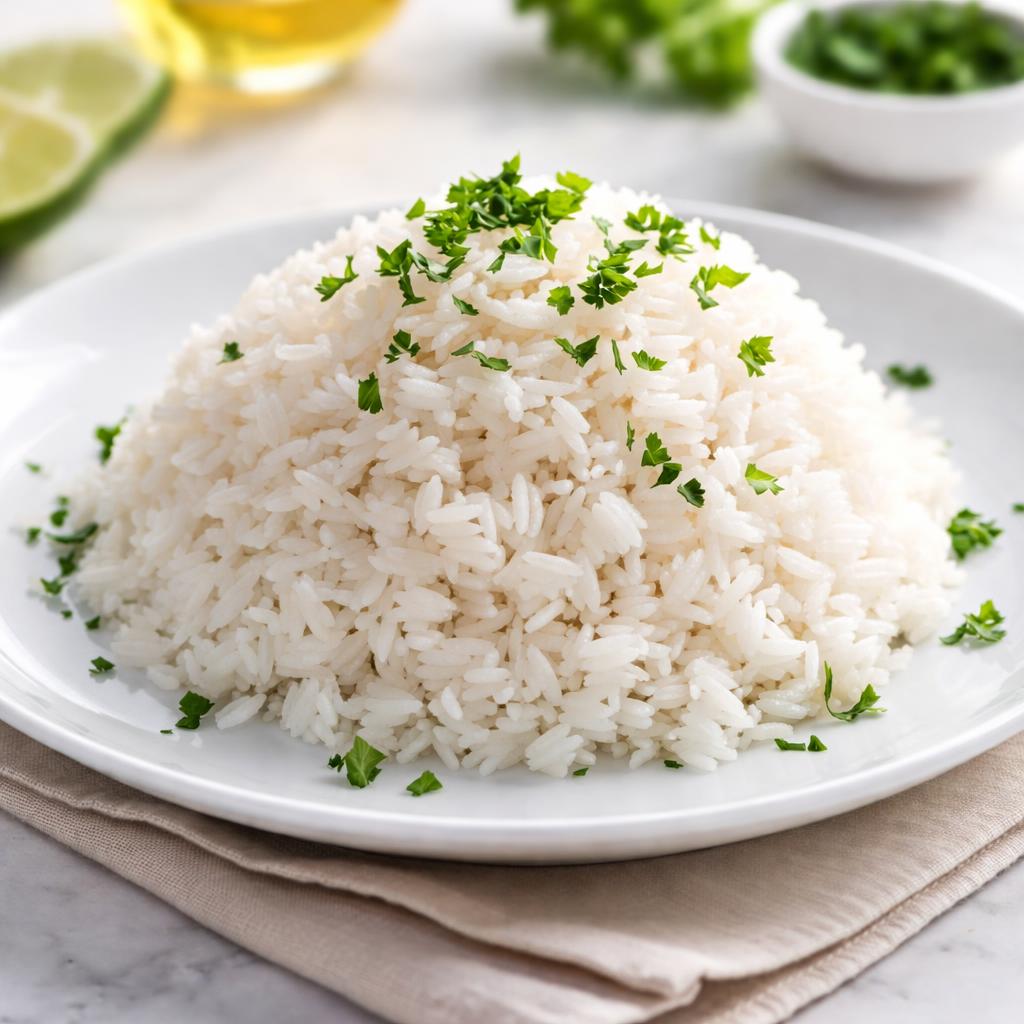
Rice
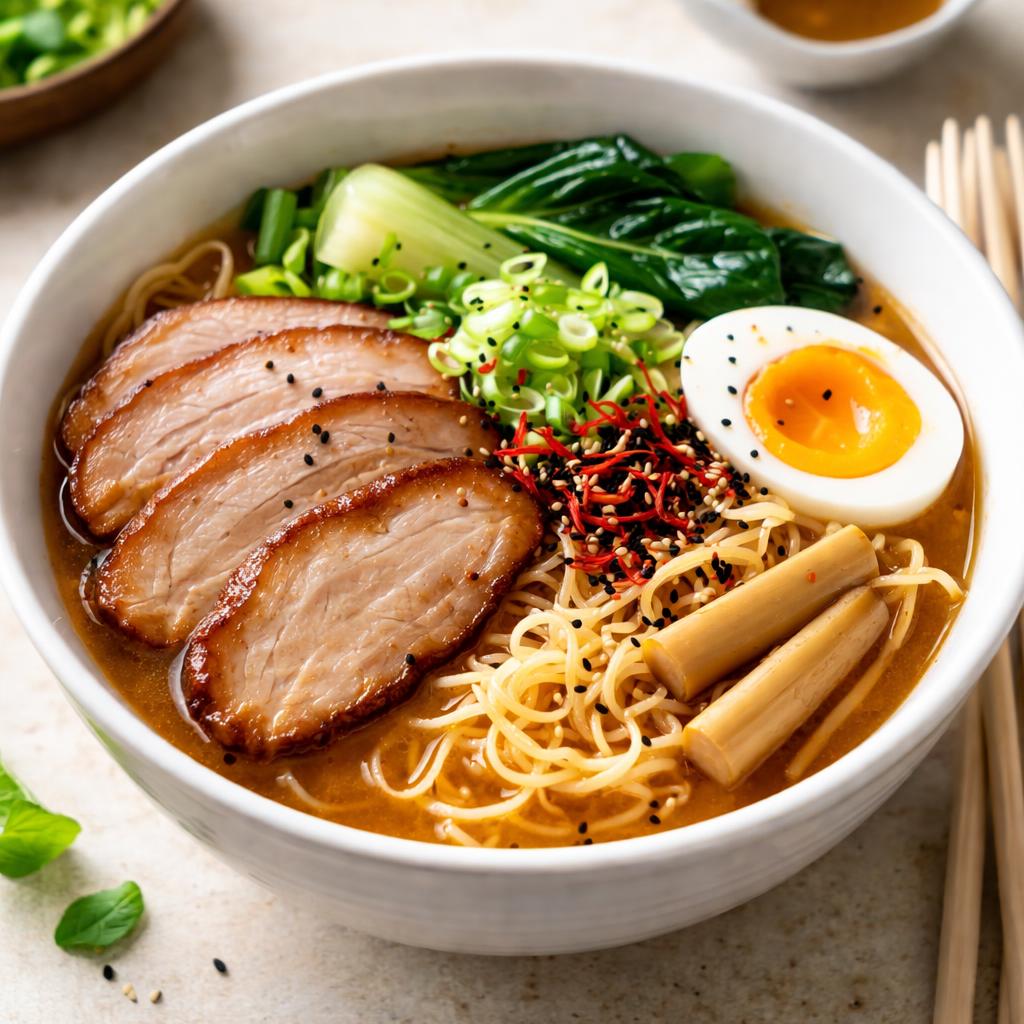
Ramen
🎯 Quick Verdict
Rice is a lower-calorie, gluten-free option with more fiber, making it a better base for weight management and digestion. Ramen, while relatively higher in protein, contains more calories, sodium, and unhealthy fats, making it less ideal for balanced daily intake. Rice is versatile for clean eating, while ramen offers flavor-packed convenience for occasional indulgence.

Smart Nutrition Tracking with SnapCalorie

📊 Nutritional Comparison
Macronutrients
| Nutrient | Food 1 | Food 2 | Winner |
|---|---|---|---|
| Calories | 130 | 370 | ✓ |
| Protein | 2.5g | 10g | ✓ |
| Carbs | 28g | 52g | ✓ |
| Fat | 0.3g | 14g | ✓ |
| Fiber | 0.6g | 0.4g | ✓ |
Vitamins & Minerals
| Nutrient | Food 1 | Food 2 | Winner |
|---|---|---|---|
| Vitamin D | 0mcg | 0mcg | − |
| Calcium | 10mg | 20mg | ✓ |
| Iron | 0.1mg | 1.6mg | ✓ |
🏆 Category Winners
Protein
Ramen contains 4x more protein than rice per serving.
Fiber
Rice offers 50% more fiber compared to ramen.
Calories
Rice is nearly 65% lower in calories per serving than ramen.
Vitamins
Ramen contains more calcium and iron, but lacks Vitamin D.
🥗 Diet Compatibility
Keto
Food 1: Not Compatible
Food 2: Not Compatible
Both foods are high in carbs.
Vegan
Food 1: Compatible
Food 2: Typically Compatible
Both foods can be plant-based, though some ramen contains animal-derived ingredients.
Gluten Free
Food 1: Compatible
Food 2: Not Compatible
Rice is naturally gluten-free, but ramen contains wheat.
Paleo
Food 1: Not Compatible
Food 2: Not Compatible
Neither food fits paleo guidelines due to processed carbs.
Low-Carb
Food 1: Not Compatible
Food 2: Not Compatible
Both foods exceed typical low-carb limits (goal is ~10-15g carbs per serving).
💪 Health Benefits Comparison
Food 1 Benefits
- Low in calories, aiding weight management
- Gluten-free, suitable for those with celiac disease or gluten sensitivity
- Easily digestible and gentle on the stomach
Food 2 Benefits
- Higher protein content for muscle maintenance if paired with exercise
- Provides quick energy due to high carbohydrate content
- Contains iron, helpful for preventing anemia
✅ The Bottom Line
Choose rice for a light, versatile, and gluten-free carbohydrate option that supports digestion and weight loss. Opt for ramen when you need a quick, high-protein meal with added iron, but be mindful of its high calorie and sodium content.
Choose Food 1 for: Weight management, gluten-free diets, clean eating
Choose Food 2 for: Quick meals, moderate protein needs, occasional indulgence


