Rice VS Queso
A detailed nutritional comparison
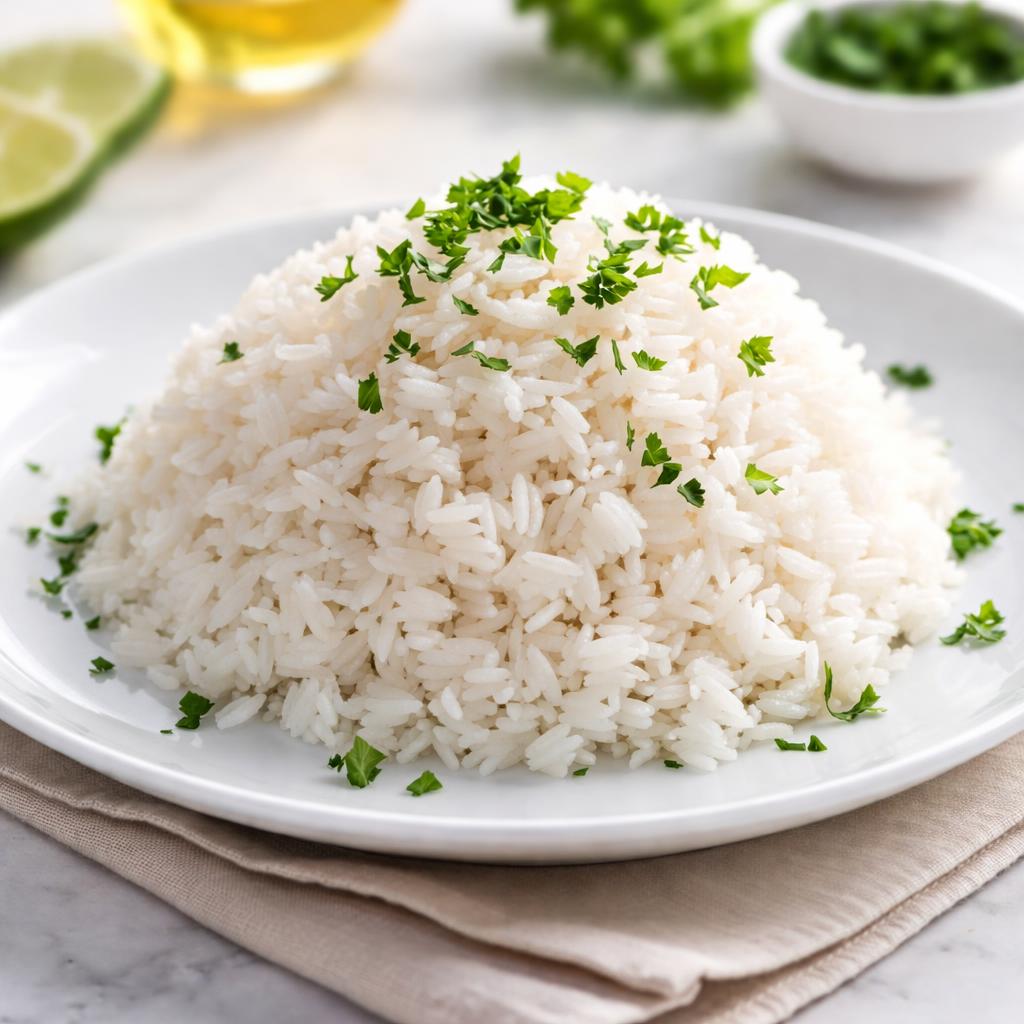
Rice
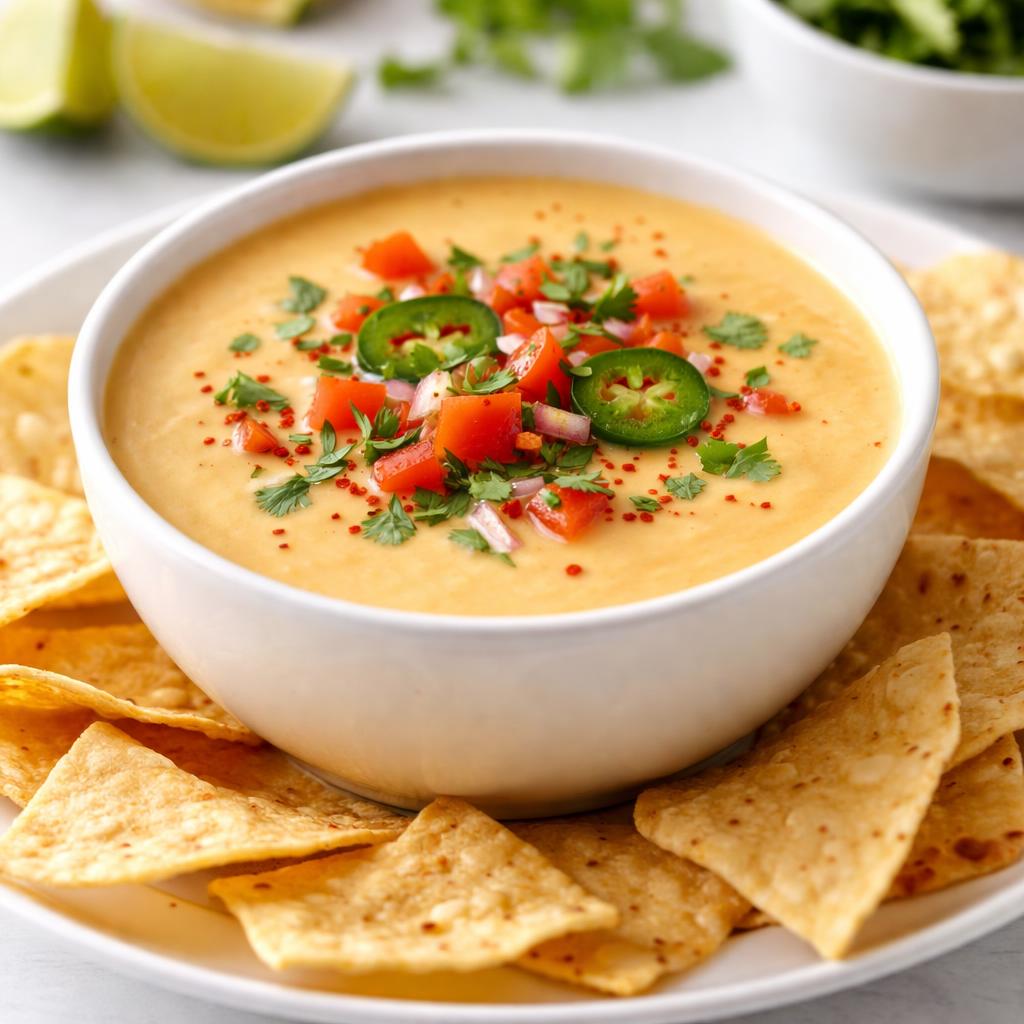
Queso
🎯 Quick Verdict
Rice (Food 1) is lower in calories and a better source of fiber, while queso (Food 2) is significantly higher in protein due to its dairy content. Rice is carbohydrate-heavy and suitable for energy needs, while queso is nutrient-dense with fats and proteins, making it ideal for keto or low-carb diets. Both have distinct roles depending on dietary goals.

Smart Nutrition Tracking with SnapCalorie

📊 Nutritional Comparison
Macronutrients
| Nutrient | Food 1 | Food 2 | Winner |
|---|---|---|---|
| Calories | 206 per cup (cooked) | 100 per ounce | ✓ |
| Protein | 4g per cup | 7g per ounce | ✓ |
| Carbs | 45g per cup | 1g per ounce | ✓ |
| Fat | 0.4g per cup | 8g per ounce | ✓ |
| Fiber | 0.6g per cup | 0g per ounce | ✓ |
Vitamins & Minerals
| Nutrient | Food 1 | Food 2 | Winner |
|---|---|---|---|
| Vitamin D | 0mcg | 0.2mcg per ounce | ✓ |
| Calcium | 2mg per cup | 200mg per ounce | ✓ |
| Iron | 0.28mg per cup | 0mg per ounce | ✓ |
🏆 Category Winners
Protein
Queso contains nearly double the amount of protein per serving compared to rice.
Fiber
Rice offers some fiber, whereas queso contains none.
Calories
Rice is lower in calories per serving compared to queso.
🥗 Diet Compatibility
Keto
Food 1: Not Compatible
Food 2: Compatible
Queso is low-carb while rice is high-carb.
Vegan
Food 1: Compatible
Food 2: Not Compatible
Rice is plant-based, while queso is a dairy product.
Gluten Free
Food 1: Compatible
Food 2: Compatible
Both rice and queso are naturally gluten-free.
Paleo
Food 1: Compatible
Food 2: Not Compatible
Rice is acceptable in some paleo diets, but queso is processed dairy.
Low-Carb
Food 1: Not Compatible
Food 2: Compatible
Queso contains very few carbs compared to rice.
💪 Health Benefits Comparison
Food 1 Benefits
- Provides sustained energy from complex carbohydrates
- Low-fat option for weight maintenance or loss
- Naturally gluten-free and suitable for sensitive diets
Food 2 Benefits
- Good source of high-quality protein for muscle repair
- Rich in calcium for bone health
- Low in carbohydrates, suitable for keto and low-carb diets
✅ The Bottom Line
Rice is best suited for individuals needing a carbohydrate-dense food, such as athletes or those needing sustained energy. On the other hand, queso is ideal for low-carb or keto dieters seeking protein and fats. Choose rice for energy-heavy meals and queso for nutrient density or as a flavorful addition.
Choose Food 1 for: Energy-demanding activities, vegan diets, gluten-free meals
Choose Food 2 for: Keto/low-carb diets, protein-rich meals, nutrient-dense snacks


