Rice VS Pickle
A detailed nutritional comparison
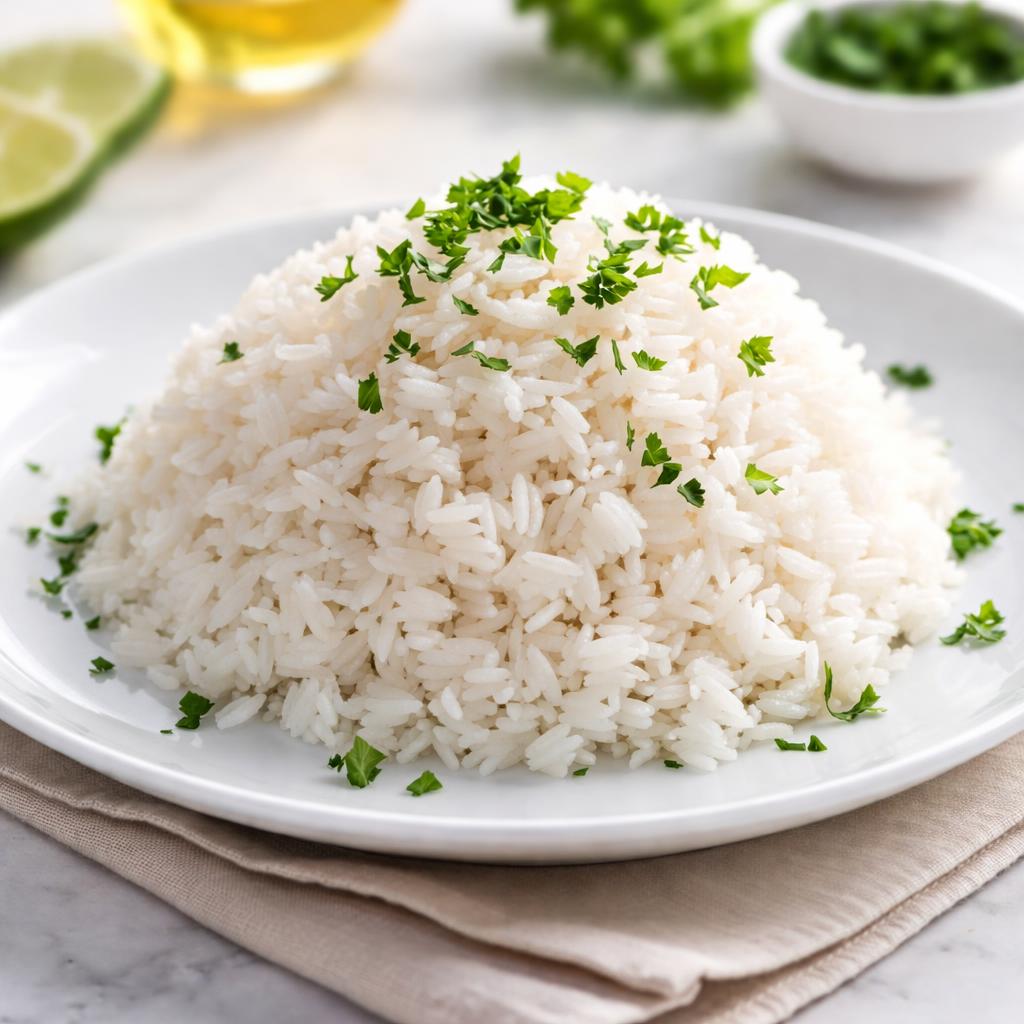
Rice
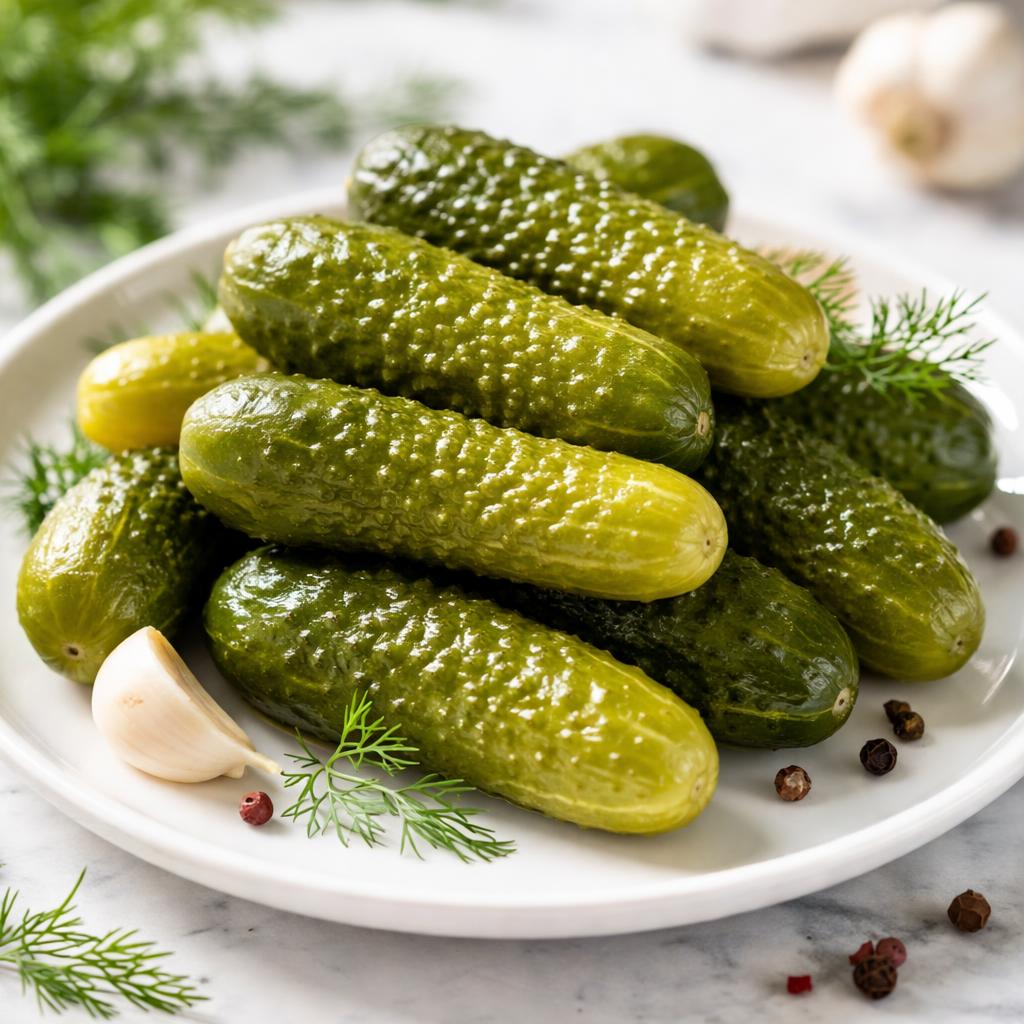
Pickle
🎯 Quick Verdict
Rice and pickles serve very different dietary roles. Rice is a calorie-dense carbohydrate source, ideal for energy, while pickles are low-calorie, high in sodium, and provide probiotic benefits. Rice is better for fueling active lifestyles and adding bulk to meals, whereas pickles complement dishes with flavor and texture while aiding digestion.

Smart Nutrition Tracking with SnapCalorie

📊 Nutritional Comparison
Macronutrients
| Nutrient | Food 1 | Food 2 | Winner |
|---|---|---|---|
| Calories | 200 | 15 | ✓ |
| Protein | 4g | 0.5g | ✓ |
| Carbs | 45g | 2.5g | ✓ |
| Fat | 0.4g | 0.1g | − |
| Fiber | 0.6g | 1.2g | ✓ |
Vitamins & Minerals
| Nutrient | Food 1 | Food 2 | Winner |
|---|---|---|---|
| Vitamin D | 0mcg | 0mcg | − |
| Calcium | 10mg | 20mg | ✓ |
| Iron | 0.2mg | 0.3mg | ✓ |
| Sodium | 0mg | 300mg | ✓ |
🏆 Category Winners
Protein
Rice has notably more protein than pickles.
Fiber
Pickles offer double the fiber content compared to rice.
Calories
Pickles have substantially fewer calories than rice.
Vitamins
Pickles provide more calcium, iron, and sodium compared to rice.
🥗 Diet Compatibility
Keto
Food 1: Not Compatible
Food 2: Compatible
Pickles are low-carb but rice is high in carbohydrates and not suitable for keto diets.
Vegan
Food 1: Compatible
Food 2: Compatible
Both rice and pickles are plant-based and naturally vegan.
Gluten Free
Food 1: Compatible
Food 2: Compatible
Neither rice nor pickles contain gluten.
Paleo
Food 1: Compatible
Food 2: Compatible
Both foods are permitted on paleo diets.
Low Carb
Food 1: Not Compatible
Food 2: Compatible
Rice contains high levels of carbohydrates while pickles are low-carb.
💪 Health Benefits Comparison
Food 1 Benefits
- Rich in carbohydrates for energy
- Low in fat for balanced diets
- Source of small amounts of iron to support oxygen transport
Food 2 Benefits
- Low in calories for weight management
- Contains probiotics to support gut health
- Rich in sodium and electrolytes to maintain hydration balance
✅ The Bottom Line
Choose rice for energy-dense meals, such as post-workout recovery or adding calories to support active lifestyles. Pickles are a better choice for low-calorie, gut-health-focused diets, or as a flavorful condiment that supports digestion.
Choose Food 1 for: Quick energy, carbohydrate needs, active lifestyles
Choose Food 2 for: Weight management, digestive health, low-carb diets


