Rice VS Milk 2%
A detailed nutritional comparison
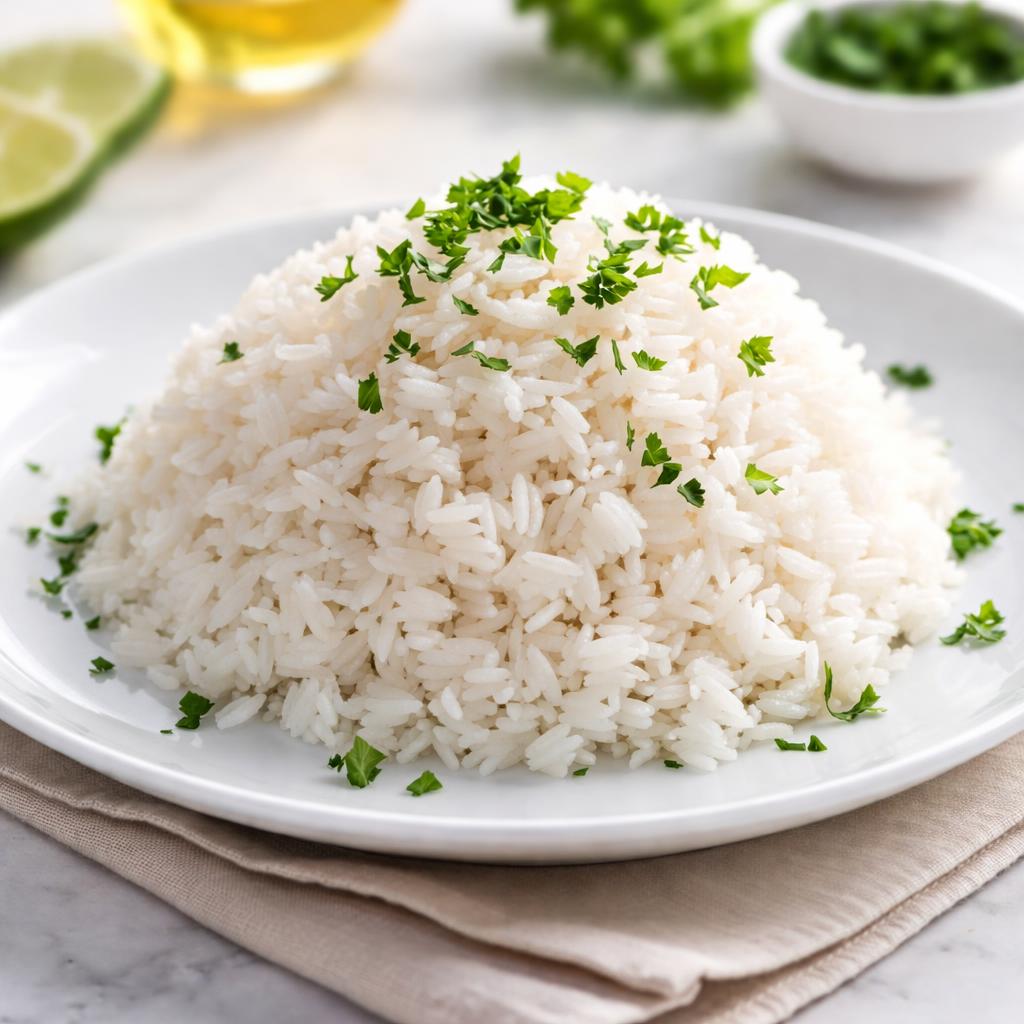
Rice

Milk 2%
🎯 Quick Verdict
Rice and 2% milk serve very different dietary purposes. Rice is a high-carb food with decent fiber and minimal protein, while 2% milk provides more protein, healthy fats, and essential vitamins like calcium and vitamin D. Rice works well as an energy source for active individuals, while milk's nutrient density makes it ideal for bone health and muscle maintenance.

Smart Nutrition Tracking with SnapCalorie

📊 Nutritional Comparison
Macronutrients
| Nutrient | Food 1 | Food 2 | Winner |
|---|---|---|---|
| Calories | 204 (1 cup cooked) | 122 (1 cup) | ✓ |
| Protein | 4.2g | 8g | ✓ |
| Carbs | 44.5g | 12g | ✓ |
| Fat | 0.4g | 5g | ✓ |
| Fiber | 0.6g | 0g | ✓ |
Vitamins & Minerals
| Nutrient | Food 1 | Food 2 | Winner |
|---|---|---|---|
| Vitamin D | 0mcg | 2.9mcg | ✓ |
| Calcium | 13mg | 307mg | ✓ |
| Iron | 0.32mg | 0.1mg | ✓ |
🏆 Category Winners
Protein
Milk provides double the protein compared to rice per serving.
Fiber
Rice offers 0.6g of fiber per serving, while milk has none.
Calories
Milk has nearly 40% fewer calories compared to rice.
Vitamins
Milk is rich in vitamin D and calcium, critical for bone health.
🥗 Diet Compatibility
Keto
Food 1: Not Compatible
Food 2: Compatible
Rice is high in carbs, while milk is relatively low-carb within limits.
Vegan
Food 1: Compatible
Food 2: Not Compatible
Milk is animal-derived, rice is plant-based.
Gluten Free
Food 1: Compatible
Food 2: Compatible
Neither food contains gluten.
Paleo
Food 1: Not Compatible
Food 2: Not Compatible
Rice is a grain, and milk is not allowed on strict paleo diets.
Low Carb
Food 1: Not Compatible
Food 2: Compatible
Rice is high in carbohydrates, whereas milk is relatively low-carb.
💪 Health Benefits Comparison
Food 1 Benefits
- Good source of energy for active lifestyles
- Gluten-free alternative for carbohydrate needs
- Provides small amounts of essential minerals like iron
Food 2 Benefits
- Rich in calcium and vitamin D for bone strength
- Contains high-quality protein for muscle building
- Includes healthy fats to aid hormonal health
✅ The Bottom Line
Choose rice for sustained energy during high activity or as part of a vegan/gluten-free diet, but opt for milk if you're looking to boost protein, bone health, or nutrient density with fewer carbs. Both foods have distinct purposes depending on individual goals.
Choose Food 1 for: Energy boost, vegan diets, gluten-free carb source
Choose Food 2 for: Bone health, muscle recovery, keto or low-carb diets


